
Mythologist | Author | Speaker | Illustrator

-
Articles

What Is India’s Original Name?
India has numerous names, but lacks a single, definitive origin story. This is unsettling for modern nationalism, which favours a clear and singular genesis. The truth, however, is more nuanced and compelling. …
-
Articles

How Shankara Became a Mythic Hero
The Shankara legend is less about history and more about imagination – how India turned a philosopher into a divine hero, a world conqueror, and a unifier of its sacred geography…
-
Articles
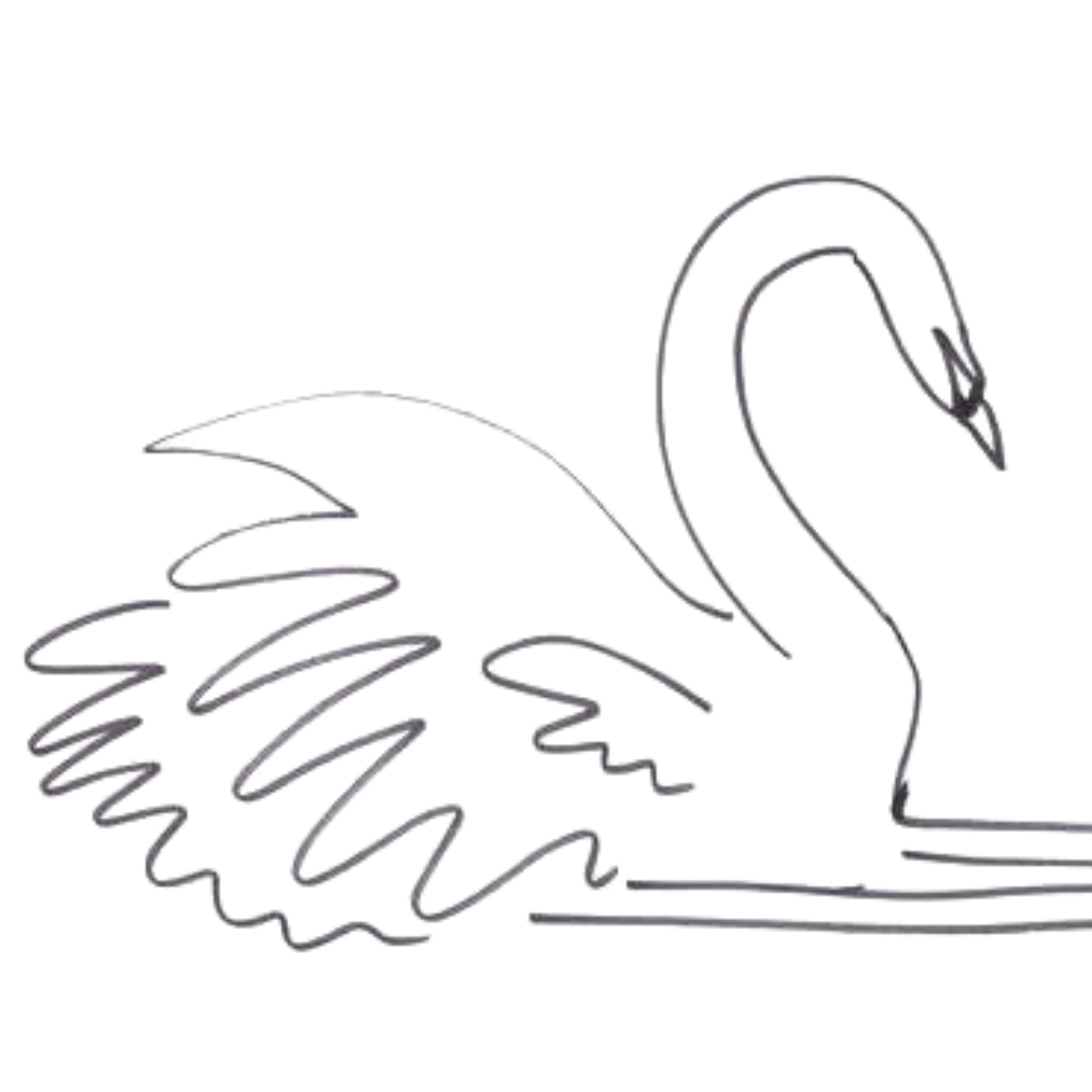
Is the Hamsa an Indian Goose or a European Swan?
The bar-headed goose (hansa) is a key cultural symbol of India, along with other waterfowl such as the sarus crane (krauncha), ruddy shelduck (chakravaka) and crane (baga, bagula). This list excludes the swan (raj-hansa), which is European, not Indian. But somewhere in the last two centuries, the Indian goose was eclipsed…
-
Articles

China’s Eternal Loop
Just as India is torn between the academician’s truth and the politician’s truth, so is China. But relative to India’s history which is strongly based on diversity, Chinese history is a product of unification…
-
Articles
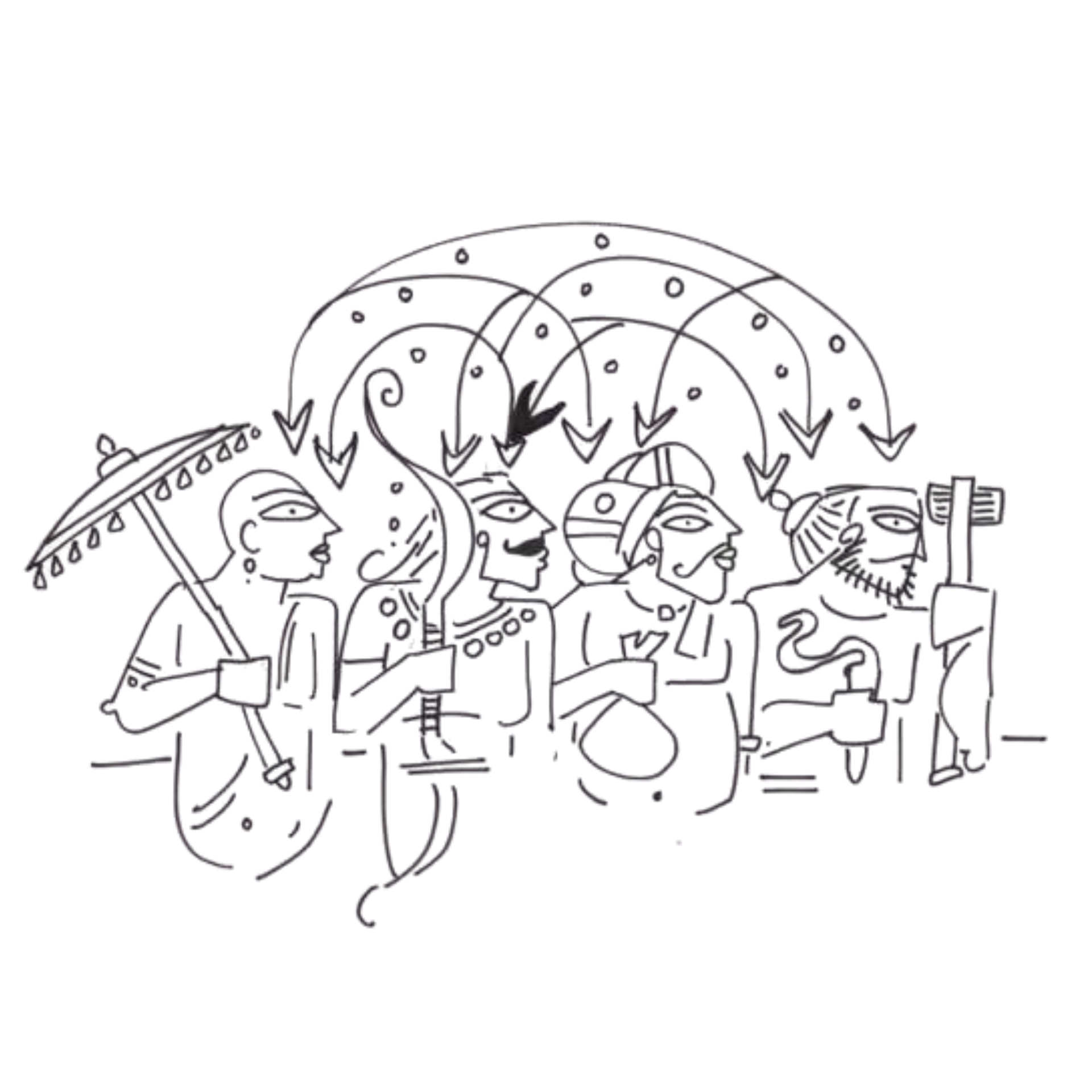
Was Macaulay Anti-India Or Anti-Brahmin?
The debate around Macaulay, English, and education is not just about colonialism. It is about whether India wants a future shaped by open inquiry or a past shaped by inherited authority…
-
Articles

History In the Age of Historical Fiction
A true historian has no heroes. He tells us that Mahmud of Ghazni and Rajendra Chola were both ambitious kings, raiders, rulers, and products of their time. That is not judgment, but a reminder that humans everywhere act out of similar motives: power, faith, greed, or glory. But historical fiction has its place, too. It…
-
Articles

A Fantasy Called Chanakya
There is absolutely no historical evidence that a man called Chanakya ever lived during Mauryan times (300 BC) or that he guided Chandragupta Maurya to kingship. …
-
Articles

How Afghan and Turkic Invaders Transformed Indian Warfare
We know that from the 10th century, horse‑breeding groups from Afghanistan and Central Asia invaded …
-
Articles

Shaped by Myth, Shaped by History
Indian history shapes Hindu myth and Hindu myth shapes Indian history…
-
Articles
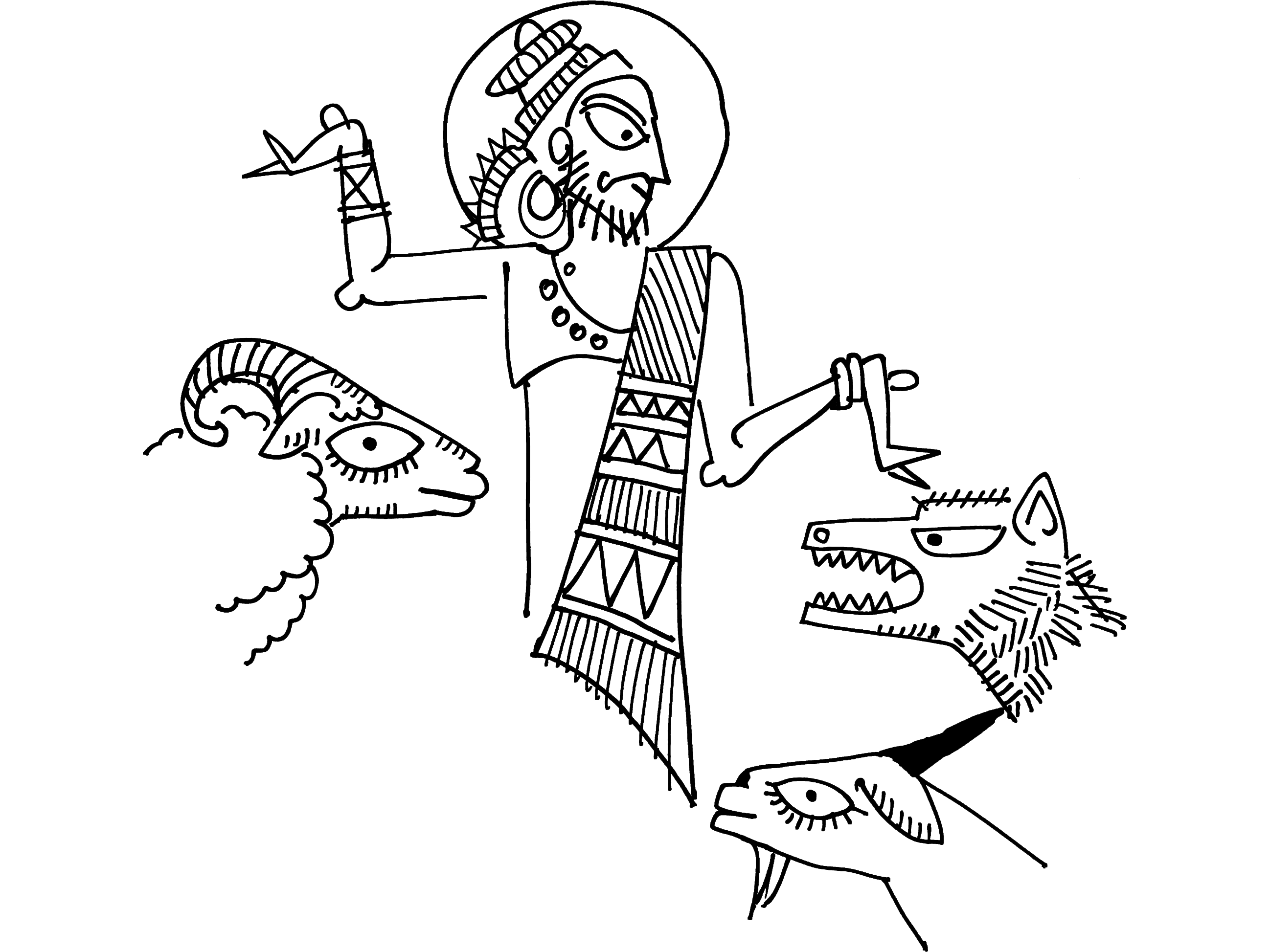
Why historians misunderstand myths — and why it matters
Most historians do not understand myths. They confuse it with fiction. Myths need to be distinguished from other kind of stories that shapes human culture…
-
Articles

Myth-making in History Departments
Historians who refer to myth as ‘fiction’ do a great disservice to humanity. It reveals their inability to separate faith from different types of fiction: parables, propaganda, and fantasy. …
-
Articles

Ashoka’s Afterlife
Historians amplify the rational and secular aspects of Ashoka’s inscriptions, and play down the mythical elements, use of words like paraloka and swarga. These would indicate Ashoka’s need to perform ritual acts to ensure a positive fate in the afterlife…
-
Articles
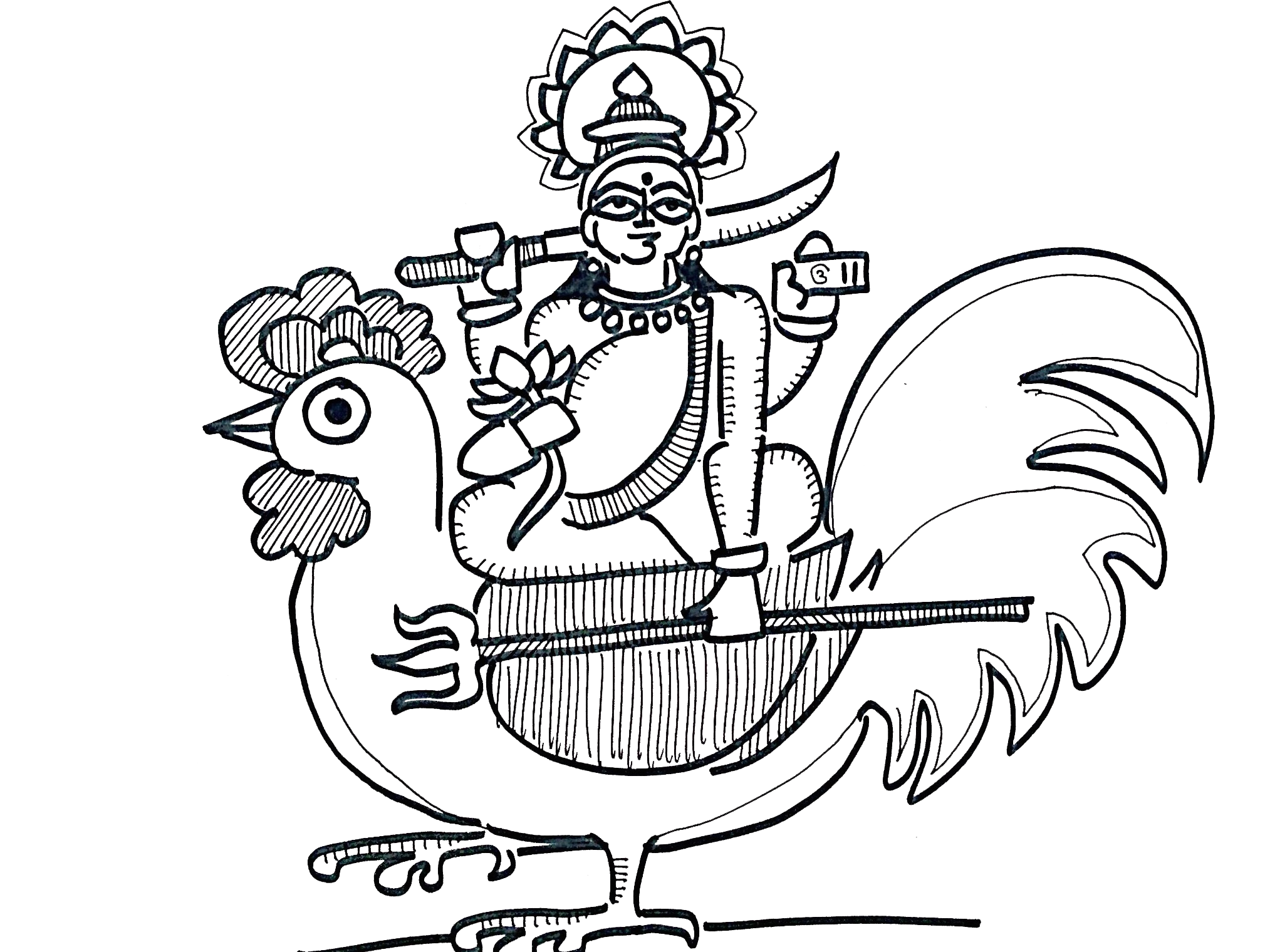
The Sindoor Goddesses of India
The oldest image of Durga, dated to the 1st century BC, was found in Nagar near Chittorgarh, Rajasthan. It shows the goddess with two hands, plucking out the tongue of a buffalo. …
-
Articles
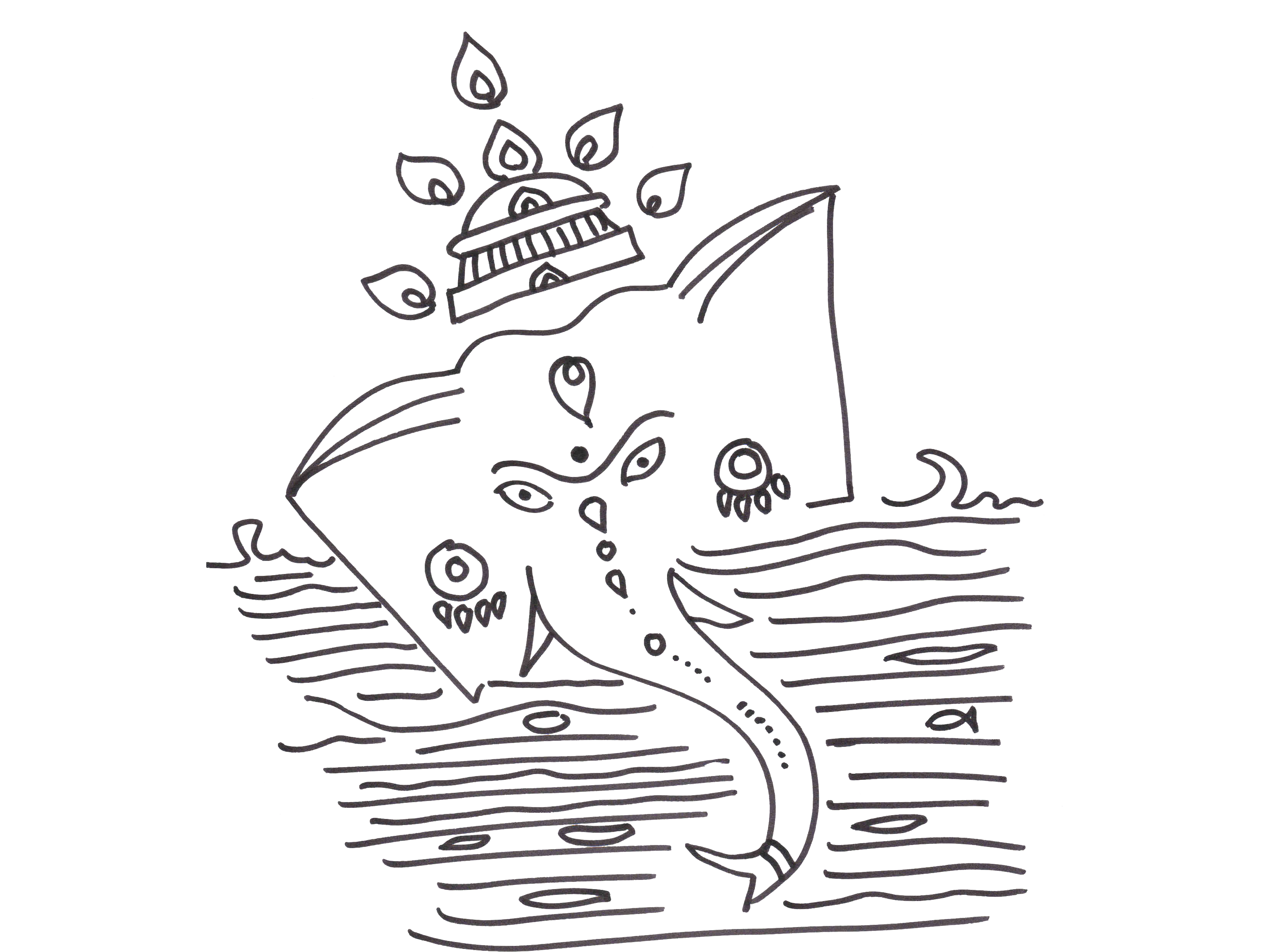
Elephants As Symbols Of Wealth and Power In Indian Culture
We cannot imagine India without elephants. Elephants have been a powerful symbol of wealth and power since ancient times. …
-
Articles
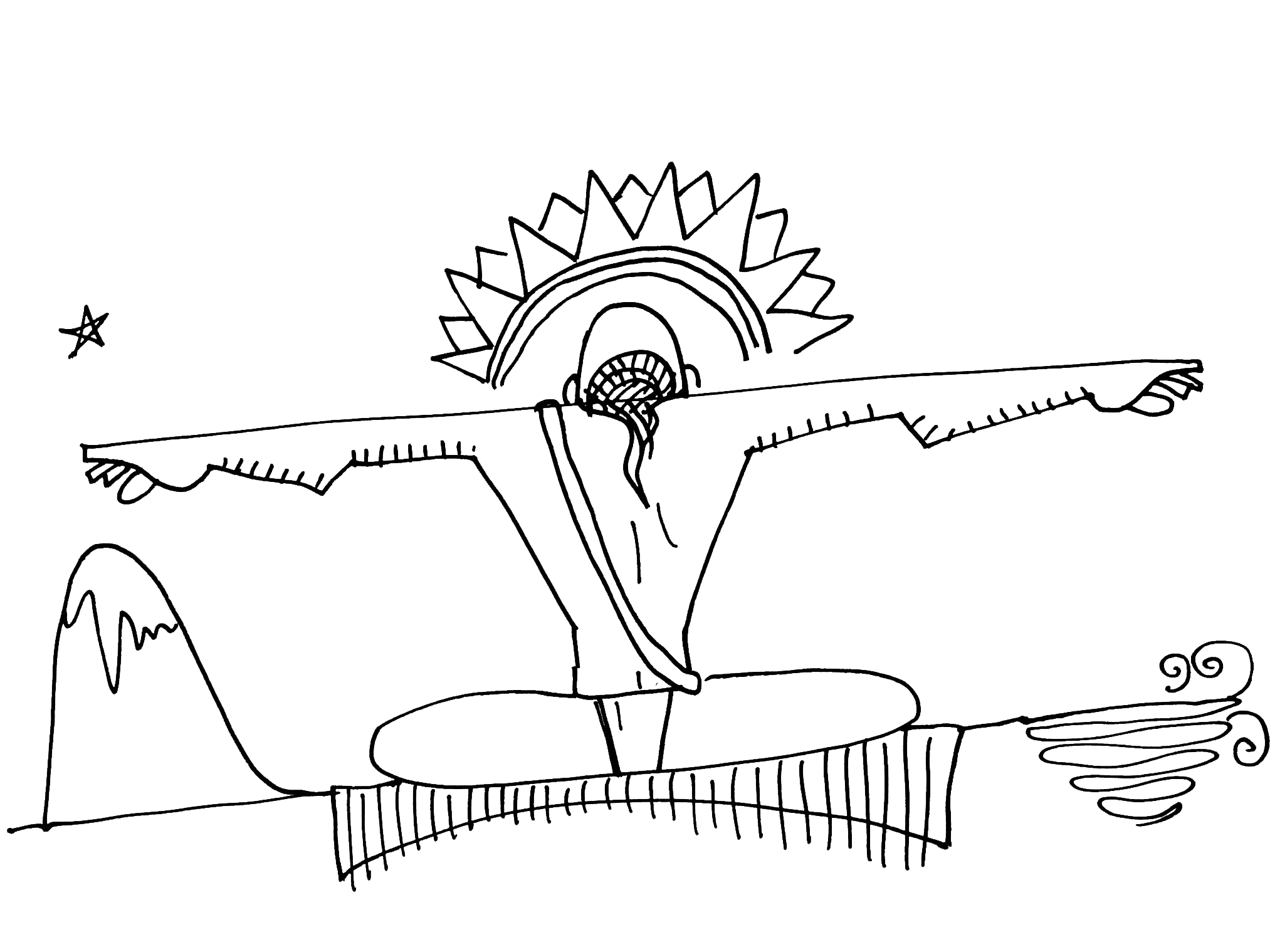
Naming the Land Beyond Indus
The word India originates from Sindhu, meaning river. In Persian regions, Sindhu was pronounced as Hindu, while the Greeks referred to it as Indu. …
-
Articles
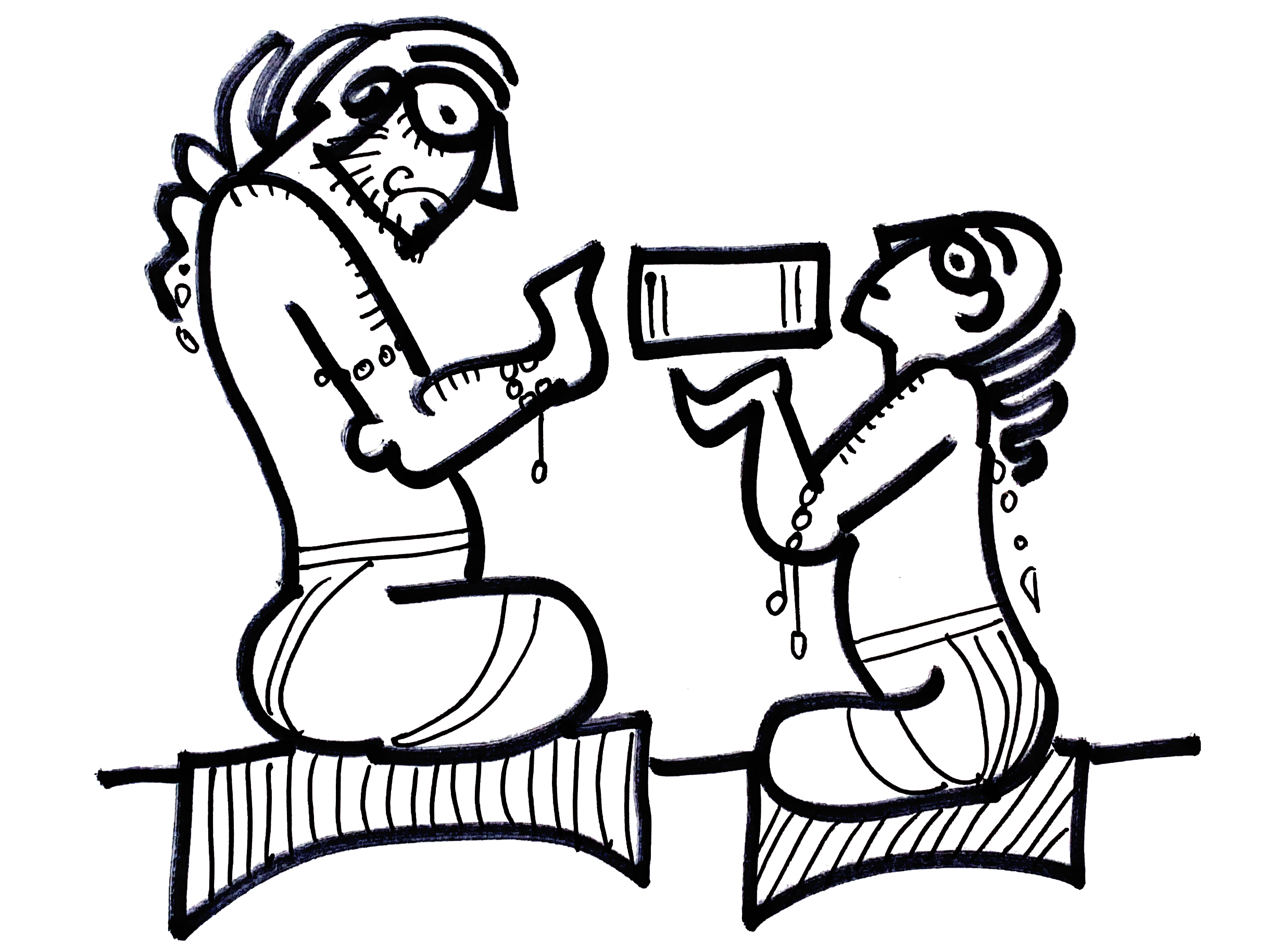
The Evolution of Mythology and History
If history is the objective study of the past, does that mean myths have no value? Can ancient traditions, which shaped the identities of civilisations for centuries, simply be dismissed as fiction?…