Sindoor in India is linked to auspiciousness, femininity, fertility, and most surprisingly, ancient trade routes frequented by nomadic pastoralists. Worn by married women of India, the earliest reference to the use of sindoor comes from the Harappan civilisation, where clay figurines have been shown with sindoor in the parting of the hair. These gurines have been found in the Baluchistan region.
Where is this sindoor coming from? In all probability from Darestan in Iran. It is known that during the Bronze Age, 2000 BC, there were wide trading networks. The Harappans procured lapis lazuli, a blue stone, from Afghanistan. So, obtaining cinnabar-mercury sulphide, which is sindoor -from Darestan in Iran is not implausible.
Locally, along the Makran coast, sindoor is known as Hingula and was offered to Hinglaj Mata, whose oldest shrine is located in Balochistan. Even today, people travel from India to Balochistan in Pakistan to make offerings to this goddess. This site is considered a Shakti Peeth, associated with the head of the goddess, which was always covered with vermilion, or red powder.
Shrines dedicated to such sindoor-smeared goddesses are found in Balochistan, Gujarat, Kutch, Sindh, along the Makran coast, and along the Aravalli mountains -even extending along trade routes into Madhya Pradesh and as far south as Odisha (Talcher), where red sindoor is found in the form of iron oxides. These are major Tantric locations, a network of occult sites visited by ancient shamans and pilgrims.
The goddesses have a deep connection with women of the Charan community. The Charans are a unique community: poets who narrated ballads, warriors who fought alongside Rajputs, and pastoralists closely associated with animal husbandry-particularly the breeding of buffaloes, sheep, goats, camels and horses.
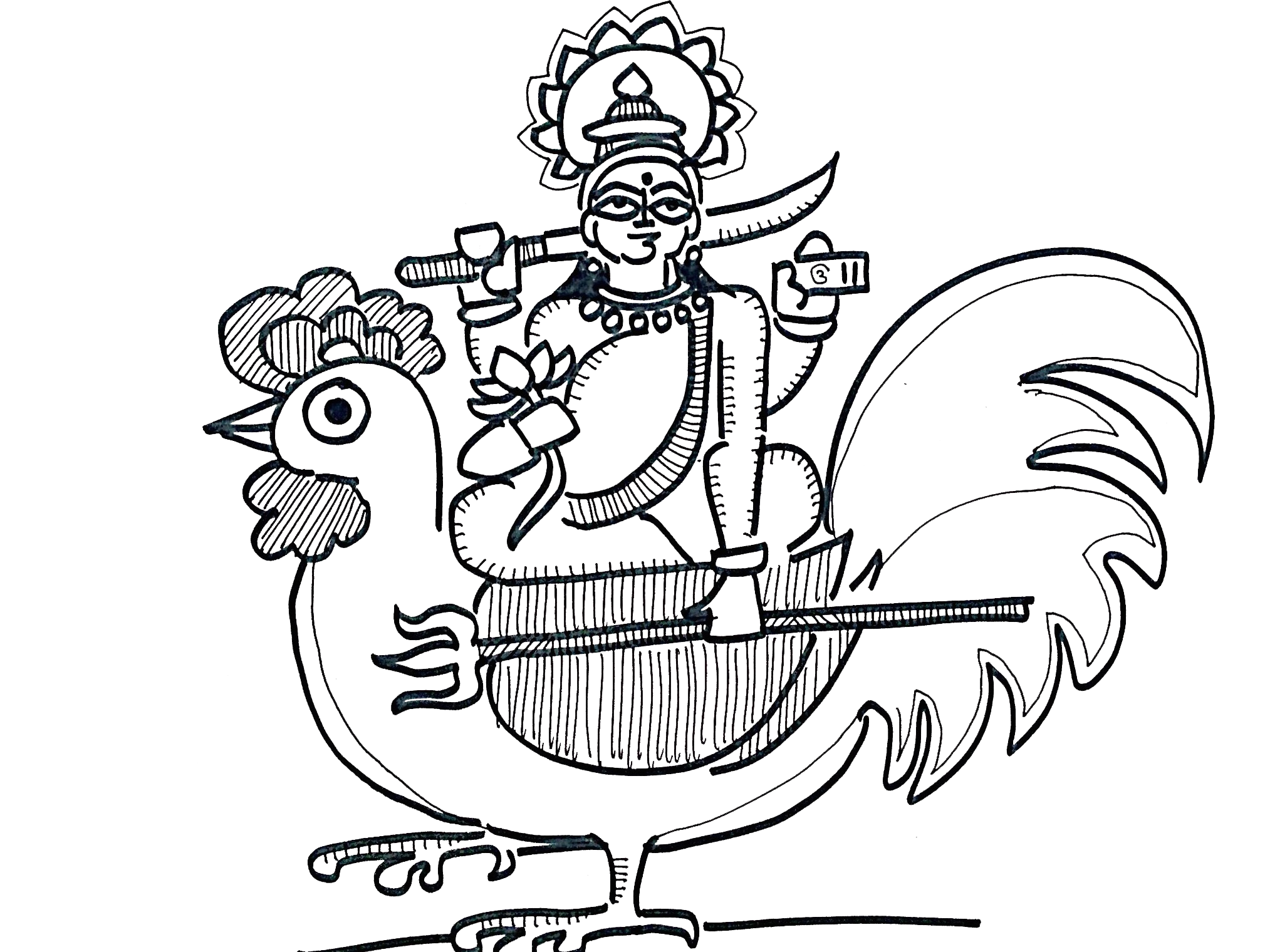
They narrated stories of Pabuji, the one who brought camels to India, and of Dev Narayanji linked to horse breeding in the Aravalli region. In these tales, the hero’s mare is always gifted by a Charan woman or Charani-believed to be a living embodiment of the goddess, spiritually connected to sindoor-smeared goddesses. These were not symbolic abstractions but real women reputed to possess miraculous, magical powers -channels through whom the goddess spoke.
These women are said to have aided Rajput kings, directed kings to dig step wells during droughts, fed armies using only a single piece of bread and a pot of buttermilk, and cheered them into battlefields to protect the herds. There are numerous stories of Charani women with miraculous powers.
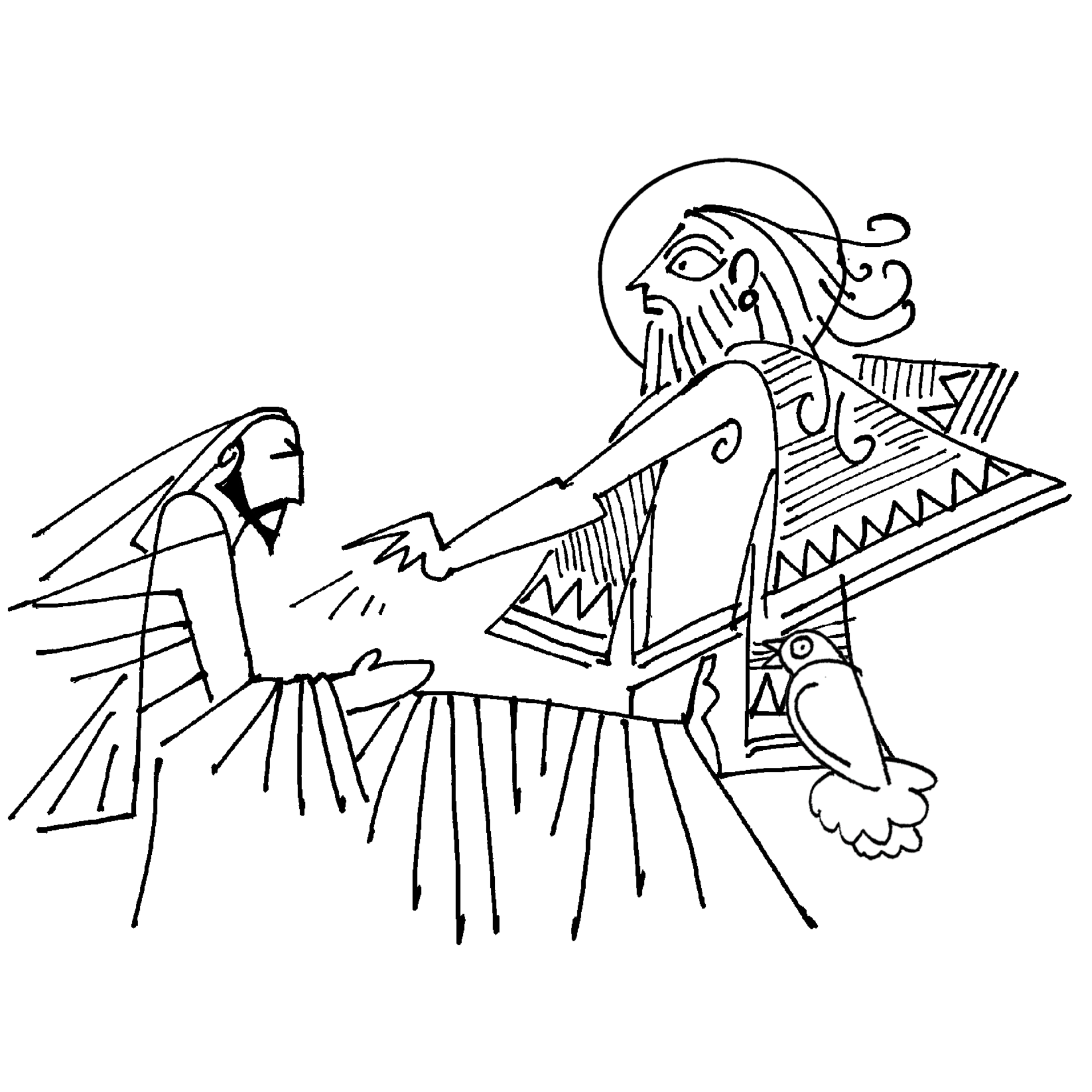
Some kings attempted to molest them, only to be met with curses and divine retribution, attacked by swarms of bees and snakes dropping from their umbrellas. In some tales, there is not a single Charan human-goddess but seven sisters, accompanied by a brother or uncle known as Bhairo. This motif of seven sisters and one brother can even be traced back to Harappan seals.
The Charanis are worshipped even now in temples such as the Karni Mata Temple in Rajasthan, Bahucharaji Mata and Khodyar Mata in Gujarat, and Hinglaj Mata in Balochistan. Traditionally dressed in deep red-the colour of sindoor-to embody auspiciousness, they sometimes wore black to communicate bad news or misfortune.
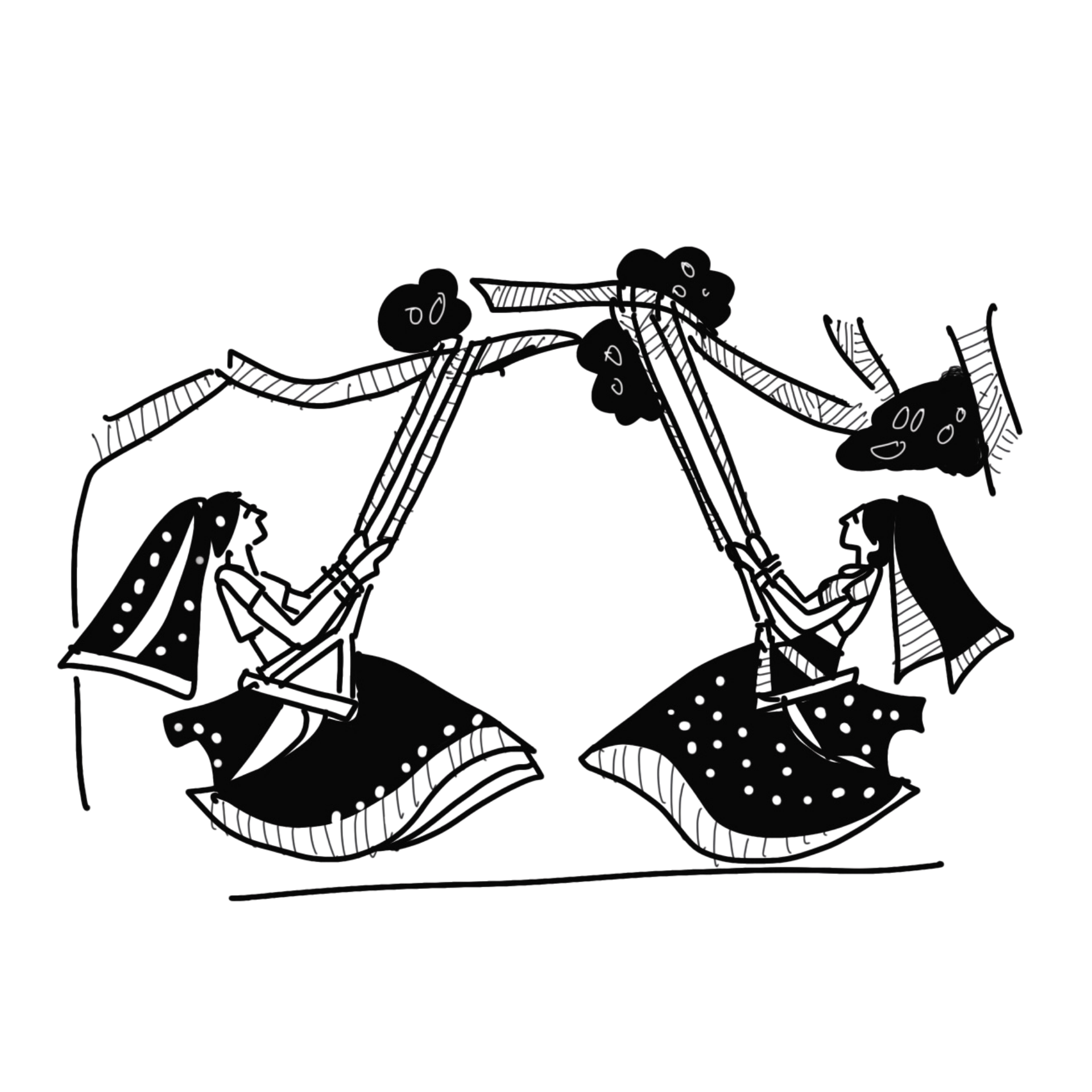
The Khejri tree is sacred to the Charani women. It is said that when there was no wood and one such woman had no staff with which to churn buttermilk, she caused a Khejri tree to appear -from which she produced a limitless supply of buttermilk. In some stories, these women are described as daughters of snake gods; in others, they are nymphs who take the form of tigers. Now, tigers and the Khejri tree appear on Harappan seals-suggesting that the Charans may have been closely linked to, or descended from, the Harappan cities through the cult of sindoor. Women of this region wear bangles similar to the bangles manufactured in Harappan cities.
The oldest image of Durga, dated to the 1st century BC, was found in Nagar near Chittorgarh, Rajasthan. It shows the goddess with two hands, plucking out the tongue of a buffalo. Intriguingly, in the Hinglaj Mata temple in Balochistan, there is still a site commemorating the tongue of the buffalo demon being flung to the side of the temple. The legend persists.
Sufis of the region refer to Hinglaj Mata of Balochistan as Lal Chunariya Wali or Nani Devi. The name Nani connects her with Naina Devi of Uttarakhand and the goddess Nana, who was revered as a lion-riding goddess during the Kushan era. The sindoor goddess trail thus spreads over geography and history. Sindoor then becomes a marker of a civilisational network that predates the composition of the Vedas.