
Mythologist | Author | Speaker | Illustrator

-
Articles

Increase upon Increase
The Sanskrit term for compound interest is chakra-vriddhi, literally ‘wheelgrowth’ or “increase upon increase”. This word occurs in classical Sanskrit lexicons and legal-economic literature, where it denotes interest that accrues on previously accumulated interest, i.e., compound interest…
-
Articles
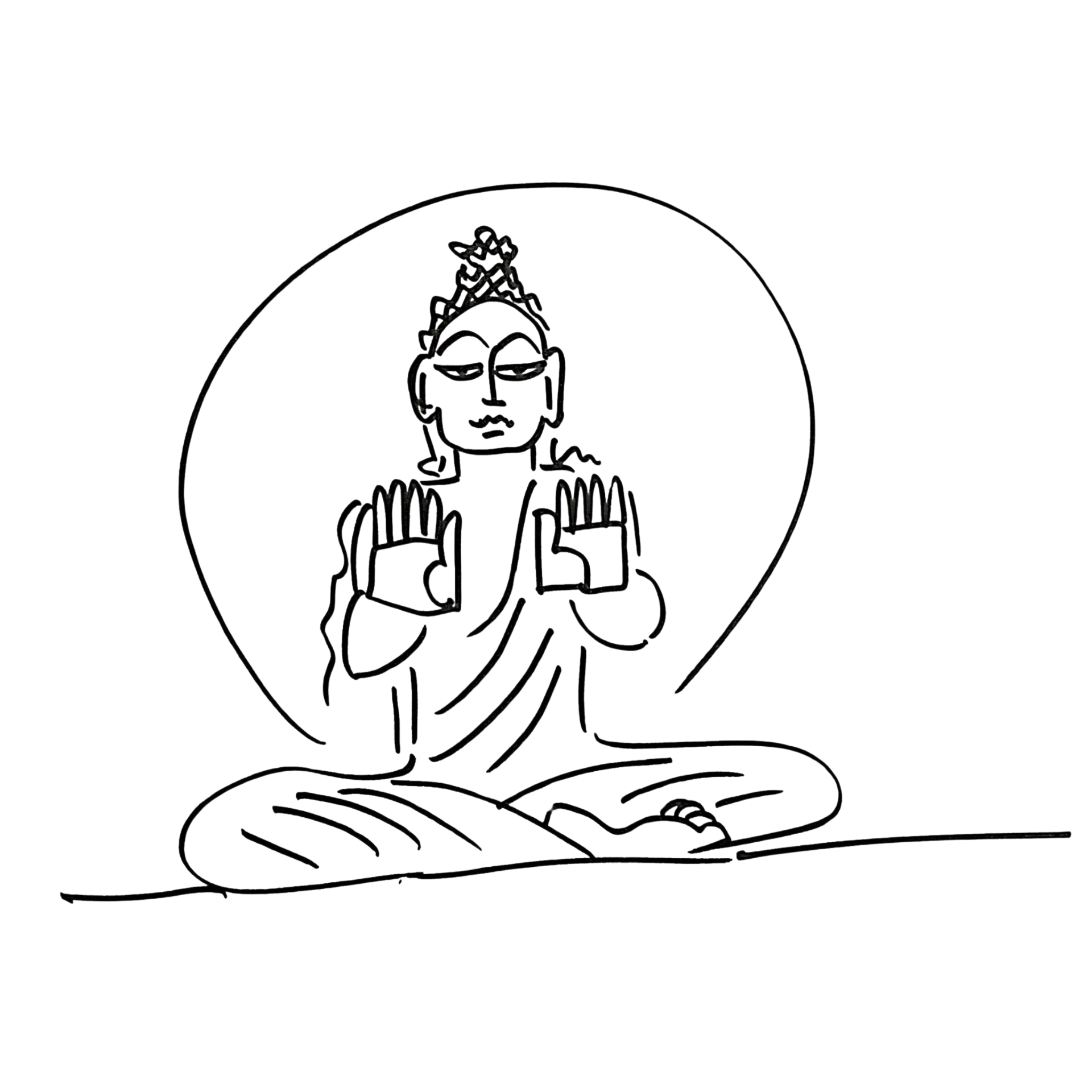
Is Buddha a historical or a mythological figure?
No one ever talks about the “300 Buddhas” or the many narratives that recount the story of the Buddha. The assumption is that the Buddha is a historical figure, even though every Buddhist scholar knows that the Buddha story we recognise today was constructed by 19th-century Europeans using a variety of texts and arbitrary principles…
-
Articles

The Cannibal’s Victim
Kaisika Dwadashi, the 12th day of the waxing moon after Diwali, is celebrated in many Vishnu temples of South India. During this time, people are encouraged to visit the temple and hear the story from Varaha Purana of Nampaduvan, a “low” caste singer who was caught by a cannibalistic demon known as Brahma-Rakshasa…
-
Articles

Hindu Temples in Cambodia and Thailand
The recent skirmish between Cambodia and Thailand caught Indian attention not because of Buddhist politics but because the fight was over a Hindu temple perched on the border of two Buddhist nations. …
-
Articles
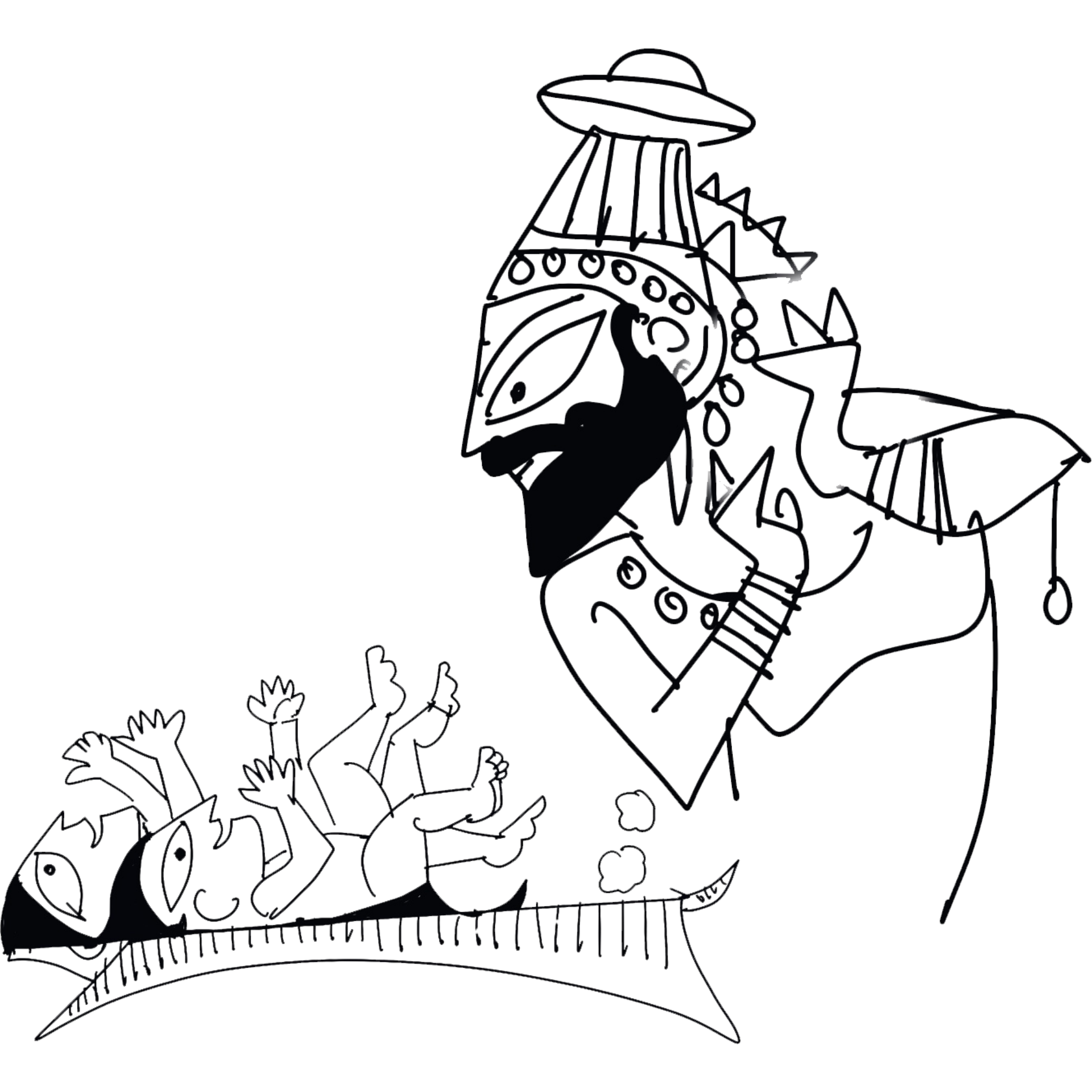
Abandoned twins: Kripa and Kripi
One day, King Shantanu stumbles upon two abandoned babies on the forest floor: a boy and a girl. He adopts them, names them Kripa and Kripi, and raises them…
-
Articles
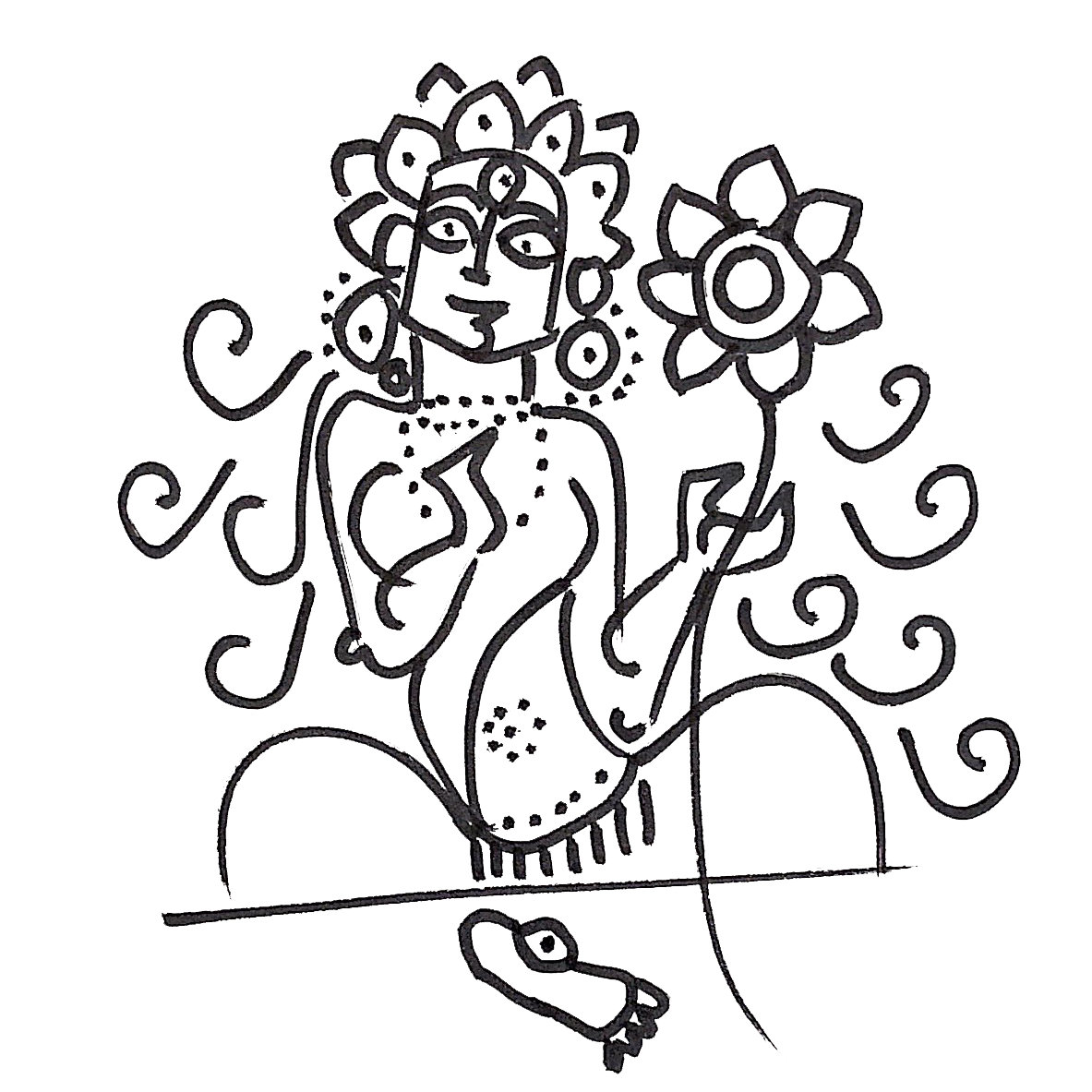
Why Buddhists Erased a Queen From History
Buddhism is seen today as the religion of social justice. Yet, in ancient and medieval times, the Buddhist monastic discipline spread concepts of misogyny wherever it went…
-
Articles

Many Forms of the Buddha
Over time, the Buddha images multiplied in form and scale. They were carved seated, standing, reclining, and even walking. They spread from India to Sri Lanka, Southeast Asia, China, and Tibet. Giant Buddhas were cut into cliffs along trade routes, reassuring travellers and marking the way…
-
Articles
The Buddha and His Impact On Brahminism
Vishnu takes the form of Buddha to save animals from being slaughtered in Vedic rituals. Today, many Hindus get upset when told that Vedic rituals involved animal sacrifice. Clearly, Buddhist influence on Vedic Brahmins has been profound, though always denied…
-
Articles

Decoding Invisible Hunger and Fear
Where there is pursuit of food, there is hunger. Where there is hunger there is competition, collaboration, success and failure. …
-
Articles

Dalai Lama: Politics of reincarnation
The Dalai Lama plans to declare where he will be reincarnated in his next life. In other words, where his successor will be born. To the rational mind, this may sound like a bizarre proposition, but it has annoyed the Communist authorities in China…
-
Articles

Ashoka’s Afterlife
Historians amplify the rational and secular aspects of Ashoka’s inscriptions, and play down the mythical elements, use of words like paraloka and swarga. These would indicate Ashoka’s need to perform ritual acts to ensure a positive fate in the afterlife…
-
Articles

Shiva, the Teacher
Most texts describe Buddhism as a reaction to Vedic ritualism, but they fail to discuss how Shaivism was a response to Buddhism…
-
Articles
Buddhism Was Pushed Out, Or Pulled Out?
Emphasising the “pushing out” of Buddhism frames it as a passive victim. Its “pull out” strategy in response to local hostility, and greater opportunities in foreign lands, reminds us that even ideologies can have agency…
-
Articles
Buddhas No One Talks About
There are seven Buddhas as per Sanchi Stupa, twenty-four and more as per the oldest Buddhist Sanskrit texts found barely two decades ago in Gandhara…
-
Articles
A Thousand Buddhas
We have all heard how there is no one single Ramayana, there are many — 300 at least. But no one tells us there is not just one Buddha; that there are dozens, maybe thousands, perhaps even millions, as per the earliest Buddhist scriptures…
-
Articles
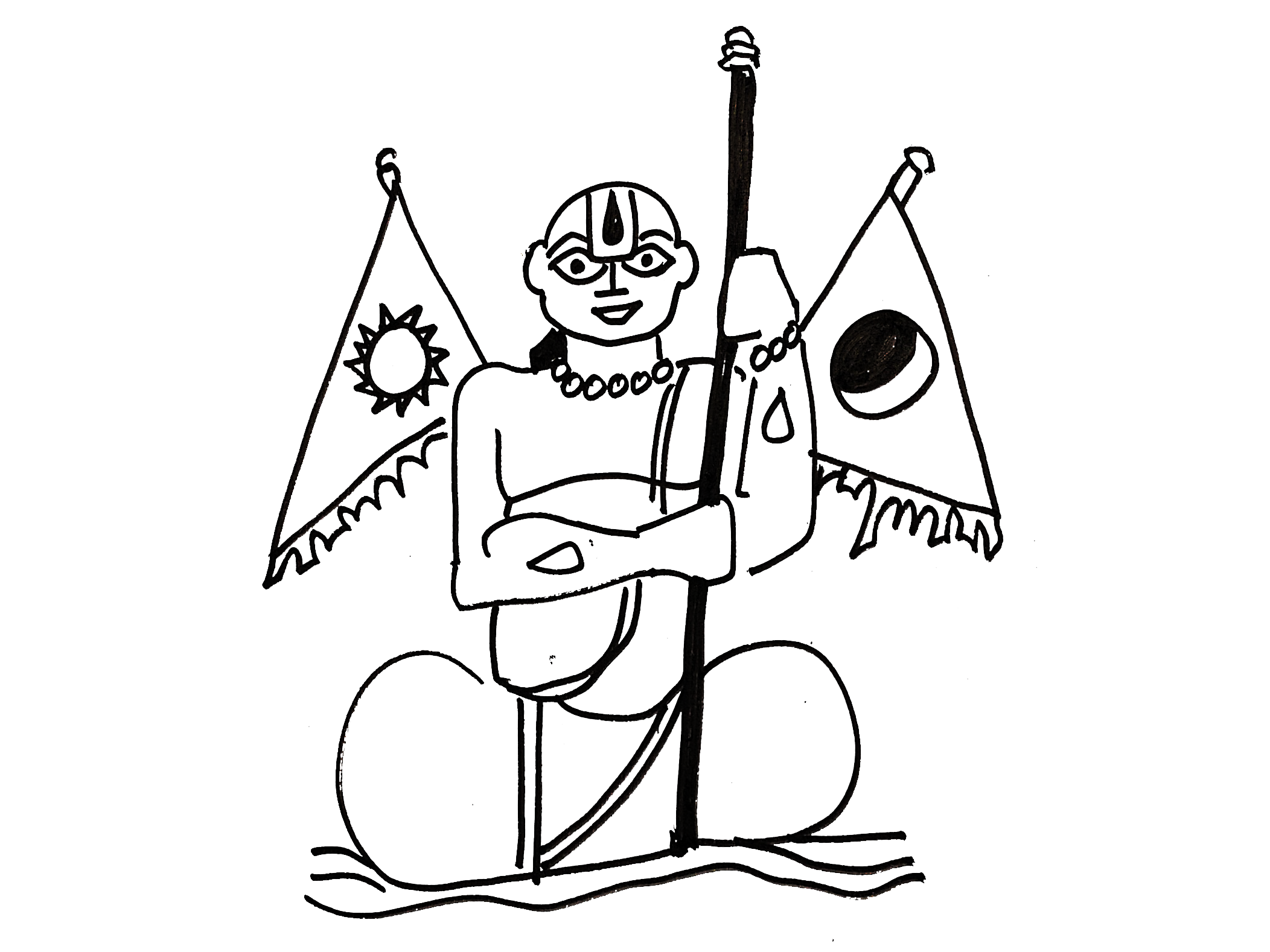
Buddhism, Jainism Within Brahmanism
As per conventional history, Jainism and Buddhism originated in India 2,500 years ago to challenge Vedic ritualism and casteism. Then, a thousand years ago, Buddhism was driven out by Brahmins, with a little help from invading Muslim warlords…