
Mythologist | Author | Speaker | Illustrator

-
Articles

Temples of Swaminarayan
Published on 13th November, 2021, in Economic Times. Most Indians are familiar with Raja Ram Mohan Roy and his Brahmo Samaj and link it with the 19th Century Hindu reformation. But very few know about Sahajanand Swami or the reforms instituted by his Swaminarayan sampradaya, even though both men lived in the same period of…
-
Articles
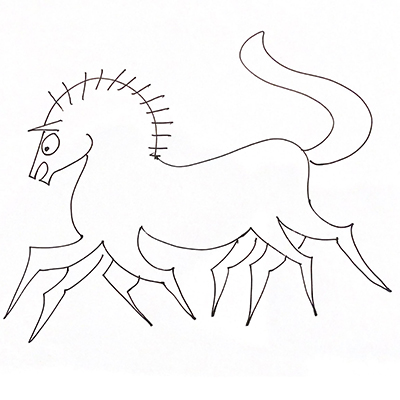
Loki, the Father and the Mother
Published on 7th November, 2021, in Mid-day. The unique belief of the Norse, not shared by other cultures, was that the world would eventually end, and in the final battle, even the gods would die, fighting the giants and goblins The story of the horse with eight legs comes from Norse mythology, which is the…
-
Articles

Four Phases of Buddhist Art
Published on 24th October, 2021, in Mid-day. Buddhist art has a history of over 2,000 years. During this time, it goes through many phases, revealing the transformations in Buddhist thought. In the earliest Buddhist art, Buddha is not represented. In fact, his presence is indicated by his absence, using various symbols such as a turban,…
-
Articles
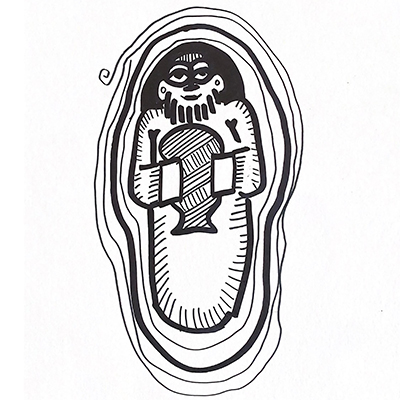
What Is God’s Pronoun?
Published on 22nd October, 2021, in Times of India. Currently, across US college campuses, there is a strong movement to popularize the idea of gender fluidity. People are specifying their preferred pronoun. If you identify yourself as male, you choose he and his. If you identify yourself as a woman, you will use she and…
-
Articles

Activism, Monotheism and Intolerance
Published on 17th October, 2021, in Mid-day. Have you noticed that academicians who say Hinduism is casteist, and promotes inequality, rarely talk about intolerance of monotheistic faiths like Christianity and Islam which dominate the world? Monotheist religions endorse the worship of ‘true’ God and oppose worship of ‘false’ gods, especially idolatry. What is a false…
-
Articles

Collaborators Succeed in History
Published on 16th October, 2021, in Economic Times. In Hindutva’s political history, the Mughals were dacoits, who came from the North-West. A peer-reviewed history of India, of course, says that is not true. Foreign tribes have been entering through the North-West for a very long time. They all established their rule. The successful ones collaborated…
-
Articles
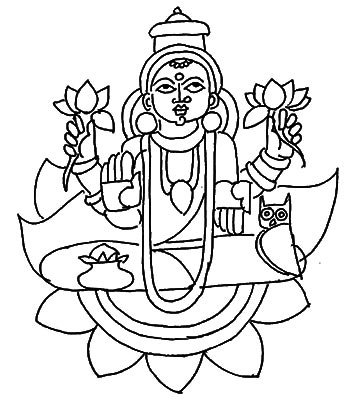
Should a Deity Have Two Arms or More?
Published on 9th October, 2021, in The Hindu. In Kushan coins, minted over 1,800 years ago, we come across images of a woman holding the horn of plenty. She is identified with the Roman Goddess Fortuna, the Greek goddess Tyche, the Central Asian Ardochsho, the Buddhist Hariti, and the Hindu goddess Lakshmi. Images of Lakshmi…
-
Articles

When Does Krishna Justify War?
Published on 2nd October, 2021, in Economic Times. Mahatma Gandhi famously argued that Bhagavad Gita needs to be seen as a metaphor of internal war, and has nothing to do with violence. Western scholars argue that the book does the very opposite – it actually promotes violence, and is therefore favoured by Hindutva. To understand…
-
Articles

Is Criticism Of Caste the Same As Hinduphobia?
Published on 25th September, 2021, in Times of India. Recently, a conference was held on the theme of ‘Dismantling Global Hindutva’. It was sponsored by American universities tired of Hindutva bullying. However, the decision to hold it immediately after the anniversary of the 9/11 twin tower attack, from September 10-12, was not accidental. It was…
-
Articles

Taoism and Tantra
Published on 5th September, 2021, in Mid-day. There is much in common between the Chinese path of Taoism and the Indian path of Tantra. Both value the body and the material world. Both see all power coming from nature. They seek the balance of forces. What is yin in China, is called ida in Tantra,…
-
Articles

Why India Needs To See Marital Relationships in Political and Economic Terms
Published on 4th September, 2021, in Economic Times. Zeus, king of the gods, in Greek mythology had children by many women, both mortal and immortal, nymphs and goddesses and titans. But he had only one wife. The Roman Empire celebrated monogamy and legitimate children, but the reason for this was not moral, it was legal.…
-
Articles
Privileging Political Independence
Published on 15th August, 2021, in The Hindu. The story of the eagle Garuda stealing the nectar of immortality from Indra’s paradise to liberate his mother from slavery reminds us of Greek heroes who go on quests to fight monsters to liberate damsels in distress. In Biblical tales, the role of the Greek hero is…
-
Articles

Tying the Knot
Published on 22nd August, 2021, in Mid-day. In Hindu metaphysics, yoga is the practice of untying mental knots. Bhoga is the experience of life that creates these mental knots. When we consume life, we experience hunger, fear, delight, jealousy, attachment, rage, greed, frustration, hatred, joy, and these various emotions and stimulations cause our mind to…
-
Articles

A Brahmin in Kerala
Published on 21st August, 2021, in Economic Times. The Puranas tell the story of an asura king called Mahabali who gave people whatever they desired. Mahabali had thrown out Indra, king of devas, who ruled the skies, and now controlled the three worlds: the sky, the earth and everything in between. Mahabali was a generous…
-
Articles
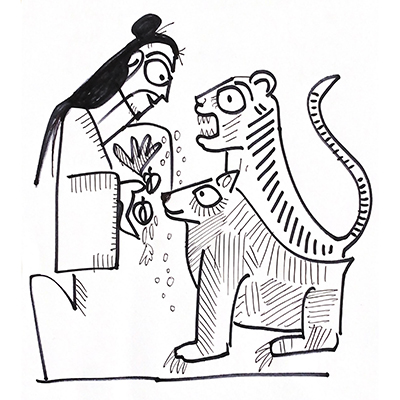
Ancestor Gods of Korea
Published on 15th August, 2021, in Mid-day. The Korean peninsula is located in Northeast Asia, jutting out into the sea. To its west is China and to its east is Japan. Both China and Japan have sought to lay claim over Korea, but Korea has resisted fiercely. One way it has established its independent identity…
-
Articles

How Did Tantra Spread from India to Tibet?
Published on 14th August, 2021, in Times of India. Tibetan Buddhism is called Vajrayana Buddhism, which is sometimes also called Tantrik Buddhism. Here, women play an important role, which is why the symbols of Vajrayana Buddhism are a double-sided dagger (vajra) and the bell (ghanta), representing male and female principles, which in turn represent the…