
Mythologist | Author | Speaker | Illustrator

-
Articles
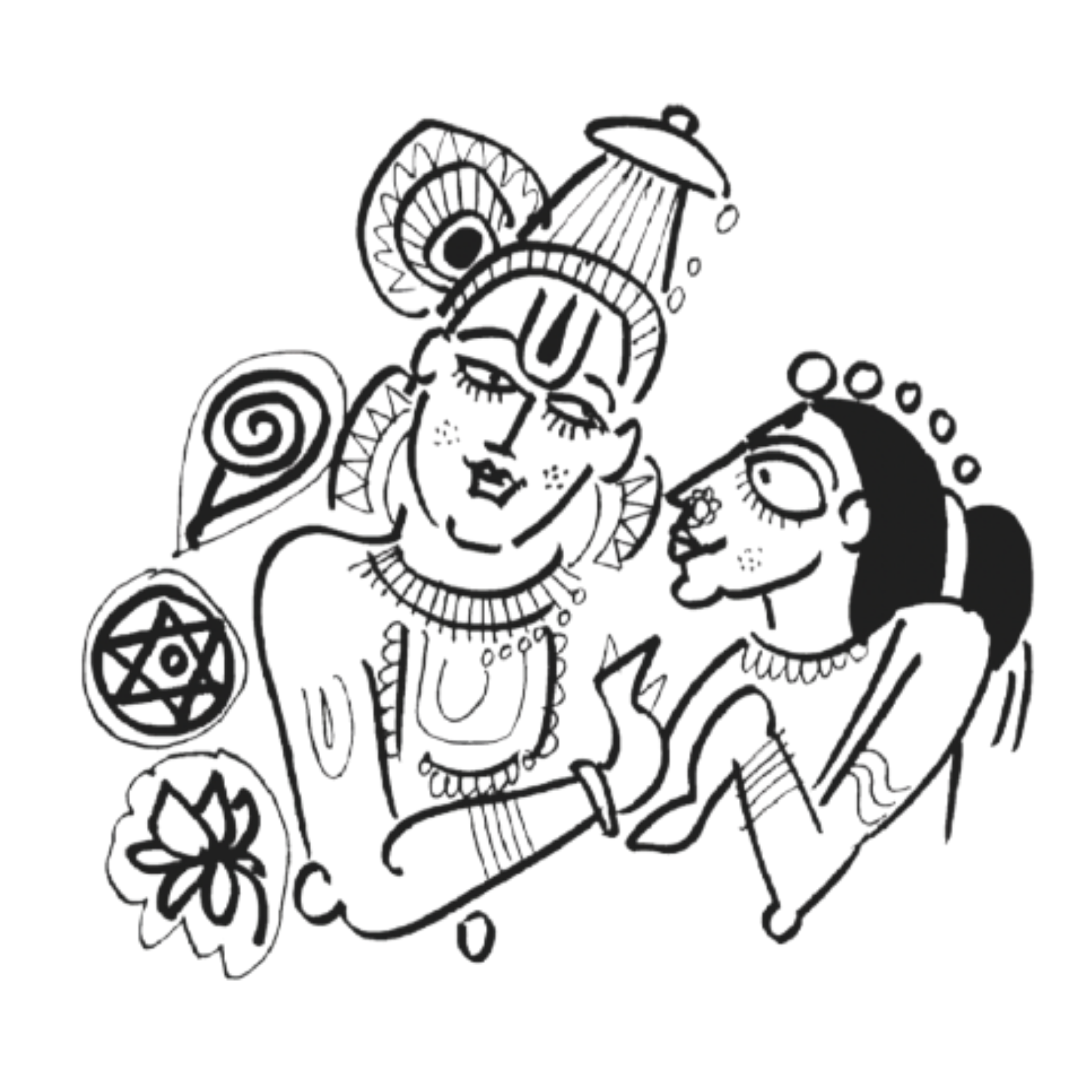
Vishnu’s Art of Attracting Fortune
In Indian mythology, Vishnu is described as the beloved of Lakshmi. His names are Sri-vallabha, beloved of fortune, and Sri-nivasa, abode of fortune. In art, the goddess is shown residing in his heart, or seated by his side. When he reclines, she is at his feet. This pairing is a metaphor. …
-
Articles

Are vegetarians kinder people?
Vegetarianism has become associated with Jains, Brahmins, Baniyas, Lingayats and with the idea of purity, even though Kashmiri, Maithili, Bengali and Odia Brahmins are meat-eaters. Meat eating became associated with communities considered “untouchable” and “impure”: Tribals, Dalits, Chandalas, Ati Shudras. Over time, diet has become a caste marker. …
-
Articles

How Mangal Kavyas reinvented Hinduism in Bengal
Stories shape culture. The Mangal Kavyas is one such example. They are folk narratives that emerged in Bengal between the fifteenth and eighteenth centuries. …
-
Books
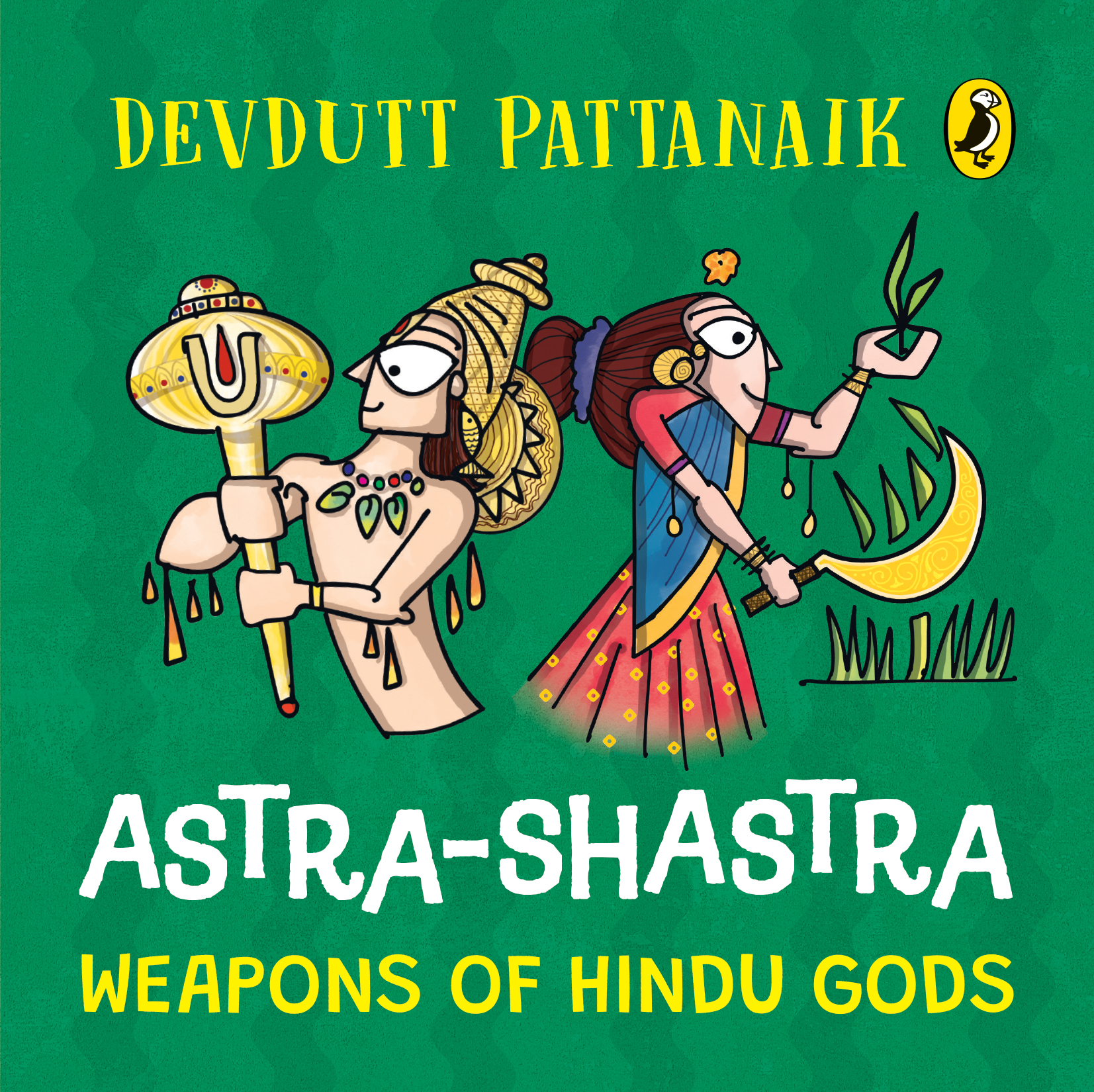
Astra Shastra: Weapons of the Hindu Gods
Well-known mythologist Devdutt Pattanaik introduces young readers to the wonderful weapons of Hindu gods with his unique art and easy-to-read text…
-
Articles
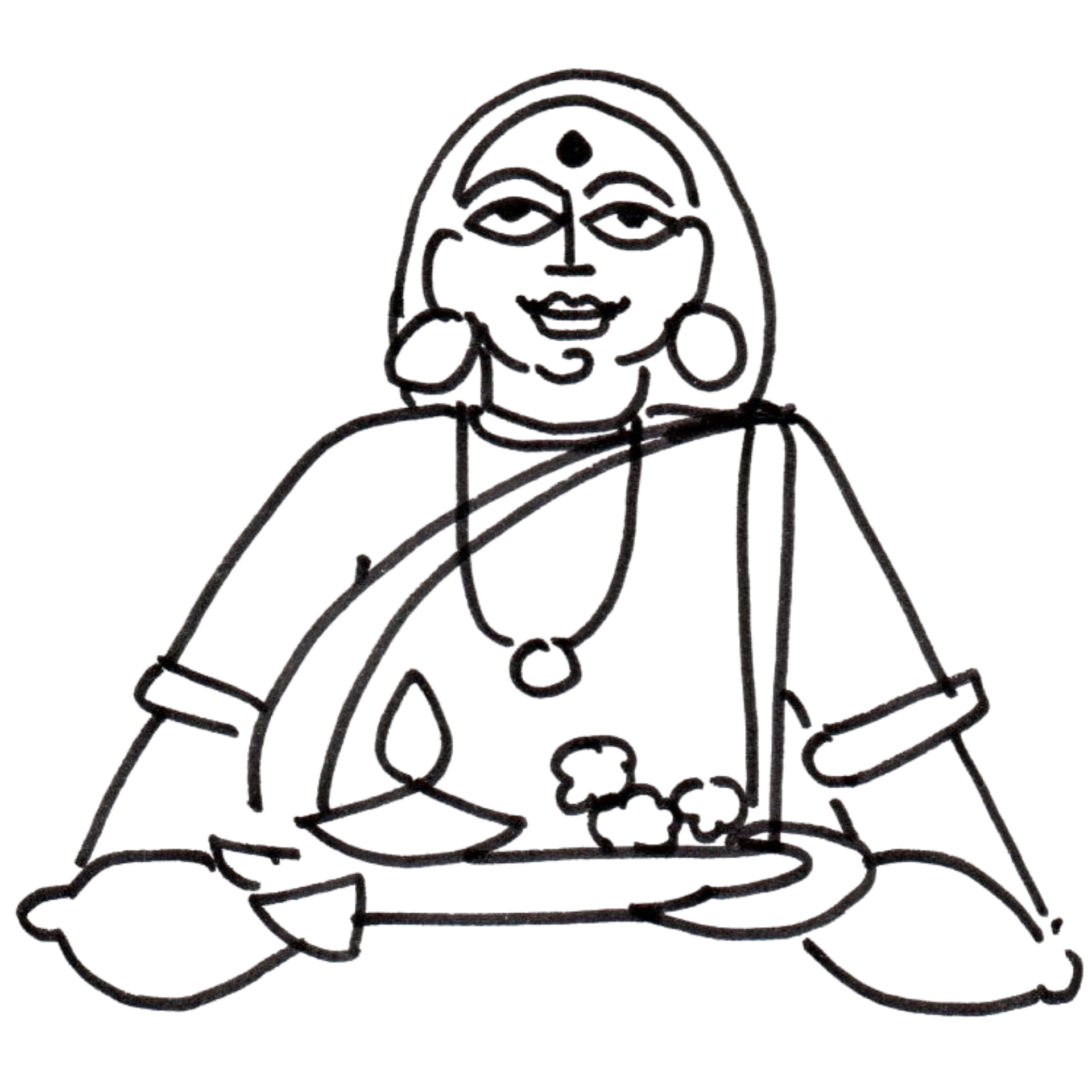
How Diwali Changes Shape Across India
Diwali is celebrated across India, but contrary to popular assumption, it is not a single, uniform festival. It takes very different forms depending on where you go. …
-
Articles

The Seven Steps To Partnership Over Promises
The idea of taking vows during weddings is not part of Hindu traditions. This idea comes to us from West Asia and the Middle East…
-
Articles

What was Rig Vedic society like?
Rig Vedic society reflects a long and uneven transition from a predominantly pastoral mode of life to a more settled agrarian order, accompanied by the gradual emergence of social hierarchies…
-
Articles

How Theosophy changed Hinduism
Modern Hinduism, as it is practised and explained today, did not emerge in isolation. It was shaped in conversation with Europe at a moment when Christianity itself was in crisis. Theosophy became the bridge in this encounter. Through it, Hindu ideas were reframed, revived, and repackaged, influencing figures as different as Gandhi, Rukmini Arundale, and…
-
Articles

The Great Satvic Scam
Across India and in the diaspora, satvikism is now being marketed as a refined, enlightened Hinduism. However, it subtly divides Hindus into two camps. …
-
Articles

The hook-swinging rituals of India
Across India there are festivals where men and sometimes women do hook swinging. Here, an iron hook is passed through the back of the person and they are hung from a pole that either rotates around a pillar or is attached to a pillar of a cart that is pulled by buffaloes. This is not…
-
Articles

How Indian Mythology Maps Emotion to Geography
In Tantrik lore, Shiva sits in the mountains, Chamunda sits in the crematorium. When they make a home, they find joy in Kashi, on the banks of the Ganga…
-
Articles
Equality In Love
Every context is different. Standard rules do not apply. The point is that we witness each other and allow each other to grow…
-
Articles

What Does Indian Mythology Have To Say About Marriage Dynamics?
In Shiva temples, the couple are always together, but in Vishnu temples, the goddess has her separate shrine, asserting her identity…
-
Articles
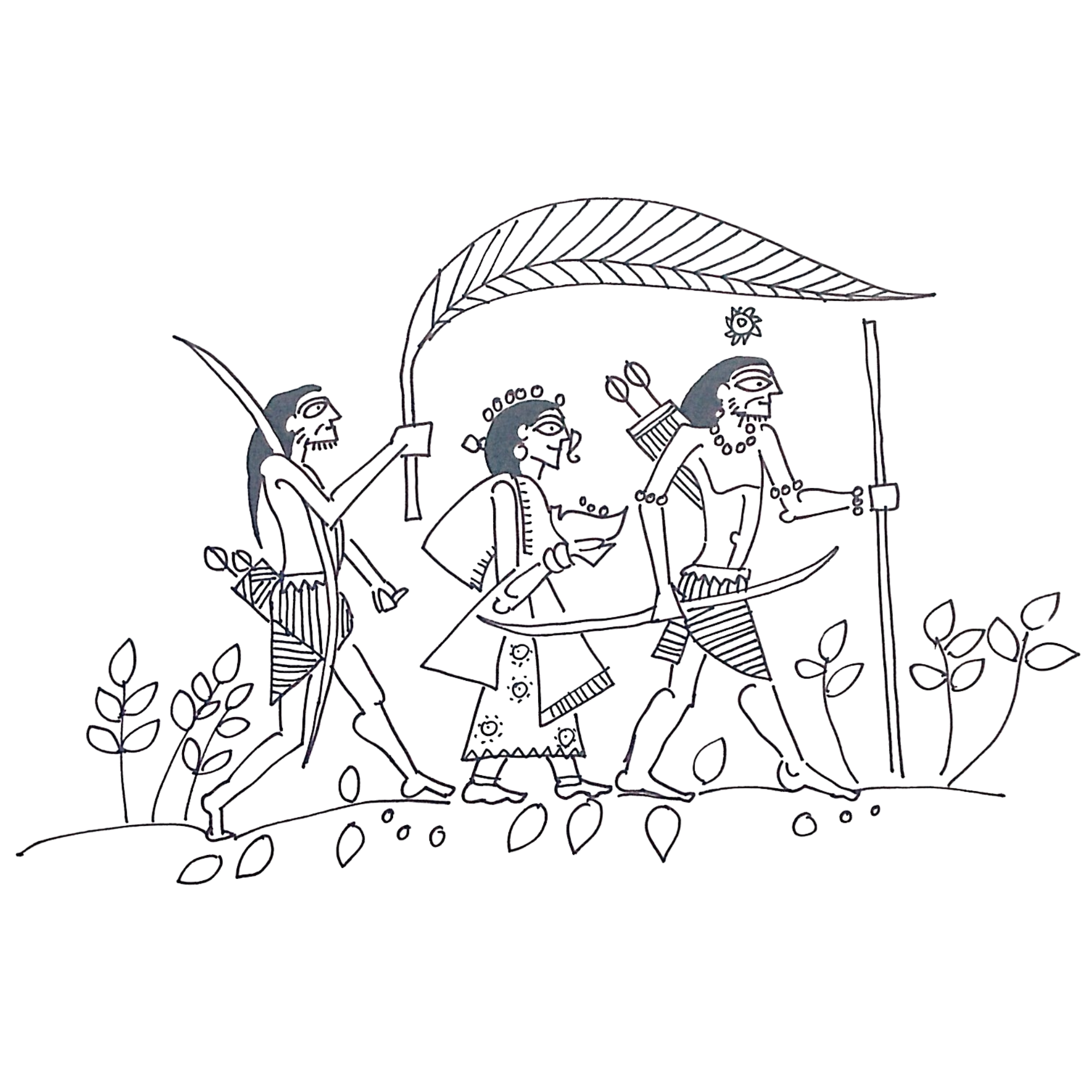
Ramayana in Thailand & Cambodia
The Thai and Cambodian Ramayanas developed between the medieval and early modern periods as court-centred narratives shaped by performance, visual art, and Buddhist ethics. Though they share a common source, they reinterpret the story through parallel but contrasting treatments of kingship, heroes, villains, and moral order…
-
Articles
How Ahimsa Enables Untouchability
Ahimsa is presented as the highest Hindu virtue. It evokes images of gentle sages, compassionate saints, and morally superior lives. But beneath this halo lies a social technology that has, for centuries, enabled and reinforced untouchability. …
-
Articles

What Is India’s Original Name?
India has numerous names, but lacks a single, definitive origin story. This is unsettling for modern nationalism, which favours a clear and singular genesis. The truth, however, is more nuanced and compelling. …