Published on 24th July, 2015, in the Economic Times.
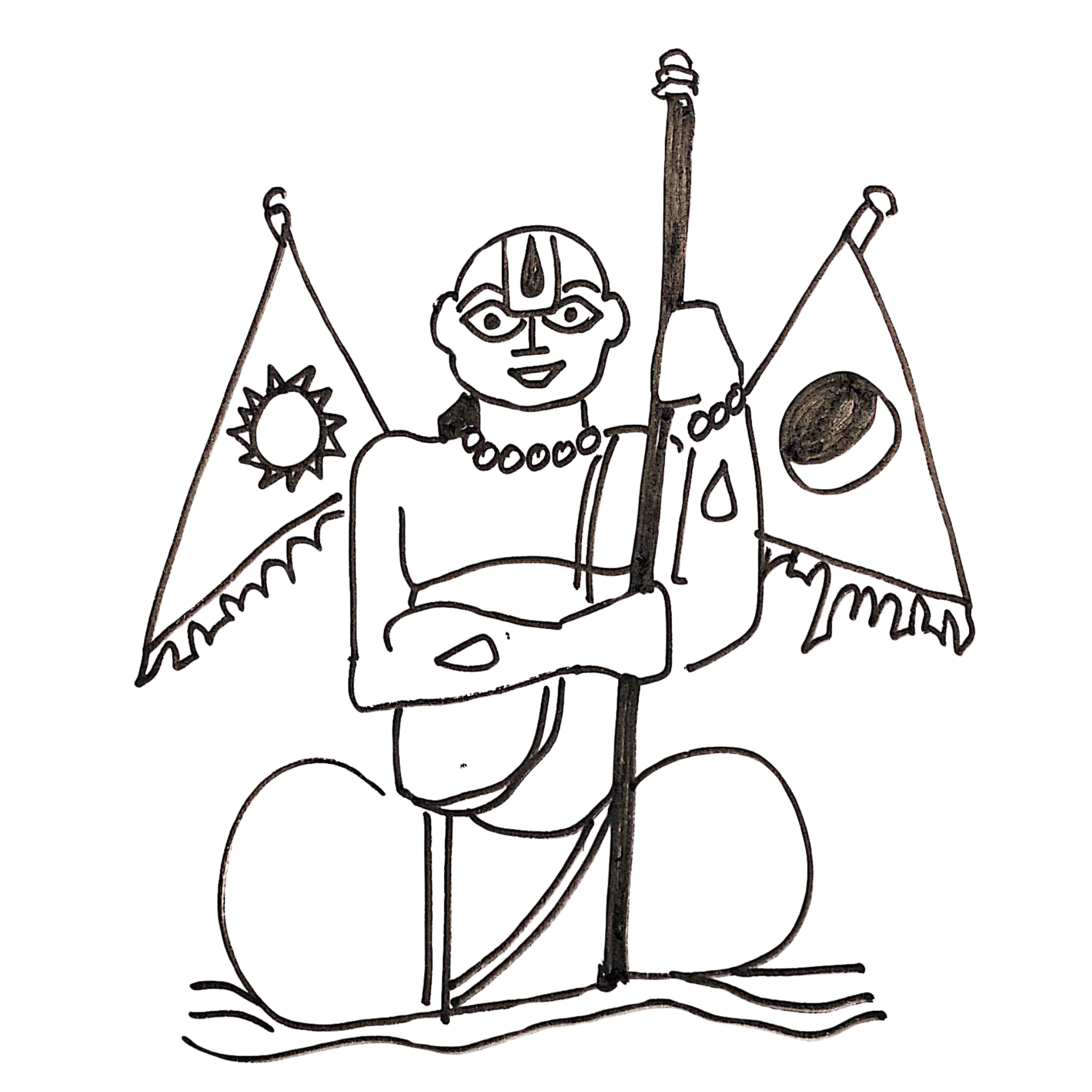
Krishna reveals the Gita to Arjuna on the brink of battle at Kuru-kshetra. Sanjaya, blessed with telepathic sight, overhears this and transmits it to Dhritarashtra, the blind king of Hastinapur, father of the Kauravas, uncle of the Pandavas, who sits far from the battlefield in a comfortable palace. This structure, with two speakers and three receivers, is aimed to draw attention to the complexity of any communication, the wide gap between knowledge given (gyan) and knowledge taken (vi-gyan).
Krishna and Sanjaya speak the same words, however, only Krishna is the source of the knowledge, while Sanjaya is merely a transmitter. Krishna knows what he is talking about. Sanjaya does not.
Arjuna, Sanjaya and Dhritarashtra hear the same verses, but they process it differently. Arjuna is seeking this knowledge; he believes that Krishna will solve his problem so is fully attentive, processing what he is hearing. Sanjaya is merely doing his duty passing on what he hears; he does not need to understand what Krishna is saying. And Dhritarashtra is impatient, uninterested in what Krishna is saying, eager only to know the fate of his sons. If anything, he fears what Krishna says for Krishna is on the enemy side.
When you are communicating: are you Krishna, who knows what he is talking about? Are you Sanjaya, the transmitter, merely the messenger? If people see you as Sanjaya, will they connect with you the same way that they would if they saw you as Krishna? In modern management, everyone is expected to behave like Sanjaya — transmit what the management says. And then we wonder why no one respects Sanjaya.
Are the people around you Arjuna or Sanjaya or Dhristarashtra? Are they interested as in case of Arjuna? Are they merely memorizing like Sanjaya? Are they disinterested, even suspicious, as in case of Dhritarashtra? We want front line people to be Arjunas, we want middle level people to be Sanjaya, but more often than not they turn out to be Dhritarashtra who is constantly wondering what the game behind those fancy words is.
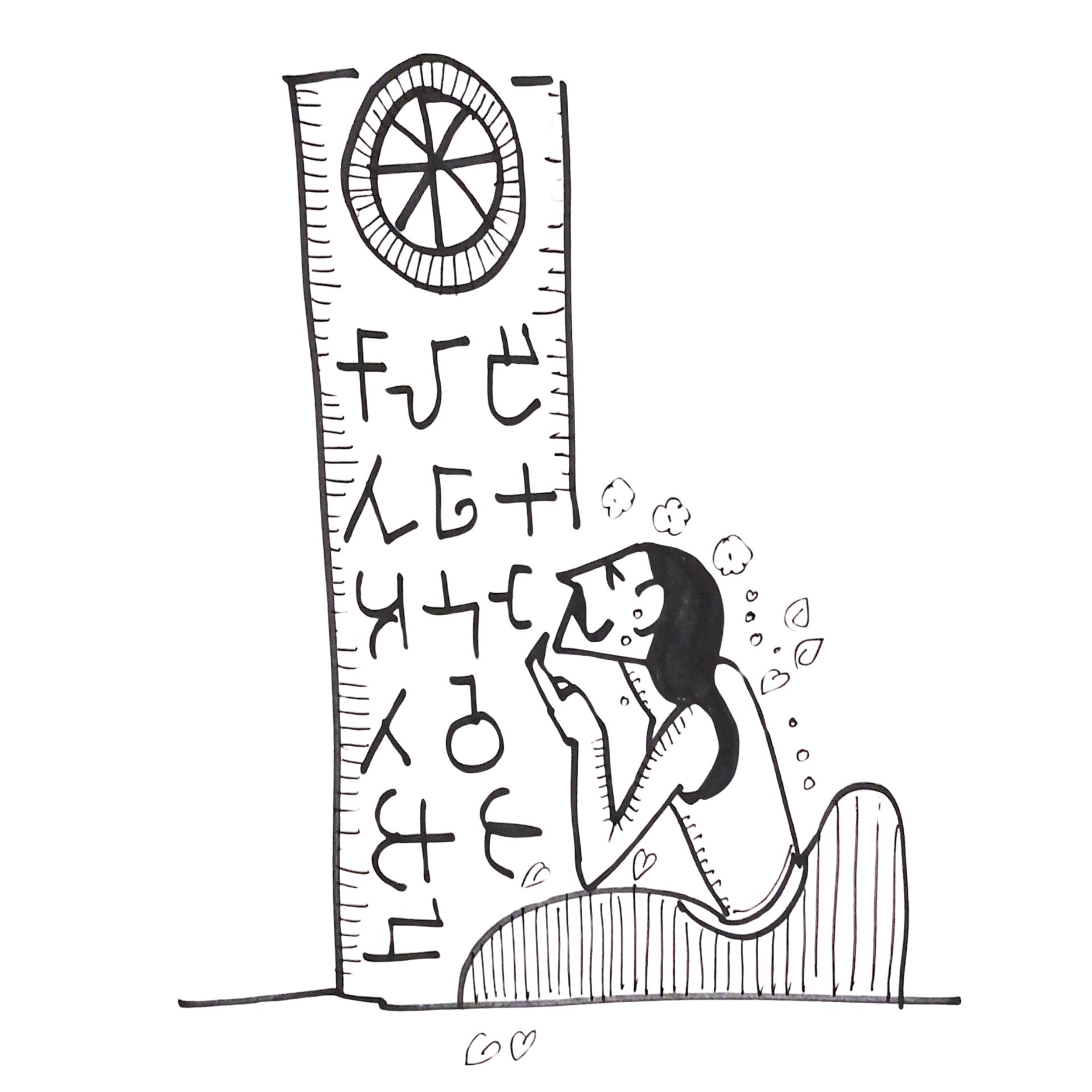
Our memory shapes how we see those who seek to instruct us. And how we see those who instruct us determines what we actually hear. The Sanskrit word of memory is smriti, for seeing is darshan and for hearing is shruti.
The Vedas are called shruti: that which is heard. Later scriptures are called smriti: that which is remembered. Shruti is always valued over smriti, because shruti is seen as ideas that are timeless (sanatan) and eternal (saswat) while smriti means ideas that are contextual, fixed to a place and period. Shruti is what we hear (gyan); smriti is what we actually process and assimilate (vi-gyan). Darshan is the practice of gazing upon the deity enshrined in a temple, a practice that became popular with the rise of Puranic Hinduism. Darshan leads to insight. Darshan therefore also means philosophy: our assumptions that shape our reality. In Vedic tradition, Vedic wisdom reveals itself to those who see what others could not, would not, or did not see. These are the observers (rishis), who heard what others could not, would not, or did not hear.
We often let our memories distort our understanding of the world and so very often do not hear what is told or see what is shown. There is a popular joke of a man once asking, ‘Can I smoke while praying?’ and the priest replying, absolutely not! Sometime later, the same man asked, ‘Can I pray while smoking?’ and the priest said it was okay! Both questions were same but the priest gave opposite answers for his memories that valued prayer over smoking made him react to the first half the question and prevented him from hearing the entire question.
Like that priest most people are quick to the draw, too eager to react, and so less inclined to listen. We want to be Krishna, but not Arjuna. We end up as being Sanjaya, and those in front of us become Dhritarashtra. Thus the Gita of the corporate world goes unheard.