Published in Corporate Dossier, ET on 26th March, 2010.
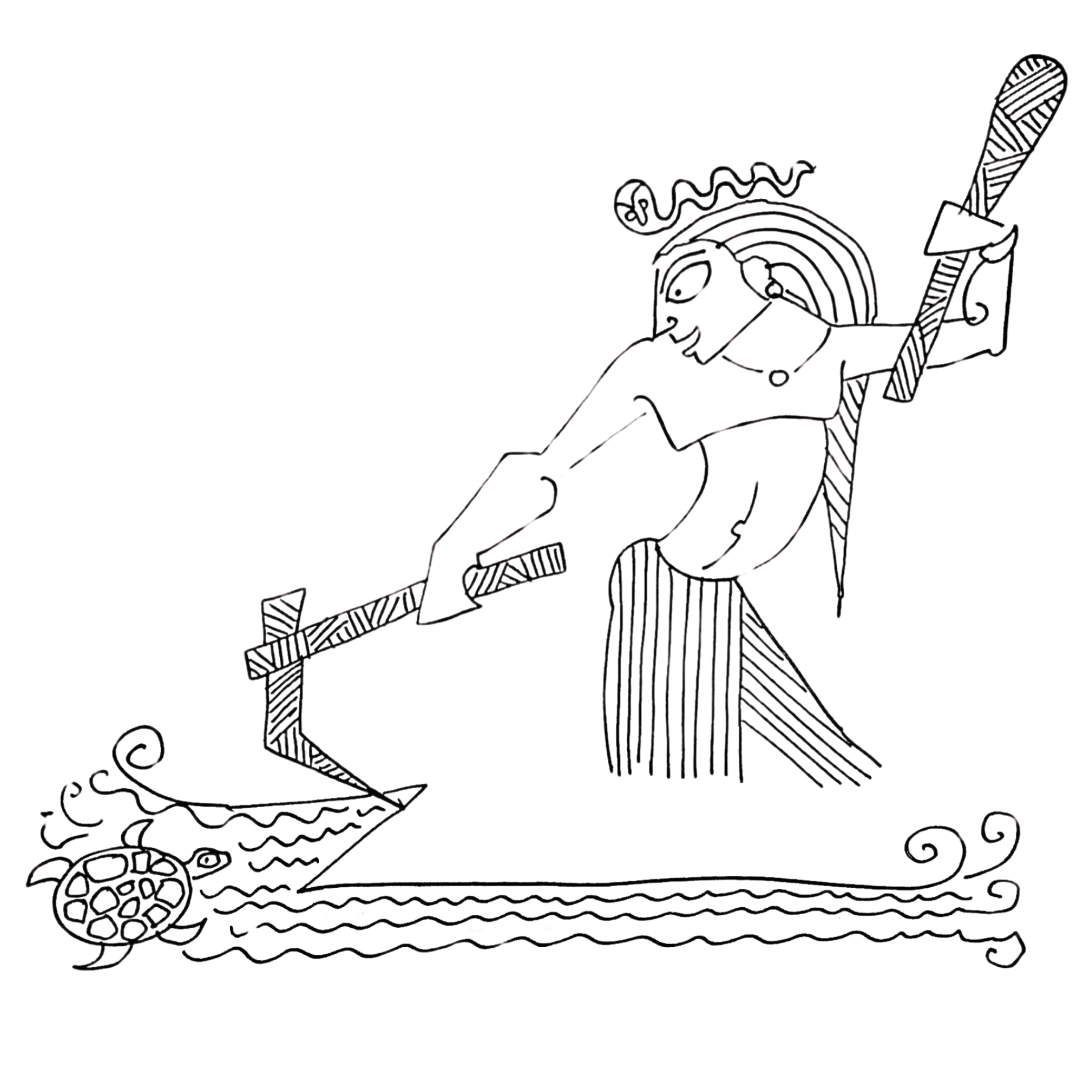
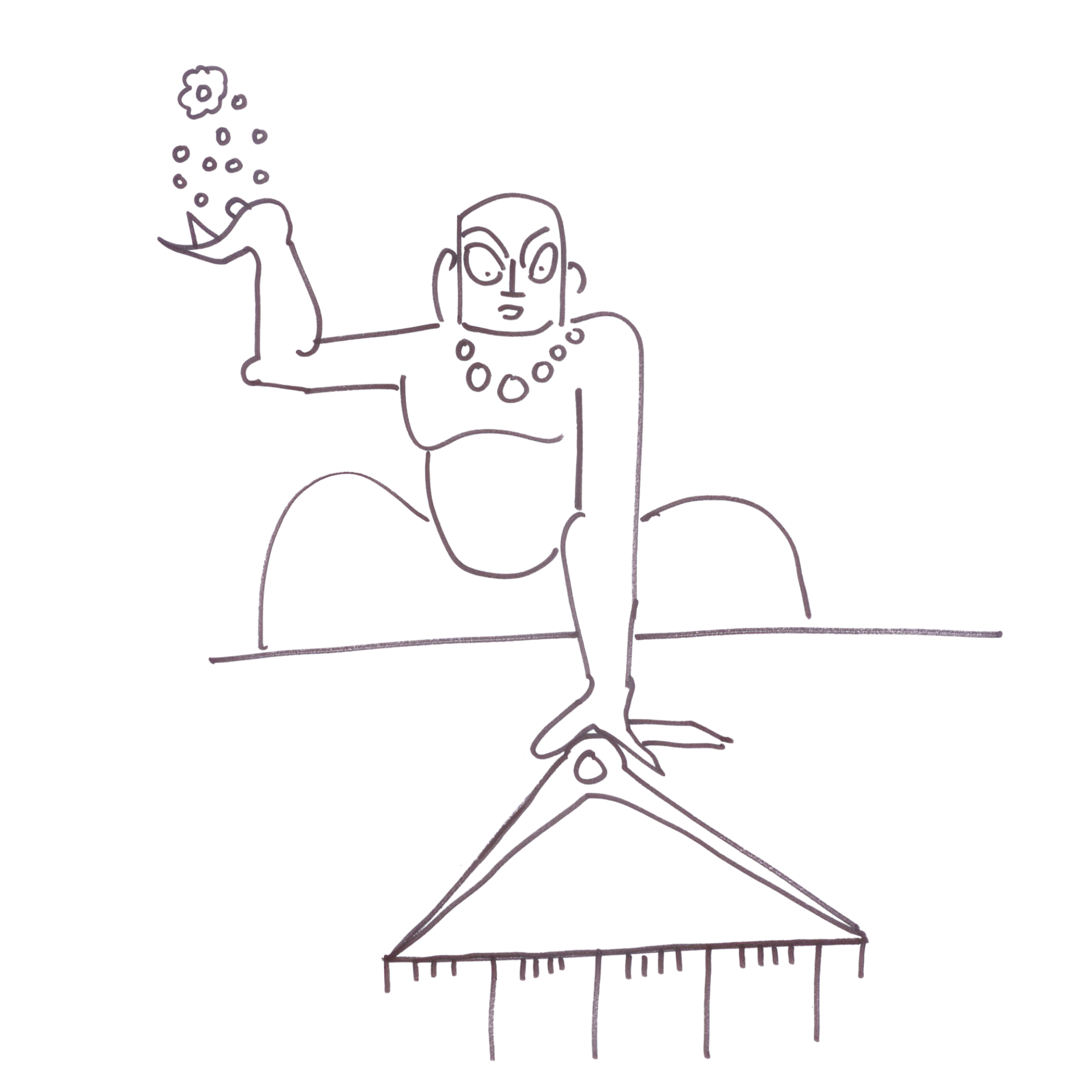
Jain documents say that in every era, there is a hero called Vasudeva who defeats a villain called Prati-Vasudeva. One such Vasudeva was Krishna who defeated the villain Jarasandha. But the Bhagavat Purana says that Paundraka, king of Karusha, declared that Krishna was not the True Vasudeva; it was he. So Paundraka wore a crown with a peacock feather. And he held a lotus flower in one hand and a conch-shell in another. Round his neck he put a garland of forest flowers, the Vana-mali. In his ears, he put earrings that were shaped like dolphins, the Makara-kundala. He draped the bright yellow silk dhoti or the Pitambara. He even got hair-dressers to make his hair curly just like Krishna’s. He insisted on eating rich creamy butter in each meal. He even played the flute in flowery meadows on moonlit nights and got his queens and concubines to dance around him. “See,” he said, “I do everything he does. I am the True Vasudeva. Krishna is the False Vasudeva.” The people of Kraucha, some gullible, some confused, some frightened, worshipped Paudraka with flowers and incense and sweets and lamps. Everyone wondered who was actually the True Vasudeva, since both looked so alike?
Paundraka’s courtiers pointed out to him that Krishna of Dwaraka had a Sudarshan Chakra, a wheel-shaped weapon that no other man has. “Oh that,” Paudraka retorted caustically, “He borrowed it from me. I must get it back from the impostor.” So a messenger was sent to inform Krishna to return the Sudarshan Chakra or face stern consequences. Krishna said, “Sure, let him come and get it.” Irritated that Krishna did not come to return the Sudarshan Chakra himself, Paundraka set out to Dwaraka on his chariot decorated with a banner with the image of the eagle Garuda on it, reinforcing his identity as Vasudeva. When he reached the gates of Dwaraka, he shouted, “False Vasudeva, return the Sudarshan Chakra that rightfully belongs to me, the True Vasudeva.” Krishna said, “Here it is.” The Sudarshan Chakra that whirred around Krishna’s index finger flew towards Paundraka. Paundraka stretched out his hand to receive it. As the wheel alighted on his finger, he realized it was heavier than it looked, so heavy that before he could call for help, he was crushed to a pulp under the great whirring wheel. That was the end of the man who pretended to be Vasudeva.
One often finds False Vasudevas teeming in the corporate world. They know to walk the walk and talk the talk but they simply don’t know what the talk is all about. They know how to dress, how to carry their laptops and their BlackBerrys, what cars to drive, which clubs to join, where to be seen, with whom, how to use words like ‘value enhancement’ and ‘on the same page’ and ‘synergy’ and ‘win-win’. In other words, they know the behaviour that projects them as ‘corporate leaders’, but they have no clue as to what leadership actually means.
At an interview in a fast-growing firm, Vijaychandra selected a young man who showed all signs of having the talent and drive of a leader. The young man’s name was Jaipal. He came from the right universities, he came with the right credentials and the right testimonies. He spoke with the right accent, and used the right words, and dressed the right way. He even played golf! He was fit to head the new e-business division. Two years down the line, however, despite all the magnificent power point presentations and the impressive excel sheets that impressed quite a few angel investors, the revenue was way below the mark. The market had just not responded. Jaipal knew how to talk business, but he did not know how to do business.
Vijaychandra decided to study what Jaipal had done in the past two years. Jaipal, he realized, had stayed in the right hotels and moved about in the right car, but he had never really gone down to meet the vendors and the customers. He really did not immerse himself in the market research. For that he had hired help. He focused on ‘strategy’ but not on ‘tactics’ — he loved boardroom brainstorming but not shop floor sweat. His organization structure was designed such that he kept away from the frontline. He simply assumed that his team would know what to do in the market place. He had never picked up the phone and heard the clients complaints — he preferred the summary of conclusions provided by reputed analysts. He did not hear his sales people whine and groan, he preferred the echoes of the market presented by strategy consultants. Vijaychandra realized this was a False Vasudeva — all imitation, no inspiration.
The False Vasudeva is always good at mimicry. And a good mime can fool an audience. But ultimately the audience has to pay when it is unable to distinguish mimicry from the real thing. Vijaychandra learnt this the hard way.