Published in Corporate Dossier, ET on 7 May 2010.
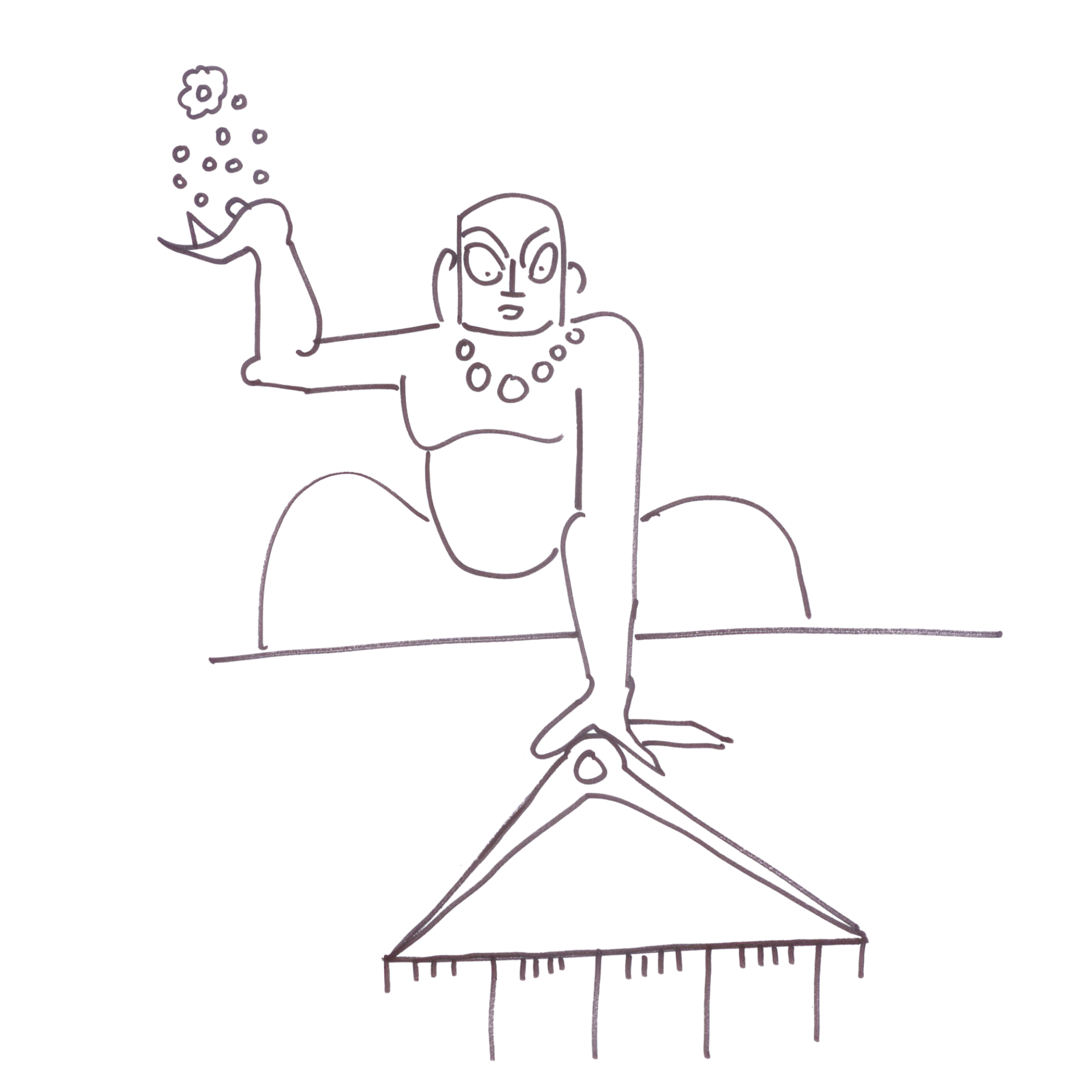
Rishi Ashtavakra was called Ashtavakra because his body was deformed and twisted in eight areas. This was the result of a curse uttered by his own father, Kahoda. While he was in his mother’s womb, Ashtavakra had overheard his father converse with his mother on the nature of Vedic truths as expressed in various Vedic hymns. Even before he was born, he had understood the secrets of Vedic hymns. So good was his understanding that, one day, from his mother’s womb, he spoke and corrected his father. “Perhaps,” he said, “the same hymn can be interpreted in this way, father.” Rather than being appreciative of his son, the father was annoyed. “May this oversmart child of mine be born deformed with eight twists in his body,” said the father.
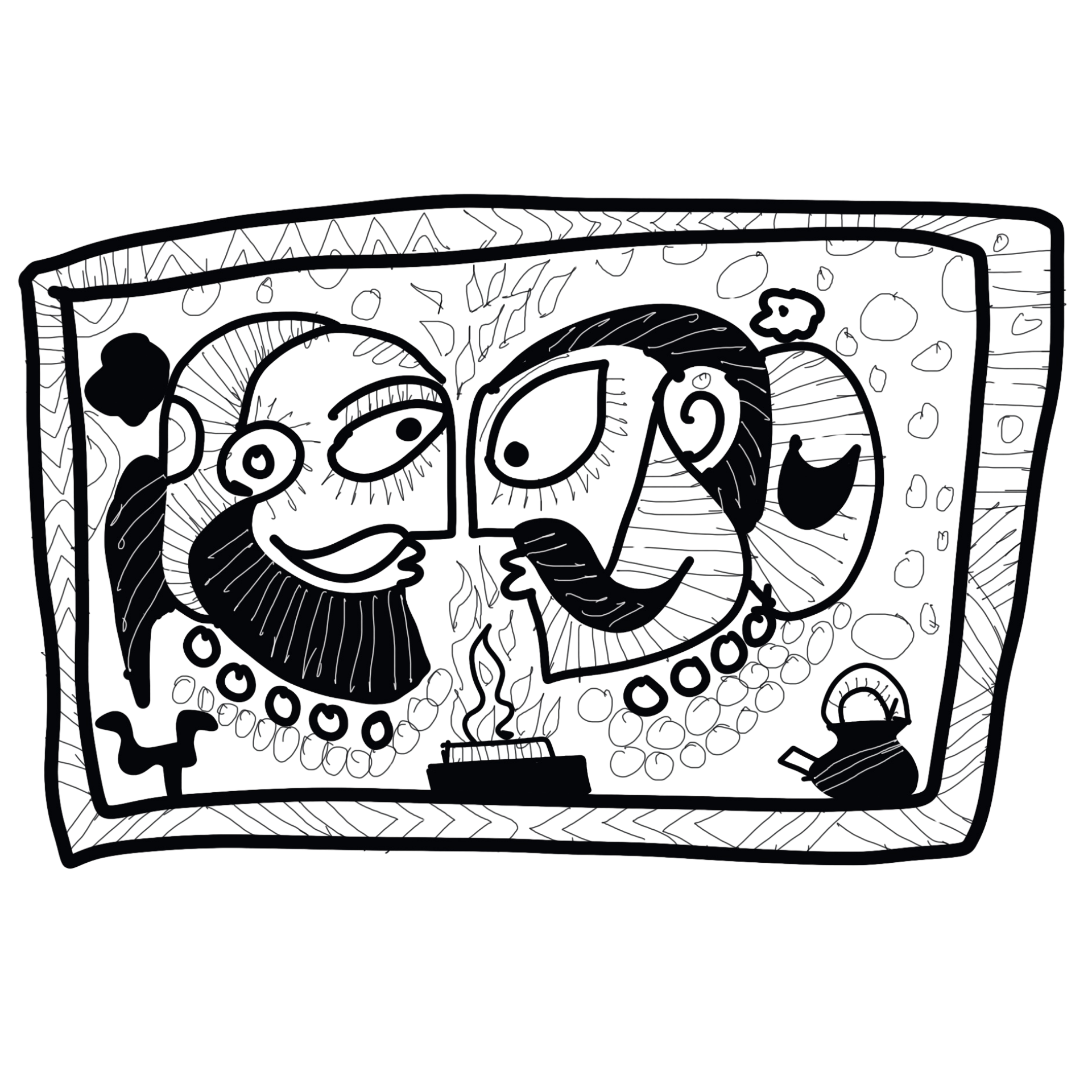
Before his son was born, Kahoda went to the court of king Janaka to participate in a public debate. The condition of the debate was that the loser had to die. Kahoda, who thought greatly of his wisdom, participated in the competition but he lost the debate to a sage called Bandi and was forced to kill himself. When Ashtavakra grew up and learnt about the fate of his father, he decided to participate in the same public debate in Janaka’s court. He won the competition and Bandi was forced to kill himself. “Forgive me,” said Bandi. “Only if you can bring my father back to life,” said Ashtavakra. Bandi managed to do so. Thus Ashtavakra not only avenged his father’s humiliation, he also brought his father back to life. Janaka commented that Kahoda was lucky to have a son as brilliant as Ashtavakra. To this Ashtavakra said, “While you, Janaka, appreciate my wisdom, that very same wisdom had made my father insecure.”
This ancient story draws attention to the envy of the father for his son, or the envy of a teacher for his student. Kahoda is the boss, the coach, the mentor, who nurtures talent under him. Ashtavakra represents that unusually bright subordinate one sometimes get to coach or mentor. It takes a lot of self-assurance for a mentor to admit that the student is better than him. By the law of averages, such brilliant students are few and far in between and when they make themselves known they usually face great hostility from those around them and especially the mentor. Few mentors can handle a student who is better than them.
Manohar is a senior partner in a law firm. He has nurtured many young attorneys under him. But he nurtures only those who are inferior to him. As a result his team is full of rather mediocre lawyers who look to him for direction. He is the sun; the rest are the planets, reflecting his glory. The moment Manohar sees talent he feels threatened and he kicks them out of his team, often without even a good reference. As a result, over the years, he has lost out on the best people who could have made his practice the best in town.
Manohar is like Kahoda threatened by his own son, Ashtavakra. By contrast, Jacob, who also has a law practice in the same city believes in attracting talent. He believes, one must hire people who are better and bigger than oneself otherwise one will end up with a company of dwarves. He knows he is not the best and believes there are better talents out there. He wants to provide a ‘womb’ where such talent can be nurtured, for the benefit of his own firm, and if they leave his firm, for the benefit of the industry. Jacob is like Janaka. The best minds come to his court and thrive.
In a dog-eat-dog world of corporations, when a junior can overtake his senior, coaches and mentors are often threatened by team members. The result is an organization which is full of many more Kahodas than Janakas, to the detriment of Ashtavakra. Organizations have to constantly keep an eye to ensure that leaders are more like Janakas and less like Kahodas because the future fate of the organization depends on the brilliance of Ashtavakras.