Published on 4th January, 2015, in the Mid-Day.
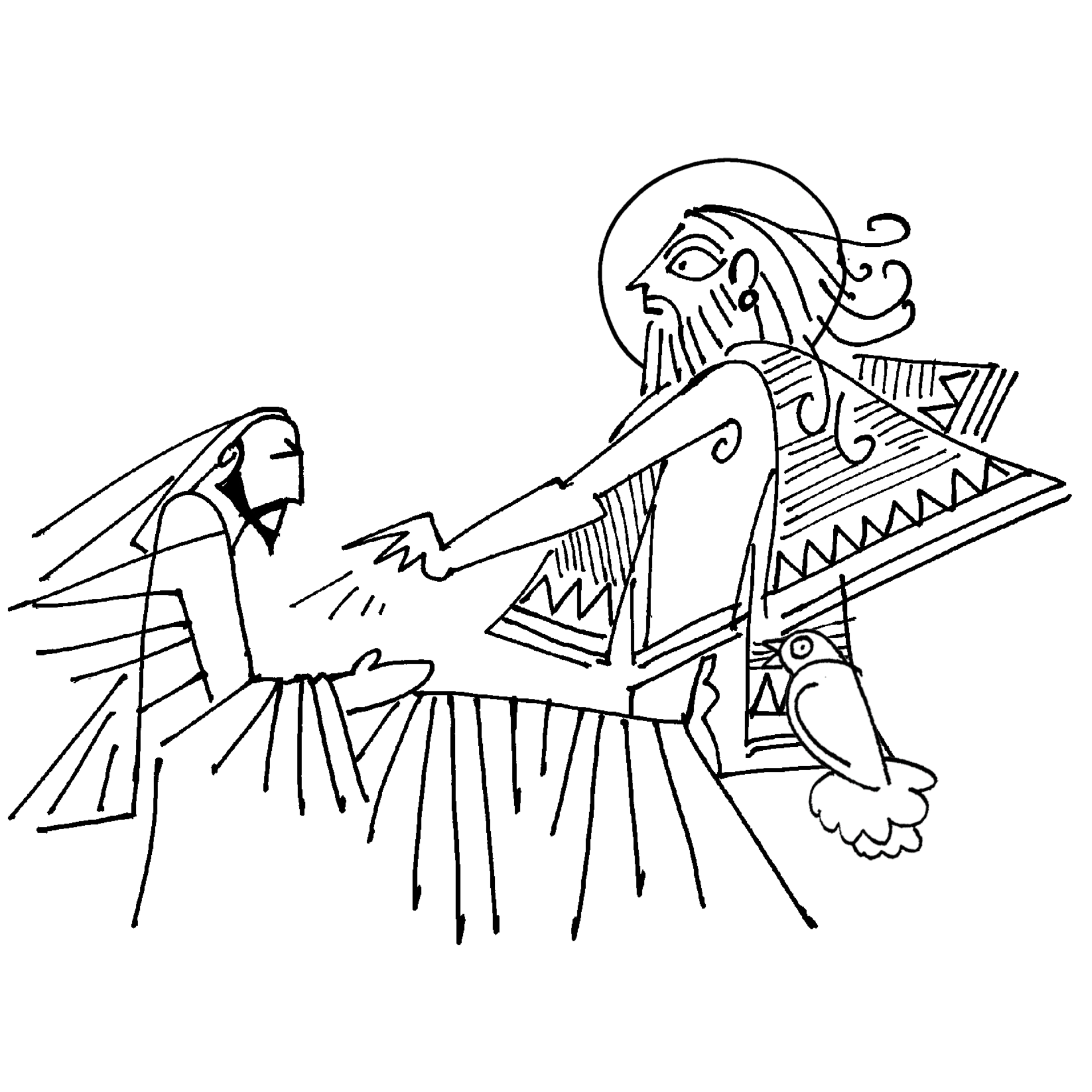
This is what Alok Sanjar, a BJP MP from Bhopal (allegedly) said according to a leading daily, “I was reading Krishna when I went through a memoir. A man asks Lord Krishna when should one have sex? The reply was ‘for birth of a child’. The man asked what if he wanted to have more? The reply was ‘once in 12 years’. The man insisted again to have the reply of ‘once in six years’. When he asked again, the reply was ‘once in a year’. Then the reply was ‘once in six months’ and then ‘once in a month’. But when the man asked again what if he was not satisfied, then Lord Krishna said one should do this with a shroud (qafan) by his side.”
I had never read about this negotiation in any Purana or heard it any oral tradition. But I found it remarkably similar to an Islamic tale about how many times Muslims should pray.
According to Sahih Al-Bukhari (5.227), one of the major hadith collections of Sunnis: “They were asked to offer 50 prayers a day. When I returned, I passed by Moses who asked (me), ‘What have you been ordered to do?’ I replied, ‘I have been ordered to offer 50 prayers a day.’ Moses said, ‘Your followers cannot bear 50 prayers a day, and, by Allah, I have tested people before you, and I have tried my level best with Bani Israel (in vain). Go back to your Lord and ask for reduction to lessen your followers’ burden.’ So I went back, and Allah reduced 10 prayers for me. Then again I came to Moses, but he repeated the same as he had said before. Then again I went back to Allah and He reduced 10 more prayers. When I came back to Moses he said the same, I went back to Allah and He ordered me to offer 10 prayers a day. When I came back to Moses, he repeated the same advice, so I went back to Allah and was ordered to offer five prayers a day. When I came back to Moses, he said, ‘What have you been ordered?’ I replied, ‘I have been ordered to offer five prayers a day.’ He said, ‘Your followers cannot bear five prayers a day, and no doubt, I have got an experience of the people before you, and I have tried my level best with Bani Israel, so go back to your Lord and ask for reduction to lessen your followers’ burden.’ I said, ‘I have requested so much of my Lord that I feel ashamed, but I am satisfied now and surrender to Allah’s Order.’ When I left, I heard a voice saying, ‘I have passed My Order and have lessened the burden of My Worshippers.”
The similarity brought a smile to my face. More so because one source was Hindutva and the other was from the (alleged) rival camp – Islam. How similar people are around the world, in different times, in different places, for all their apparent differences. We all want to negotiate with God. By claiming an idea that comes from God, we get people to align to our wishes. We are all human eventually.