Published on 28th November, 2014, in The Economic Times.
In a wolf pack we find collaboration and competition. The wolves collaborate to hunt a deer. After the hunt is complete they compete for the flesh, with the alpha taking the biggest bite. In a deer herd also we find collaboration and competition. The deer collaborate to protect the young from predators. But they compete as to who is at the front of the herd (safest spot) and who is the laggard at the back and who is in the flanks.
Management today gives us mixed signals. What is better? To be collaborative or competitive? There is talk of how employees should collaborate with each other yet there is reward and recognition on the basis of meritocracy, which evokes intense competition between colleagues. Why would I collaborate with someone who will eventually take the credit as team leader and become my boss?
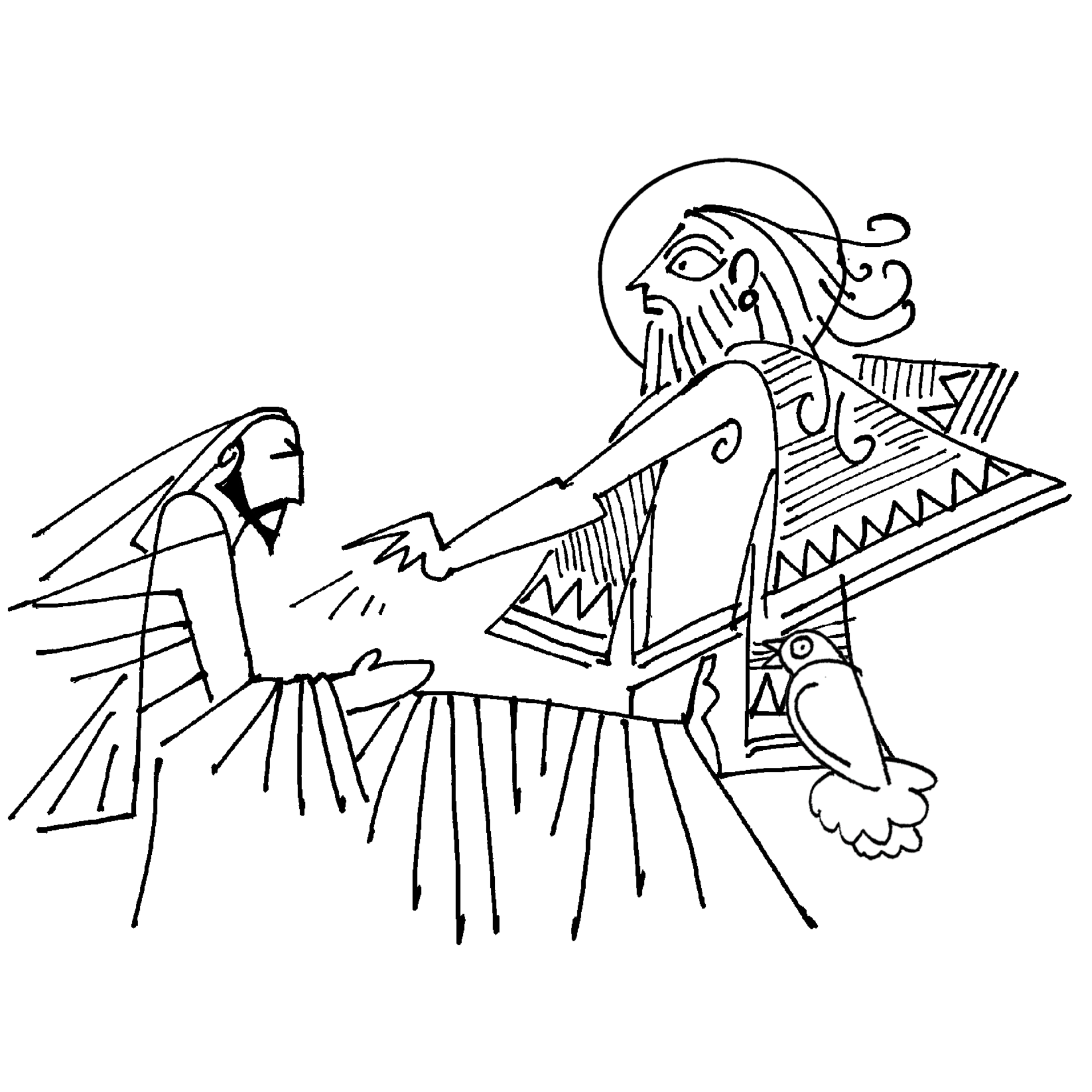
In the Ramayana, Ram does not compete with his brothers and gives up all claims to the kingdom, something that is mirrored by his half-brother Bharat too. Ravan, on the other hand, competes with his brother Kubera, eventually drives him out of Lanka and lays claim to the city.
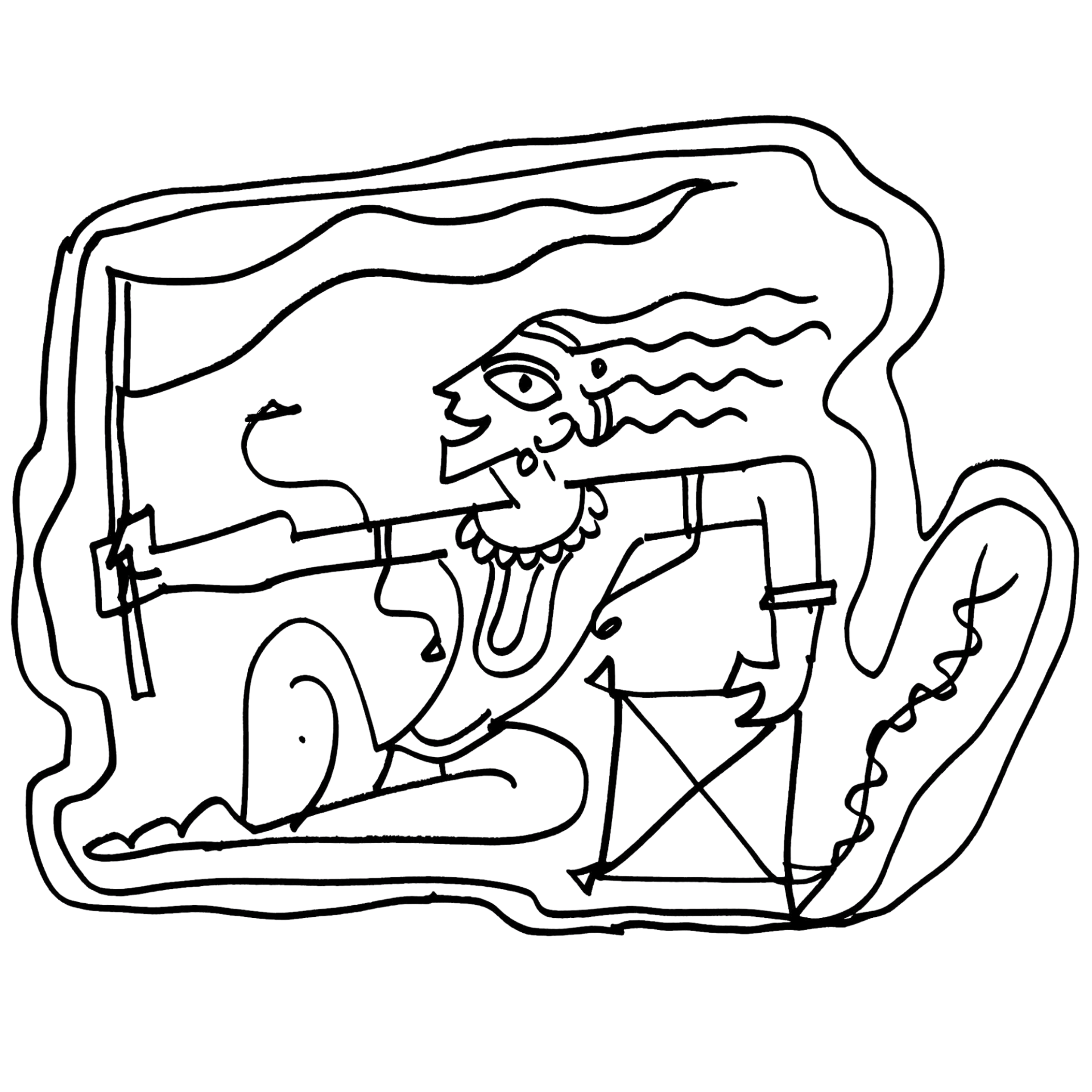
In the Mahabharata, the Pandavas collaborate with each other, sharing kingdom and wife, and standing up against Kauravas. They are unable to collaborate with the Kauravas. And there is a hint of resentment at being forced to collaborate with each other, for Arjuna gets only 20% of the wife he wins as trophy in an archery contest. No one asks Draupadi, wife of the five Pandavas, what she wants. Whether she wants the winner of the competition (Arjuna) or the participants of the collaboration (Pandavas). Competition between Pandavas and Kauravas results in her public humiliation. Collaboration amongst Pandavas enables her to avenge that humiliation.
Both competition and collaboration has its advantages. Competition helps us identify who is the strongest and smartest. Collaboration enables us to take advantage of everybody’s talents.
Both competition and collaboration has disadvantages too. Competition weeds out the weak, creating an ecosystem of extreme insecurity. Collaboration gives room to the weak, creating an ecosystem of complacency amongst those with little talent and frustration amongst those with a lot of talent.
The danger we face in organisations is not recognising both as forces, each with its place in the jungle that is the market. We find people evangelizing collaboration over competition, or vice versa. Some project collaboration as feminine and good and competition as masculine and bad. Some project collaboration as the answer to life’s problems as it is more inclusive and respects diversity. Others project collaboration as the game of sissies, a safety valve for those who cannot compete.
It all depends on context. In some markets we need competition. Here teamwork is essentially alignment to a single goal. In some markets we need collaboration. Here teamwork is about making oneself dependable to others. In the former, we are part of the solution that has already been figured out. In the latter, we are part of the team that figures out the problem and finds the solution.
In the MBA ecosystem of the corporate world, where ambitious highly paid professionals are hired for doing top jobs, where being CEO is aspirational, it is foolish to expect collaboration. Most see themselves as alpha and want only a pack, or herd, that bows to their will. They will at best bow to who they consider to be an alpha, and will collaborate after submission, out of deference, to please the alpha. The alpha is not indicated by the designation. It is a function of capacity and capability. If the ambitious highly paid professional discovers that the person he reports too is not good enough, he goes out of his way to prove his incompetence (usually through non-collaboration, and even subversion). In other words, he competes for the top job by proving his boss cannot collaborate and build a team.
Management with its obsession for processes ignores the people love power. Power makes them feel secure. Security can either come from being the dominant one who directs others or the submissive one who is given clear directions by the dominant one. Skills notwithstanding, not everyone has the capability to compete or collaborate. Some find competition highly addictive. Others find collaboration highly comforting. To expect people to switch from one mindset to another, at the will and whim of the management, is perhaps expecting too much.