
Mythologist | Author | Speaker | Illustrator

-
Articles
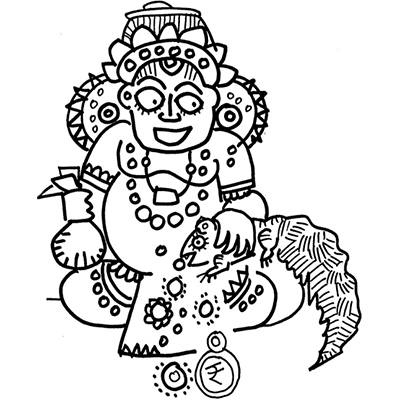
Lakshmi Helps Us Define Who’s God and Who’s Not
Published on 4th October, 2019, in Economic Times Everyone needs, and wants Lakshmi in Hindu mythology: Devas, Asuras, Rakshasas, Yakshas. But each one’s relationship with wealth is different. Some like Ram and Duryodhana are lucky, they are born in rich families. Ram is a positive, divine character, in the Ramayana but Duryodhana is a villain,…
-
Articles

Goddess of Economics: Money Has Value Only When It’s Circulated
Published on 21st September, 2019, in Economic Times Buddhism is a religion where you are told that desire is the cause of suffering, where we hear of Buddha giving up his kingdom to become the great awakened one. Yet, at the stupa where he is remembered, we find some of the earliest images of the…
-
Articles
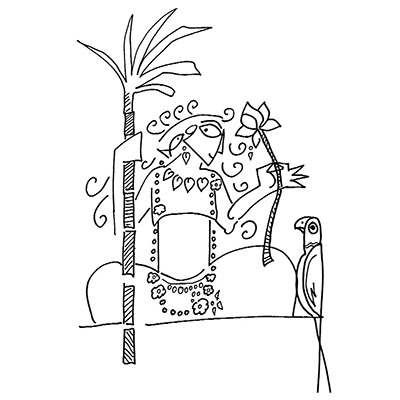
How we are motivated by Kama and propelled by Yama
Published on 6th September, 2019, in Economic Times Shiva is called the destroyer because he destroys our desire–Kama, and he destroys death itself–Yama. Kama is associated with life, and Yama with death. Shiva destroys both the desire for life and the fear of death and thus he is the god of liberation or ‘moksha’. Imagine…
-
Articles

Playing cards to win whimsical Lakshmi
Published on 23rd August, 2019, in Economic Times The word ‘Lakshmi’ comes from the word ‘laksh’ which means target. Inanimate objects don’t have targets: a rock has no target, the river has no target, clouds have no target, but all living creatures do have a target. All living creatures look for food; if they don’t…
-
Articles

Business in life is successful when it gets repeat orders.
Any business in life is successful when it gets repeat orders. Published on 9th August, 2019, in Economic Times What makes a temple successful: success being measured as the number of people who worship there. There are numerous temples in India. Some temples are more popular than others, even if they are located in faraway…
-
Articles
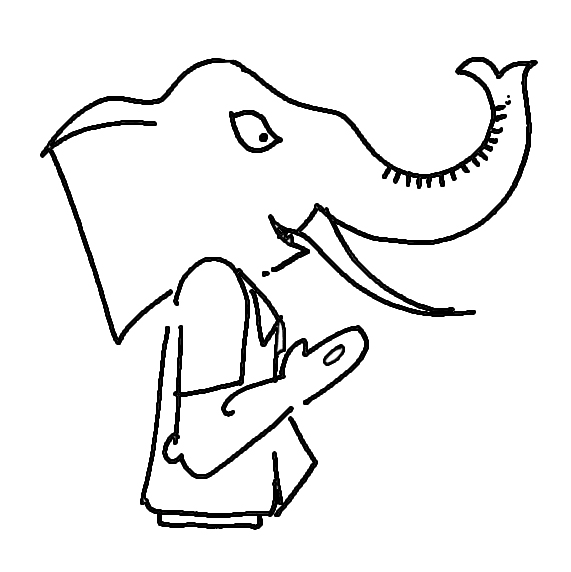
Managing the boss in India
Published on 26th July, 2019, in Economic Times A friend from Southeast Asia once told me that the Chinese have had a civil service and bureaucracy for over a thousand years, complete with a civil service exam. The success of this bureaucracy is based on respect for hierarchy. It is not based on the individual,…
-
Articles
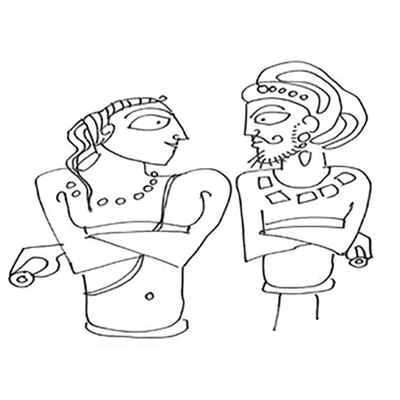
Lesson for corporate world from Chanakya about talented enemies
Published on 13th July, 2019, in Economic Times The story of Rakshas (name of man, not to be confused with mythological demons) comes to us from a Sanskrit play called Mudrarakshas, which is roughly 1,500 years old. It is based on events that took place in India, 2300 years ago. Legend has it that when…
-
Articles
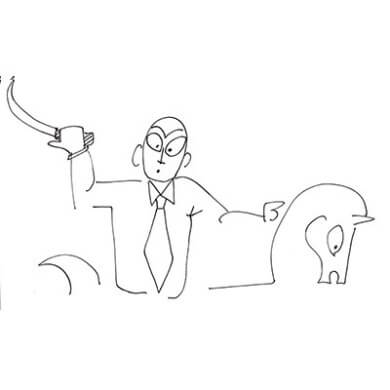
Is Shiva the corporate destroyer or Kalki?
Published on 15th June, 2019, in Economic Times. Kalki, the tenth avatar of Vishnu, is very popular amongst young people, who visualise him as an Avenger, part of a cosmic end game. He is visualised as riding a white horse, brandishing a fiery sword, cutting down people. The story about Kalki is not very wellknown;…
-
Articles

War-room culture celebrates violence where competition is seen as the enemy
Published on 31st May, 2019 in Economic Times. Many corporate houses love to have a ‘War Room’ in their office. It is a glamorous and much publicised thing whether you are planning a new strategy or have a special project that needs to be done quickly, often a turnkey project, a market intervention, even an…
-
Articles

Is Yoga about achievement or awareness?
Published on 18th May, 2019, in Economic Times One of the key differences that one finds between the yoga that is popular in the West and that which is taught by traditionally trained Indian gurus of India is the idea of achievement. In the West, yoga is marketed as an achievement: the achievement of a…
-
Articles

Mantra for VUCA markets: Adapt rather than align
Modern Management is not based on rationality. It is based on two mythic constructs. Both these constructs originate from the West. The first is the Biblical construct and the second is the Greek construct…
-
Articles

For all its noble aspirations, social media is pure business.
To make money, you need access to markets. To gain access to markets, you need to make sure that the controller of the market favours you. If the controller of the market shuts the door on you, you have no opportunity to enter the market…
-
Articles

Validating human existence through the Indian scheme of things
In the Vedas, they say that Artha is about generating food, by creating goods and services. While Kama, is satisfying this hunger. In Dharma, we consider the hunger of others and, in Moksha, we outgrow our hunger…
-
Articles

#MeToo in Mahabharata: Political needs were placed over Draupadi’s security
The story, an interlude in the otherwise royal saga, draws attention to how staff, especially female staff, are treated in organisations by people in positions of power…
-
Articles
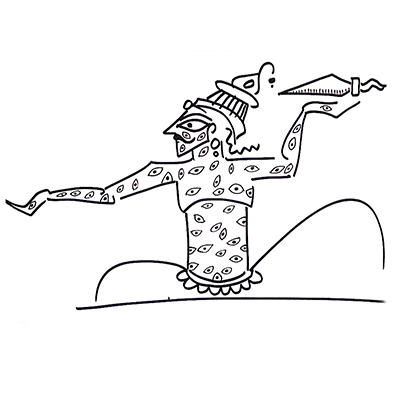
No definite article in Indic culture
A word like Satya, does not mean the truth, it means infinite truth. Mithya, doesn’t mean falsehood or interpretations or perceptions, it means limited or finite truth…
-
Articles

View: Power has an inherent interest to keep things secret
Published on 6th October, 2018, in The Economic Times. A simple way to harness power is to keep a secret. This tendency, of being covert, has been used across time and space, around the world, in myth and in reality, in politics and in romance. Take for example, the idea of the Electoral Bonds: Although…