
Mythologist | Author | Speaker | Illustrator

-
Articles

Of hunger in heaven
We realise the three Swargas in Hindu mythology are designed very differently from the single heaven of Abrahamic mythology…
-
Articles

Validating human existence through the Indian scheme of things
In the Vedas, they say that Artha is about generating food, by creating goods and services. While Kama, is satisfying this hunger. In Dharma, we consider the hunger of others and, in Moksha, we outgrow our hunger…
-
Articles
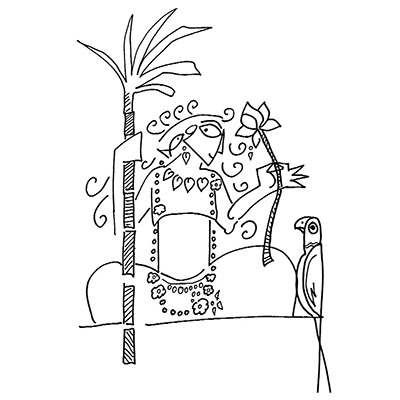
India’s erotic tradition
Ancient texts describe, without any moral judgement, various ways through which women and men can have pleasure…
-
Articles

Nachiketa’s question
Yama said it was a very difficult question to answer, even the gods were not sure of the answer…
-
Articles

The sacred form of Kashi
In Kashi, the river Ganga, which normally runs from the Himalayas to the sea in the south, takes a turn and moves northwards. This reverse flow of the Ganga is considered spiritually significant because it is believed that one can manifest certain tantric ideas in such places…
-
Articles
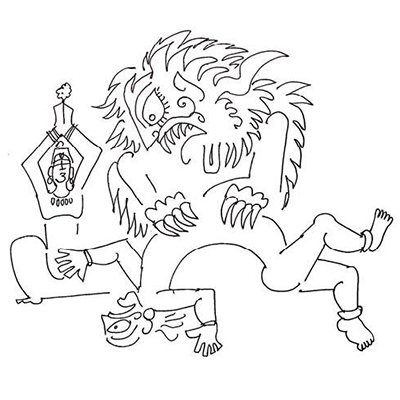
Son of an asura
Because Hiranyakashipu receives a boon from Brahma, he cannot be killed by any human or animal, either inside or outside a dwelling, at day or at night…
-
Articles

Dhruva Or The North Star
In this story, there are many layers. One level becomes an etiological myth: how a country explains why the Pole Star is fixed in this position…
-
Articles
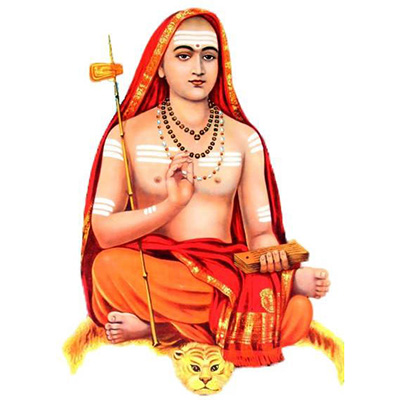
Who is a Hindu? The importance of Ubhaya Bharati
The scholar taught Adi Shankaracharya that one cannot gain real wisdom without understanding the household, the body and the woman…
-
Articles

Bypassing the womb
In Puranic literature, we come across the concept of ayonija, someone who is not born from the womb, and consequently, is able to bypass or rise above the cycle of birth and death…
-
Articles

On Diwali, understanding the nature of wealth through the mythology connected with goddess Lakshmi
Editor’s note: “The living (sajiva, in Sanskrit) seek food, the lifeless (ajiva) and the dead (nirjiva) don’t. This makes food the fundamental target (laksh) of life. From laksh comes Lakshmi. Lakshmi is food (anna) in nature and wealth (dhana) in culture,” writes Devdutt Pattanaik in his book 7 Secrets of the Goddess (published by Westland).…
-
Articles

Who is a Hindu? Hindu ship of Theseus
Traditions may change every few years, but one school of thought says the essence of Hinduism will remain the same…
-
Articles

Ancient incest in the sky
In the Vedas, long before people knew about gods such as Shiva, Vishnu and Brahma, there was a story of how the god of heaven committed incest with the goddess of dawn, his daughter…
-
Articles
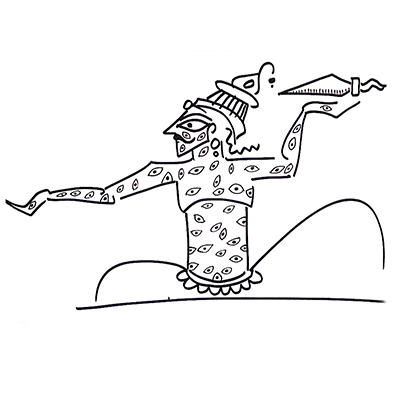
No definite article in Indic culture
A word like Satya, does not mean the truth, it means infinite truth. Mithya, doesn’t mean falsehood or interpretations or perceptions, it means limited or finite truth…
-
Articles

The nymph and the hermit
The most visible form of connecting with the material world is the sexual act…
-
Articles

Who is a Hindu? The forest of sacred stories
Puranas introduce us to the classical Hindu trinity of Brahma, Vishnu and Shiva and their spouses — goddesses Saraswati, Lakshmi and Parvati…
-
Articles

Mountain of Vedas
Through stories of the mountain of Vedas and the blinking gods, Hindus were made aware of the scale of the universe and its wisdom, very different from the finite, closed word of ancient Greeks, inherited by the church…