Mythologist | Author | Speaker | Illustrator

-
Articles
Aryans of the Freedom Struggle
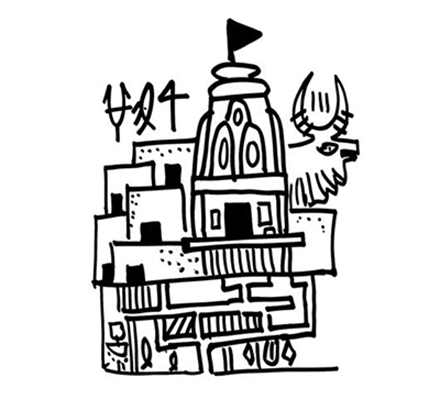
Published on 15th March, 2020, in Mumbai Mirror The British had long justified colonisation using different stories. Before the 1857 Uprising, they said British were saving Hinduism from oppression of Muslim rulers. They propagated the lie that they were using Indian soldiers in Afghanistan not for Company interests but to get the doors of the…
-
Articles
A Brief History of Goddess Worship
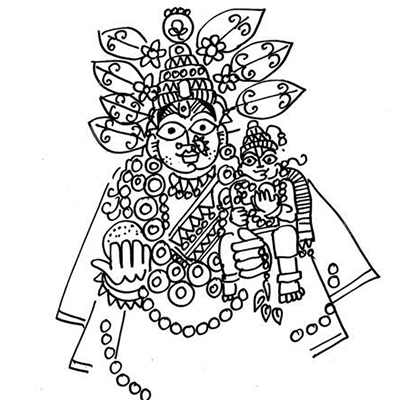
Published on 8th March, 2020, in Mid-day Harappan civilisation, which thrived over 4,000 years ago, had seals of as-yet-unidentified goddesses emerging from trees, and goddesses riding tigers. Vedic religion that thrived 3,000 years ago however, was primarily a masculine religion dominated by worship of Indra, Varuna, Agni and Soma, even Prajapati. Goddesses play a generally…
-
Articles
From Square Harappa to Circular Mandala
Published on 23rd February, 2020, in Mid-day Hindutva historians insist that the Harappan cities, that thrived 4,500 years ago across Punjab, Sindh, Rajasthan, and Gujarat, were full of Aryas chanting Vedic hymns and pouring ghee in fire altars made of brick. These convoluted theories have not accepted in any peer reviewed international journal—but this is…
-
Articles
Pakistani Mythology
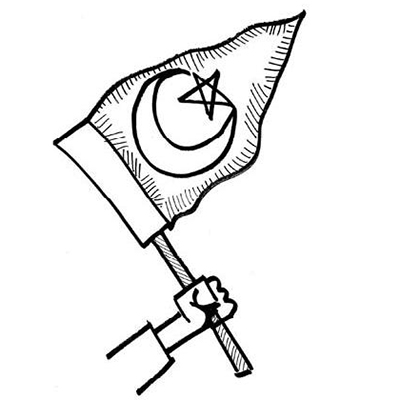
Published on 3rd November, 2019, in Mid-day Pakistan was the first modern republic to declare itself ‘Islamic’. It imagines itself as the Eastern edge of Arab civilisation, when in fact, it is the Western edge of Indian civilisation. No Pakistani can buy land in Saudi Arabia, get a Saudi Arabian passport or marry a Saudi…
-
Articles

What Puranic historians won’t accept
Published on 18th September, 2019, in The Hindu A study has shown that there is no evidence of Steppe genes in Harappa according to analysis of DNA found in Rakhigarhi. This has led to the claim that Harappan civilisation was indigenous, 100% Indian, not shaped by any foreign influence whatsoever. Since many Puranic historians are…
-
Articles

Harappan and Aryan Roots of Rig Veda
Published on 15th September, 2019, in Mid-day DNA studies are now showing that Harappans did not have genes of steppe pastoralists (Aryans). But these Aryan genes are found in about 30 per cent of the Indian population. This means the Aryans came after Harappan cities had collapsed. They did not invade Harappa, but many Aryan…
-
Articles

Mythology of Harappa
Published on 8th September, 2019, in Mid-day The Harappan civilization thrived between 2500 BCE and 1900 BCE, lasting six centuries, existing 4,000 years ago. In these cities, we find seals with images that give a tantalising glimpse of a mythology that may thrived in those cities before the arrival of Indo-European myths 500 years later,…
-
Articles

Unspoken language of village gods
Published on 21st July, 2019, in Mid-day If you want to understand the village gods of India, you must understand what defines a living creature. The fundamental difference between a living creature and a non-living creature is that a living creature seeks food. Plants seek food, animals seek food, humans seek food. In other words,…
-
Articles
The non-violent Ram: Stories from the Jain tradition – and how they differ from the Hindu canon
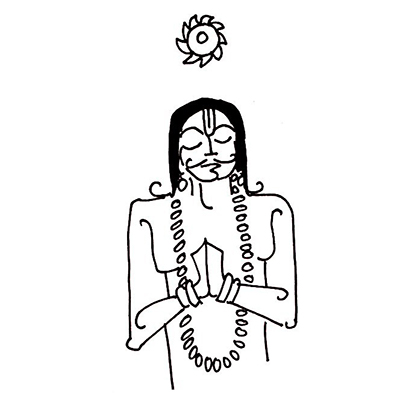
Published on 12th May, 2019, in Mumbai Mirror Followers of Hindutva believe that Jainism is just a branch of Hinduism, despite the fact that it is deemed a minority religion in India’s Constitution. They often use the phrase Sanatan Dharma as an umbrella term to include both faiths. While there are no doubt many things…
-
Articles
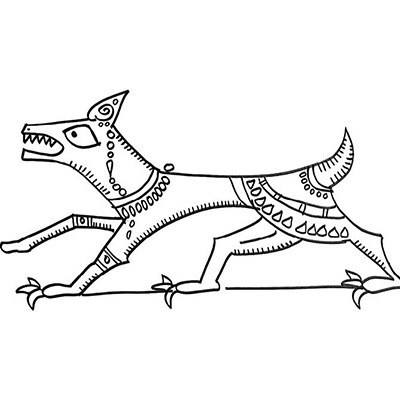
Dogs of the gods
Published on 28th April, 2019, in Mid-day. In traditional Hindu society, dogs are considered inauspicious. This is most evident in dharma shastras, which were put together about 2,000 years ago. Dogs were associated with death, as well as with pollution and, therefore, belonged to the periphery of society. Dog-eater was a common way of describing…
-
Articles

How India lost its rich maritime tradition to Europeans
Published on 22nd March, 2019, in Economic Times. Sea travel is mentioned in the Buddhist Jataka tales but not in the great epics Ramayana and Mahabharata, perhaps because the former was patronised by mercantile communities (vaishyas) and the latter by landed gentry (kshatriyas). Sailors from India travelled along the monsoon winds to Southeast Asia and…
-
Articles
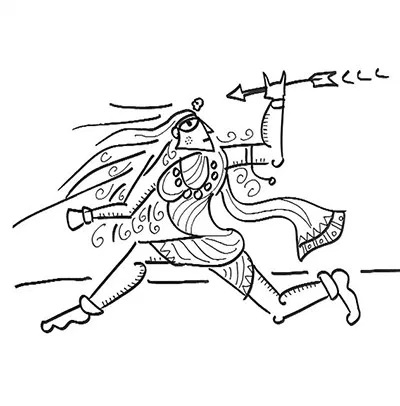
Even the Gods played sport
We can safely say that sport in India began in both agricultural communities as well as martial communities…
-
Articles
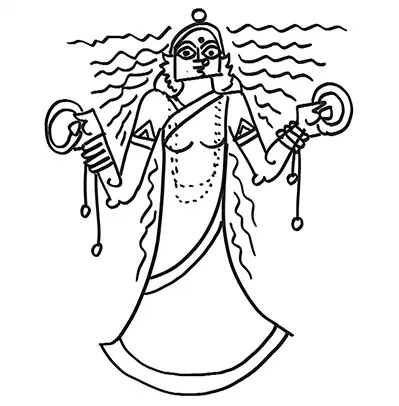
Epics about Women
In the Tamil epics, we see three kinds of women: the woman who has relationships with many men, the woman who has a relationship with one man, and the woman who has relationships with no man…
-
Articles

Who is a Hindu? Always and everywhere
The notion that religious texts have always been around may be rooted in the timelessness of philosophies…
-
Articles
Decoding Ganesha: it is difficult to reduce him to a signpost of a single idea
Bachelor or polygamous? Ancient god or contemporary Buddhist icon? Ganesha, like Hinduism, refuses to be reduced to a single idea…