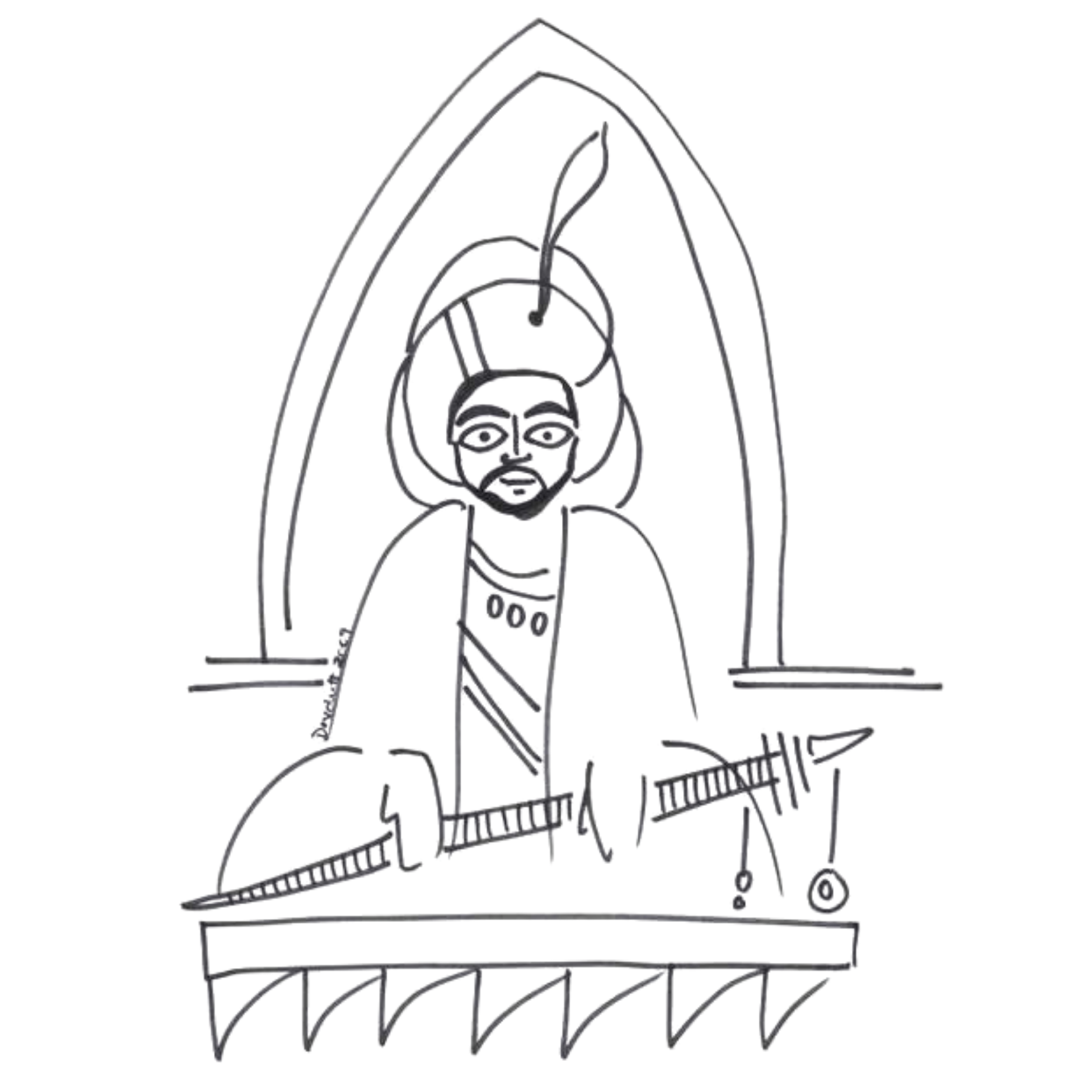
Long before contemporary communal politics, most people were familiar with stories of how Muslim Sultans raided temples. This is something that most Hindus have heard, since childhood, when they visit a temple. When you go to Odisha, common folk talk of how Kalapahada attacked the Jagannath temple.
When you go to Ujjain, you hear how Altamash attacked the Mahakal temple. When you go to Tamil Nadu, you hear how Ulugh Khan attacked the Srirangam temple. Of course, dominating all these narratives is the attack of Somnath by Muhammad of Ghazni.
When you read temple chronicles, such as Koil Olugu, it describes the great massacre of devotees in the temple of Srirangam. It narrates how the fixed image in the temple had to be sealed off and the mobile images were hidden. It was kept away from the city, until it became safe enough for its return.
Similar stories are found in the temple chronicles of Jagannath called Madala Panji. These describe how invaders attacked the temple. They burned the images. Some images were taken out of the temple and hidden in caves. They had to be brought back when the invaders left.
As a counter to this, a lot of historians argue that attacking temples was very common in mediaeval times. Hindu Kings also attacked temples of each other. They did so to display power. Temples were centres of political power, so attacking temples was more a political manoeuvre than a religious one.
It seems as if historians are saying that a Muslim attack on a Hindu temple is no different from a Hindu king’s attack on a Hindu temple. They are saying these attacks must not be seen through the lens of religion, but through the lens of politics. But is that really so? Is the Muslim king’s attack on a Hindu temple the same as a Hindu king’s attack on a Hindu temple?
In the 14th century, the queen from the Vijayanagar dynasty, wrote Madura Vijayam. It describes how her husband defeated the Madurai Sultanate and restored the temples of Srirangam to their former glory.
About 100 years later, we have another document which was composed in Odisha. It was called Kanchi Abhijan or the expedition to Kanchi. In this story, we hear of how the Gajapati of Odisha attacks Kanchi. When you read this story, there are no conversations on the desecration of the gods. There is a lot of discussion on power, caste, social hierarchy and marriage.
The king of Kanchi did not want his daughter to marry the Gajapati King. The Gajapati performs a ritual in the temple ceremony that is usually conducted by members of lower castes. Though the king sees this as an act of humility, he refuses to give his daughter, and this is what triggers the war.
As per local legend in Puri, Odisha, the king is helped by Jagannath himself. The king believes this because a milkmaid informs him that ahead of his army ride two youths. A dark youth on white horse and a fair youth on a dark horse serve as scouts to the king. The king immediately recognizes these as symbols of Jagannath.
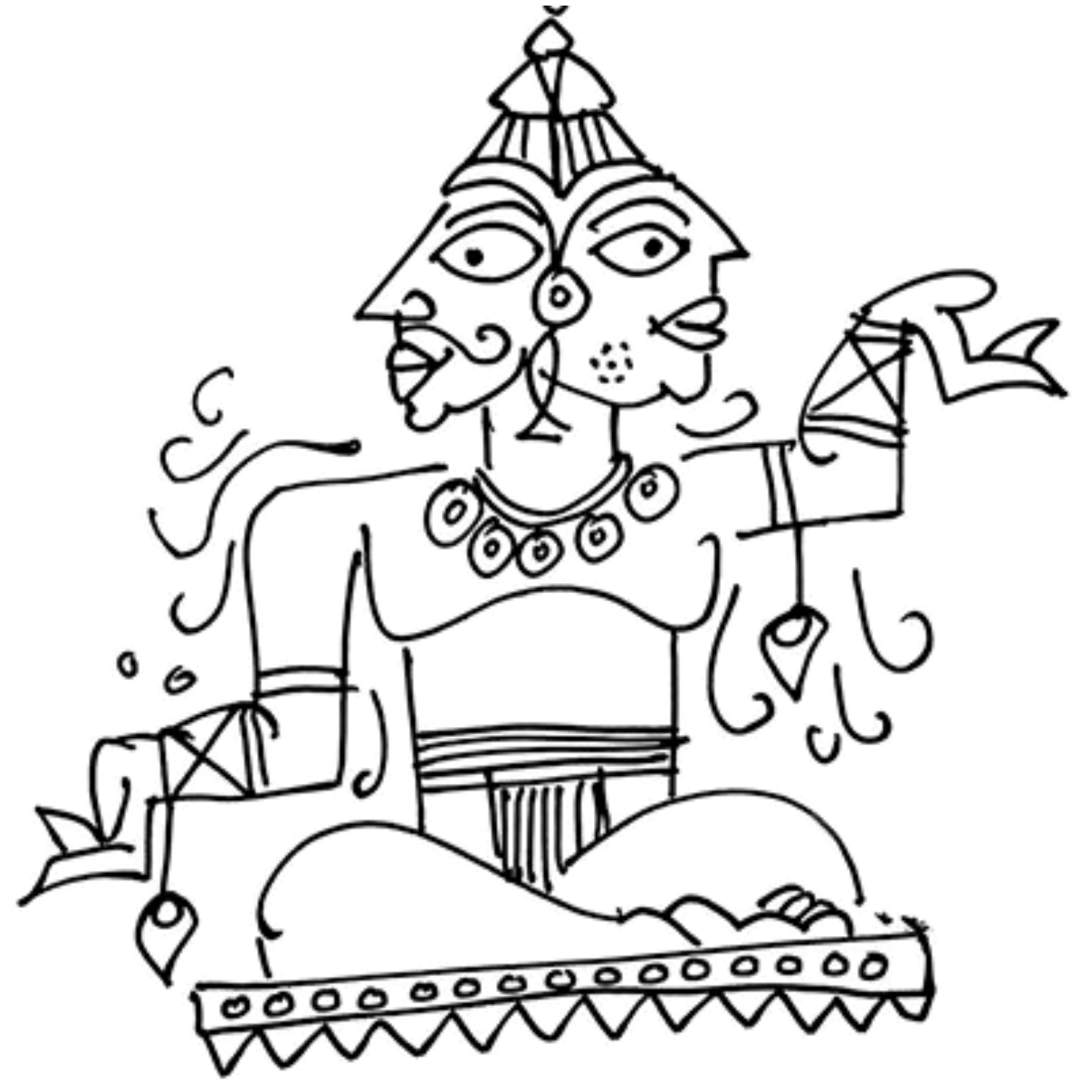
In local lore, it is said that the king of Kanchi was supported by Ganesha. This indicates they were Shaivaites. Ganesha let loose his rat against the Gajapati army. Jagannath helped the Gajapati army by creating a cat who attacked Ganesha’s rat. While these stories talk of conquest and plunder of Hindu kings on Hindu kingdoms, it is almost like a quarrel within the family. We know that when the Cholas attacked Odisha and Bengal in the 10th Century, the Chola king brought back with him statues of Shiva, from the two states. They are now found in South India. When the Gajapati King attacked Kanchi, he took back the Kanchi Ganesha. It is still in the Jagannath temple complex, along with other images of deities which were worshipped in many villages across India.
This worship of the enemy’s deities indicates that they were not seen as false gods. They were seen as manifestations of the King’s power which were perhaps not as strong at the time of the attack. It is important to distinguish this subtle difference between what happens when a Hindu king attacks a Hindu king versus what happens when a Muslim king attacks a Hindu king. The analogy is never so simple.
It is known that images of gods worshipped by ‘infidels’ were collected and displayed in Arabic countries to show the spread of the true faith, similar to how these images reached the museums of Europe during the colonial era. In the fight between Hindu kings, the power of the deity was being subordinated, not denied. But when Islam, and later Christianity, attacked temples — they were trying to erase ‘false’ gods. The two cannot be seen with the same lens.
While we want to reduce communal tensions created using history, we should not try to overstretch a point to make it seem like Muslim invasions did not bring about a major cultural shift in India’s past. When academicians turn into activists, and try to reframe history to suit a particular politics, they end up eventually breeding the worst forms of politicians. These politicians take full advantage of the creative liberties taken by misguided academicians. They dismiss all academia’s scholarship and that is a dangerous trend.