In the 19th Century, UV Swaminatha Iyer found palm leaf manuscripts of poetry in Chennai written in very old Tamil. He discovered what we call today “Sangam Literature”, the oldest Tamil poetry between 300 BCE and 300 CE, the same period where the Mahabharata, Ramayana, and the Dharmashastras were compiled in North India. Here, women are ever-present, as wives and queens and heroines.
By contrast, the Vedas (1000 BC), the Brahmanas (800 BC), and the Upanishads (600 BC), women are conspicuous by absence. There might be Ushas, the goddess of dawn, but out of 1,028 hymns, only 40 are dedicated to her. Aditi, mother of gods, is in the background. The Durga in Durga Suktam is not about Durga as much as it is about power, and is closely linked to Agni. The Shri Suktam is not about Lakshmi; it is about prosperity. These hymns are far more conceptual. The goddess form came much later. Their association as wives of gods even later.
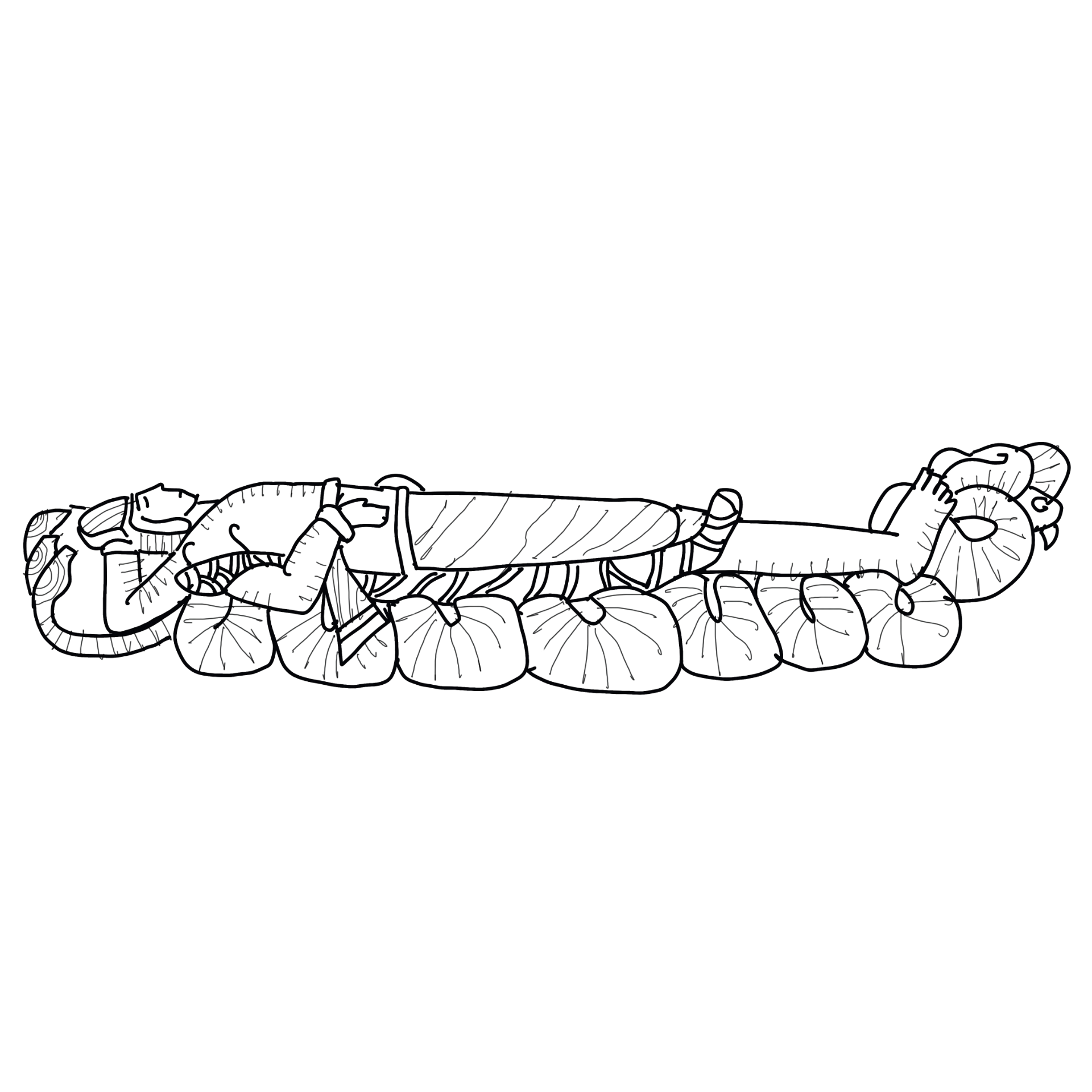
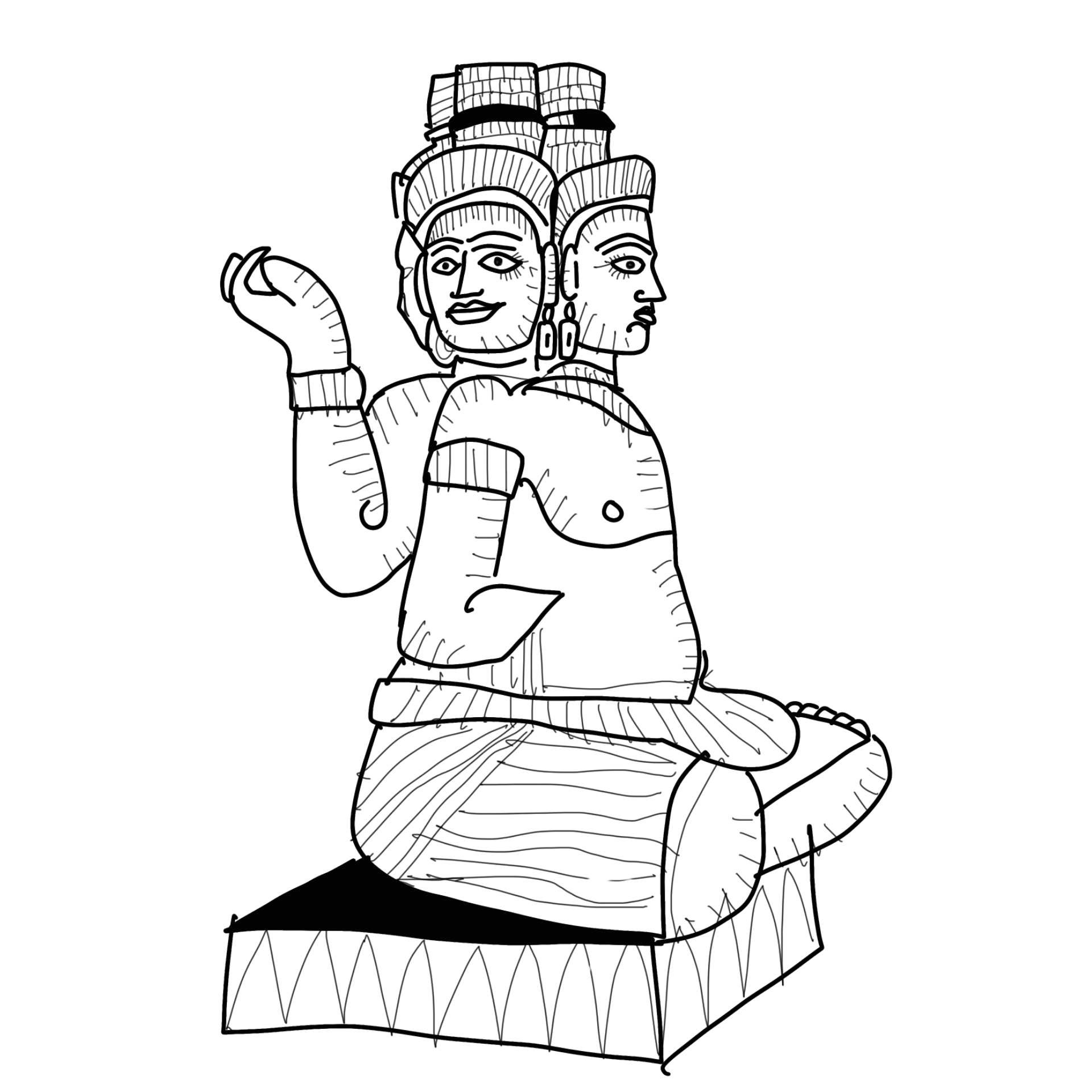
The first images of Lakshmi come from Buddhist art, centuries later—a two-armed Lakshmi in Sanchi and Barhut (200 BC) seated among lotus and elephants, jewelled, alone. By the Gupta period (300 AD), a new idea emerges–a divinity starts being seen as a conjugal pair. Male and female. This is what makes “classical Hinduism” special, the value placed on the conjugal pair— Shiva-Shakti, Vishnu-Lakshmi, Sita-Ram, Radha-Krishna, Varaha-Bhudevi. Women assert their presence.
This could have come from the Chinese Yin-Yan with whom India established close relations after 200 BC, by land and sea routes, or from tribal traditions that predated Hinduism, or from Southern cultures. This arrival of women into Hinduism was led by Brahmins who opposed the Buddhist and Jain message of monasticism. Vedic culture valued home, family, and social responsibilities. The only way the old Vedic way would survive was if they acknowledged the importance of women. So Sita becomes prominent in Ramayana; Draupadi in Mahabharata. The two epics presented Vedic ideas to common folk, who never understood the Vedic ritual.
In Tamil Sangam literature, the women pop up-front. However, they do make a distinction between “inner” and “outer” world, akam and puram respectively, with the women associated with the former, the world of the inner house, and the men are associated with the latter, the world of war.
In Silappadikaram we have the concept of a faithful wife, who burns the city of Madurai when the king unfairly executes her husband for stealing the anklets of the queen. This concept of women’s power coming from their faithfulness is also found in the Ramayana and the Mahabharata. Did the idea of the chaste wife and her magical powers come from Southern lore? Does it indicate a mixing of northern and southern ideas?
Most Indians know the story of Rama coming down South to save Sita from Ravana. But how many know of Meenakshi Madurai who travels North to Kailasha to find a husband Shiva and brings him South— keeping him next to her in the Somasundara Temple. It is significant that the wife of Shiva is often linked with the southern direction as Dakshina-Kali, Kali of the south. Or as Vindhya-vasini, a resident of mountains to the south of Arya-varta, full of caves and dense forests and tribes, where Tantra mattered and women took the lead.