Published in Corporate Dossier, ET on 11 June 2010.
There once lived a great mathematician in a village outside Ujjain. He was often called by the local king to advice on matters related to the economy. His reputation had spread as far as Taxila in the North and Kanchi in the South. So it hurt him very much when the village headman told him, “You may be a great mathematician who advises the king on economic matters but your son does not know the value of gold or silver.”
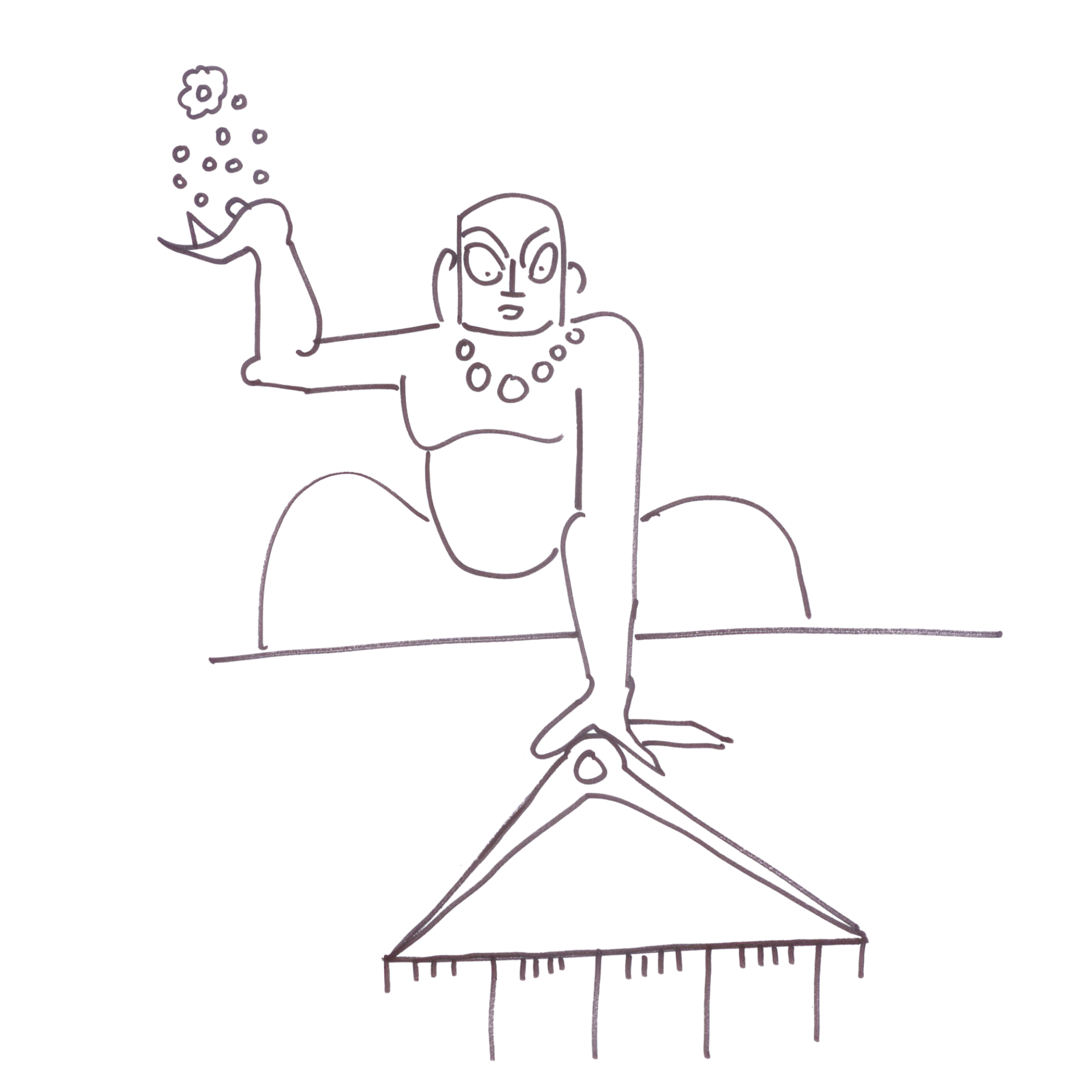
The mathematician called his son and asked, “What is more valuable — gold or silver?” “Gold,” said the son. “That is correct. Why is it then that the village headman makes fun of you, claims you do not know the value of gold or silver? He teases me every day. He mocks me before other village elders as a father who neglects his son. This hurts me. I feel everyone in the village is laughing behind my back because you do not know what is more valuable, gold or silver. Explain this to me, son.”
So the son of the mathematician told his father the reason why the village headman carried this impression. “Every day on my way to school, the village headman calls me to his house. There, in front of all village elders, he holds out a silver coin in one hand and a gold coin in other. He asks me to pick up the more valuable coin. I pick the silver coin. He laughs, the elders jeer, everyone makes fun of me. And then I go to school. This happens every day. That is why they tell you I do not know the value of gold or silver.”
The father was confused. His son knew the value of gold and silver, and yet when asked to choose between a gold coin and silver coin,he always picked the silver coin. “Why don’t you pick up the gold coin?” he asked. In response, the son took the father to his room and showed him a box. In the box were at least a hundred silver coins. Turning to his father, the mathematician’s son said, “The day I pick up the gold coin, the game will stop. They will stop having fun and I will stop making money.”
Sometimes in life, we have to play the fool because our seniors and our peers, and sometimes even our juniors like it. That does not mean we lose in the game of life. It just means allowing others to win in one arena of the game, while we win in the other arena of the game. We have to choose which arena matters to us and which arenas do not.
Shailesh, a portfolio manager in a wealth management company, has to endure hours of humiliation with his client. The client will keep telling Shailesh that he is a loser because he works for another company and that he does not have his own business. His client then shows off his wealth and mocks the advise Shailesh gives him. Often Shailesh feels like lashing out and telling the client to mind his own business. He wants to tell the client that everyone has his own criteria of success and that amongst portfolio managers he is one of the best. But he remains silent. He endures the jokes of his client. This makes the client feel good about himself. It boosts his ego. Allows him to feel he is smarter than others. And when the client feels good about himself, he gives Shailesh more business and more clients.
Shailesh has figured out that if he wants to win the arena of portfolio management, he has to allow this client of his to win the arena of emotions. So long as the client feels he is smarter than Shailesh and can crack jokes about Shailesh, he will remain Shailesh’s client. The day Shailesh puts him in his place, the game will stop and the relationship will come to an end.
At the root is the human desire to feel significant. To feel significant, one often has to demonstrate one is superior to others. This leads to people bragging and putting others down. Often this is an emotional need, one that can be quite annoying to onlookers but critical to the one indulging in it. Recognizing this need allows us to endure many an insufferable boss or client. Used well, this endurance does bring dividends.