Recently, at a temple, a monk wearing ochre-saffron, to advertise his ‘celibacy’, yelled at a girl for wearing a leather belt and entering the temple. Somehow, he had given himself the authority of purity. It struck me how this arrogant gatekeeper of culture, rather than appreciating the girl’s devotion, was busy drawing attention to himself, and spoiling the entire mood in the temple. Why was he observing and policing women’s clothing? It is a common feature that we see with male monks, especially when confronted with confident women.
I did not have the heart to tell this priest monk that traditionally in Hindu temples, monks lived in establishments outside the temple. They were not allowed to take part in fertility rituals, which were only performed by Brahmins, who were married and had children. Someone who entered the sannyasi stage, while respected, was not allowed to perform rituals. But these ideas have changed since the 19th century, when Hindu elite saw the power of Christian Jesuit missionaries and created a Hindu monastic ‘missions’ on similar lines, controlling schools, hospitals and temples.
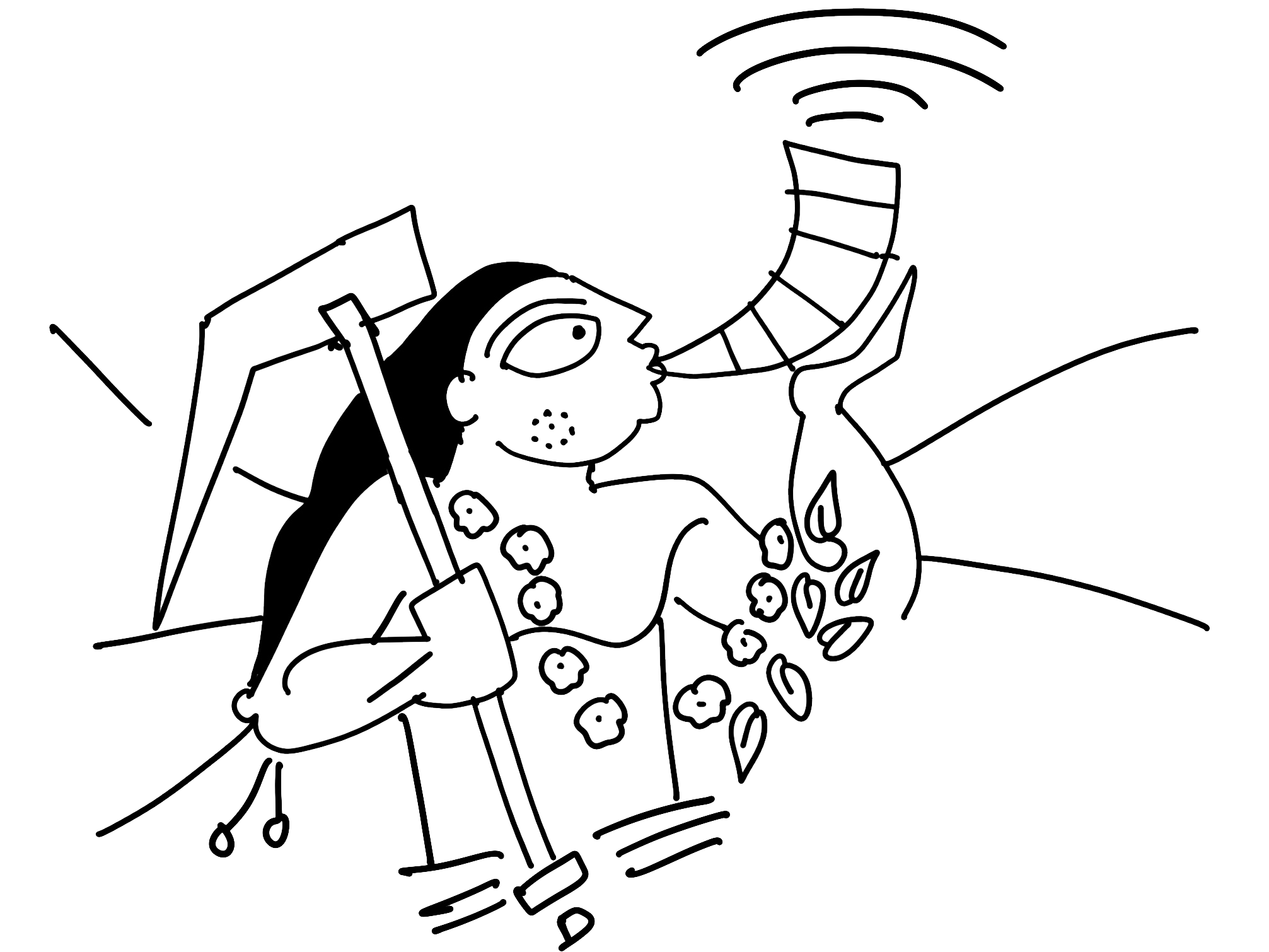
Also, in Hindu temples, many animal products are used as part of the ceremony. Milk comes from cows, honey is regurgitated by honeybees. Silk, made by boiling worms alive, is a popular temple fabric. The Shaligram stone is a fossil of ammonite, which means the fossil of an animal that once lived under the sea. The conch shell that is blown is the home of an animal from the sea. The horns of bulls and bison are used as trumpets in many Shiva temples in the Himalayan region. Drums are covered with the fine skin of dead animals. The yak tail chamar that is waved around the gods, along with the broom made of peacock feathers, all belong to animals. Perfume is made from the musk of the Kasturi deer or the Civet cat. So, the idea that everything within the temple comes from vegetarian sources is completely flawed and false. Besides, many village gods and goddesses enjoy offerings of meat and fish. Denying them their favourite food brings bad luck to the village.
In earlier days, the temples were made of wood. Wood, as we know, is made from the dead body of plants. Artworks on temple walls show hermits wrapped in tiger and deer pelts. Shiva is called the one who wears the elephant hide, Gaja-charma.
Buddhism and Jainism, and later Hinduism, equated celibacy and vegetarianism with holiness. Deeper roots can be traced to notions of caste, purity, pollution and untouchability. Across India, communities who were associated with dead bodies, leather, horns and bones, were forced to live on the periphery of villages. Women were also seen as temporary ‘untouchables’ when they had their periods.
In the 21st century, we need to have a progressive view of religion. Rather than focussing on cosmetic aspects like costume, and diet. We must appreciate young people who see the value of visiting temples regularly and thus keep tradition alive. Religion is not about keeping the body pure, it is about enabling the mind to be more loving and generous. Pretending to be kind through costume and dietary performances is lazy spirituality.