Published on 10th October, 2014, in The Economic Times Corporate Dossier.
Many, not all, modern management gurus, who hail mostly from America and Europe, tend to see most Indian promoters of business as Oriental Despots, who control their businesses as fiefdoms. This is never stated. But it can be easily sensed in their undisguised impatience and exasperation. It can be traced to popular views of the Orient, even before colonial times. They function from the assumption that just as the West got rid of its despots using democracy and institution building so can Indians. It’s the new White Man’s Burden.
What is amazing is that these gurus are completely oblivious of the despotic nature of modern Western institutions, where all that matters is the creation of shareholder value, hence focus on target and hence compliance to the rule and contract, side-lining all emotions and desires in the name of professionalism. Here the despot is not a person; it is an impersonal set of rules that constitutes the institution. If you point this out, they get defensive and argue that the method is rational and commonly agreed upon, and so unquestionably right.
This determination of Western thinkers to see its own view as universally right, without the filter of culture, poses a huge challenge to those who wish to do business with the West. And those who seek to bring in Western models of management to countries like India and China. It demands a better understanding of cultural history.
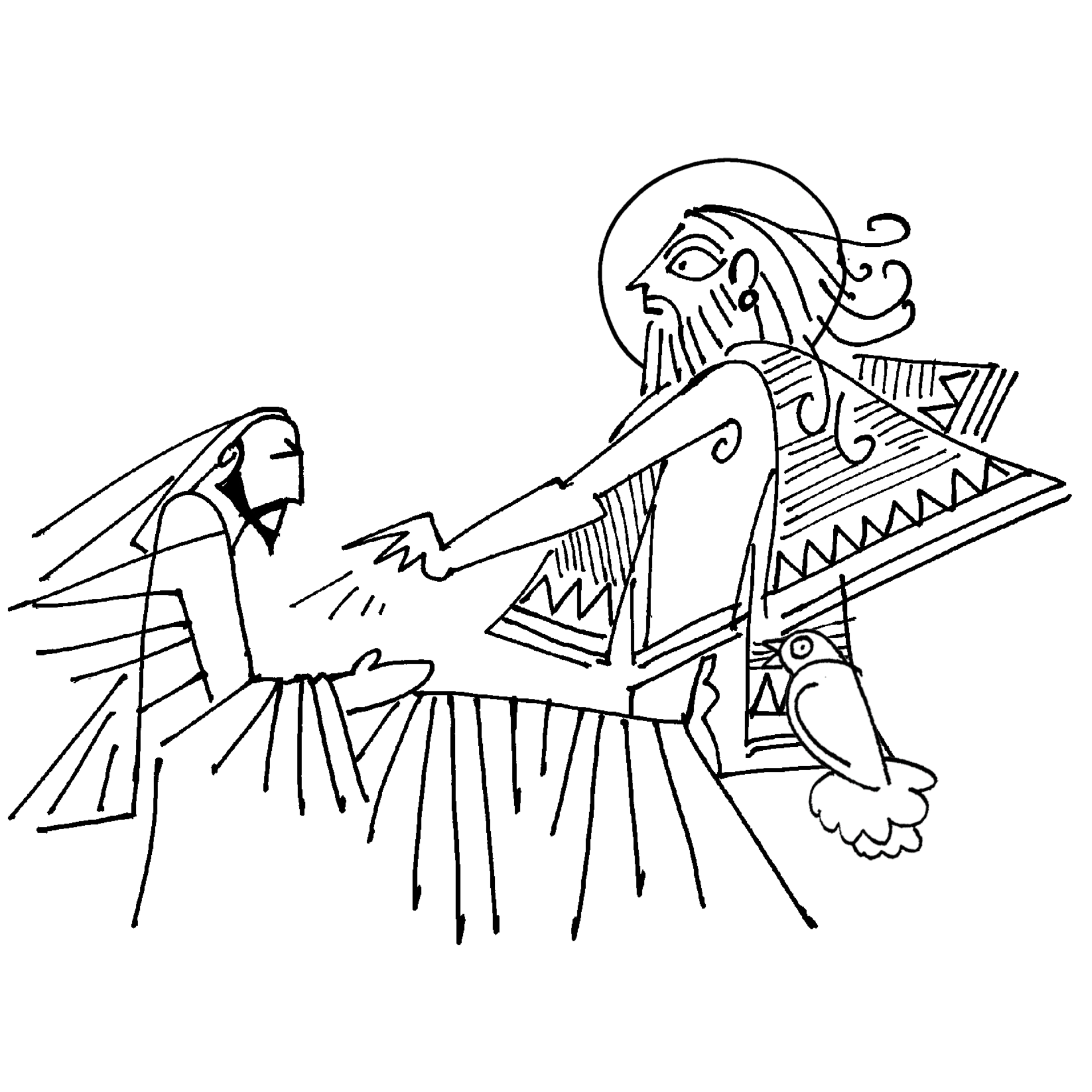
A closer examination reveals that the Emperor of China was no despot. He was part of a larger system based on rituals, where emotions came second and obedience to authority first. Confucius codified this as five relationships: ruler and subject, father and son, elder and younger, husband and wife, friend and friend. All these relationships, except the one involving friends, were hierarchical; but the hierarchy was not to indulge the one who is ‘superior’ (as would be in a case of a despot) but to ensure order and harmony, that would be mutually beneficially. If there was no mutual benefit, there would be revolution and someone worthier would overthrow the king, one who had the Mandate of Heaven to enforce this system of ritual rooted in the five relationships.
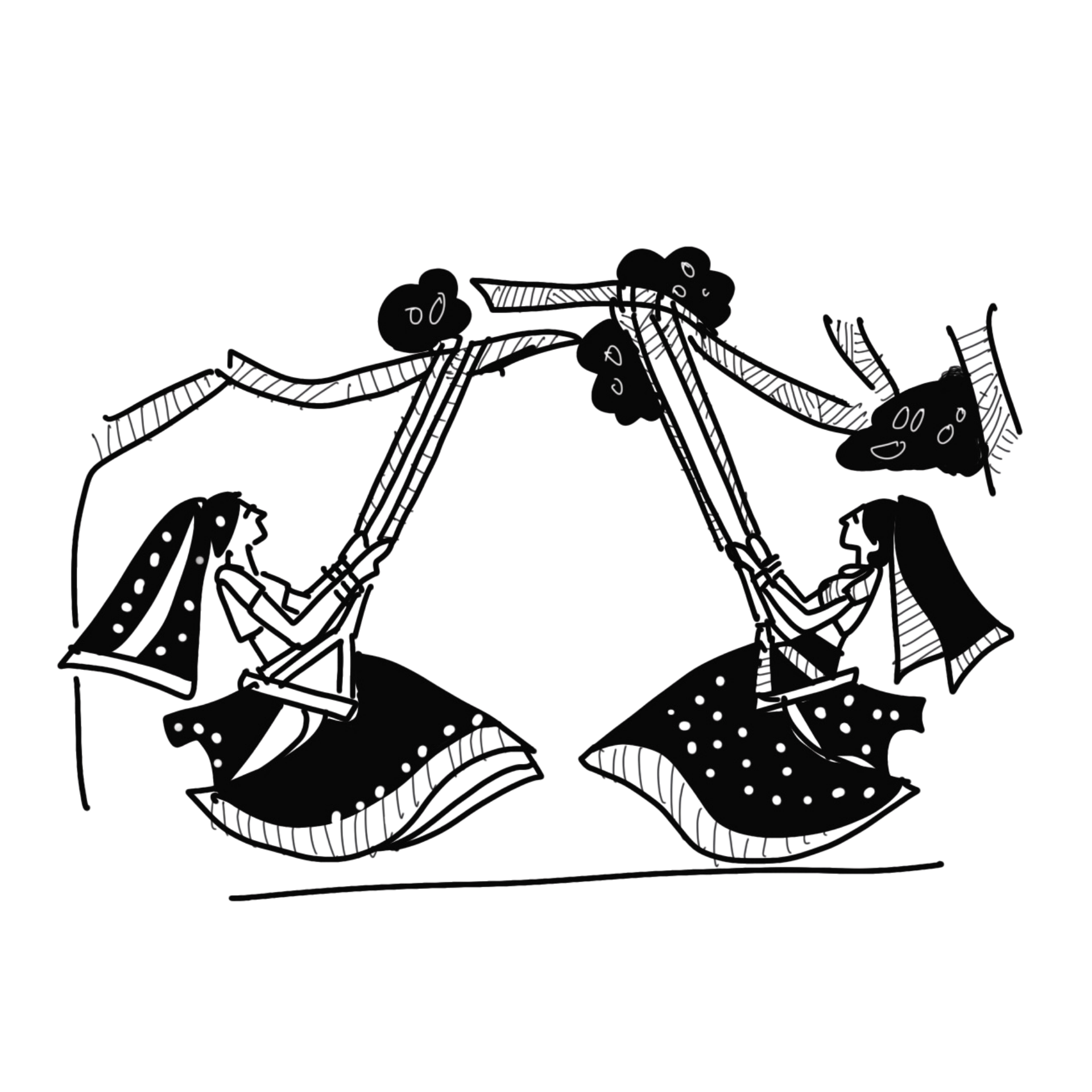
While China has always loved central control through the Emperor in the Forbidden City, India has resisted centralisation. Except for Ashoka 2000 years ago, and Aurangzeb 300 years ago no one had full control of India (Akbar controlled only North India). Indians never really bowed to one sovereign power. There is the notion of the emperor, the chakravarti, but it means one whose rule stretches up to his horizon (visualized as a spoked wheel or chakra). But his rule does not extend into the family; in fact, it stopped at the village frontier. Hence the hierarchical concept of ishta-devata (personal god), graha-devata (home god), kula-devata (clan god) and grama-devata (village god), before the more loftier concepts of universal king-like supreme God (bhagavan). A king’s rule manifested as taxation and building of temples and highways, but it did not extend into social reform or challenge of caste rules that shaped the village. At best, he presided over inter-caste and inter-village disputes. Inter-family disputes were left to caste elders and intra-family disputes were managed by the head of the family, the karta, recognized even by the modern Indian legal system. And that is exactly how a promoter of a company behaves — like a karta, a patriarch who is managing his family. Until recently, most of the employees were family members or community members, related in one-way or another. It is only in recent times that one is getting exposed to non-community based organisation. And one is seeking to balance this family orientation with modern institutional thinking.
Institutional model owes its origin to Greek city-states, to Rome, which was the centre of the Western world for a thousand years and the Church which also dominated the Western world in the following thousand years before the Enlightenment. Here, hierarchy is rejected, which puts it odds with the Chinese system. Here, family and community is not valued, which puts it at odds with the Indian system. The only permissible relationship is one between the individual and the impersonal institution. The institution, which is not a living breathing organism, is treated with greater respect than a person. The only alternative to institution is seen as despotism, where one individual imposes his will on everyone else. Such a worldview, totally insensitive to cultural nuances of other people, will always find itself being cosmetically accepted but systemically rejected, and its proponents will never understand why. A conundrum Euro-American management gurus working in China and India face all the time.