Teej means the third day of the lunar fortnightly cycle — Tritiya. What made the monsoon cycle interesting was that three important Teej festivals occurred on three different Tritiya tithis: Hariyali Teej on Shravana Shukla Tritiya (waxing half), Kajari Teej on Bhadrapada Krishna Tritiya (waning half), and Hartalika Teej on Bhadrapada Shukla Tritiya (waxing half).
These festivals became especially important across Rajasthan, Uttar Pradesh, Madhya Pradesh, Bihar and Jharkhand, with related traditions extending into Uttarakhand and Nepal. Their landscape was the monsoon landscape: dark clouds, newly green fields, swollen rivers, swings hanging from trees, women returning to their maternal homes, songs, bangles, mehendi and fertility.
Curiously, the three Teej festivals tell a woman’s story backwards.
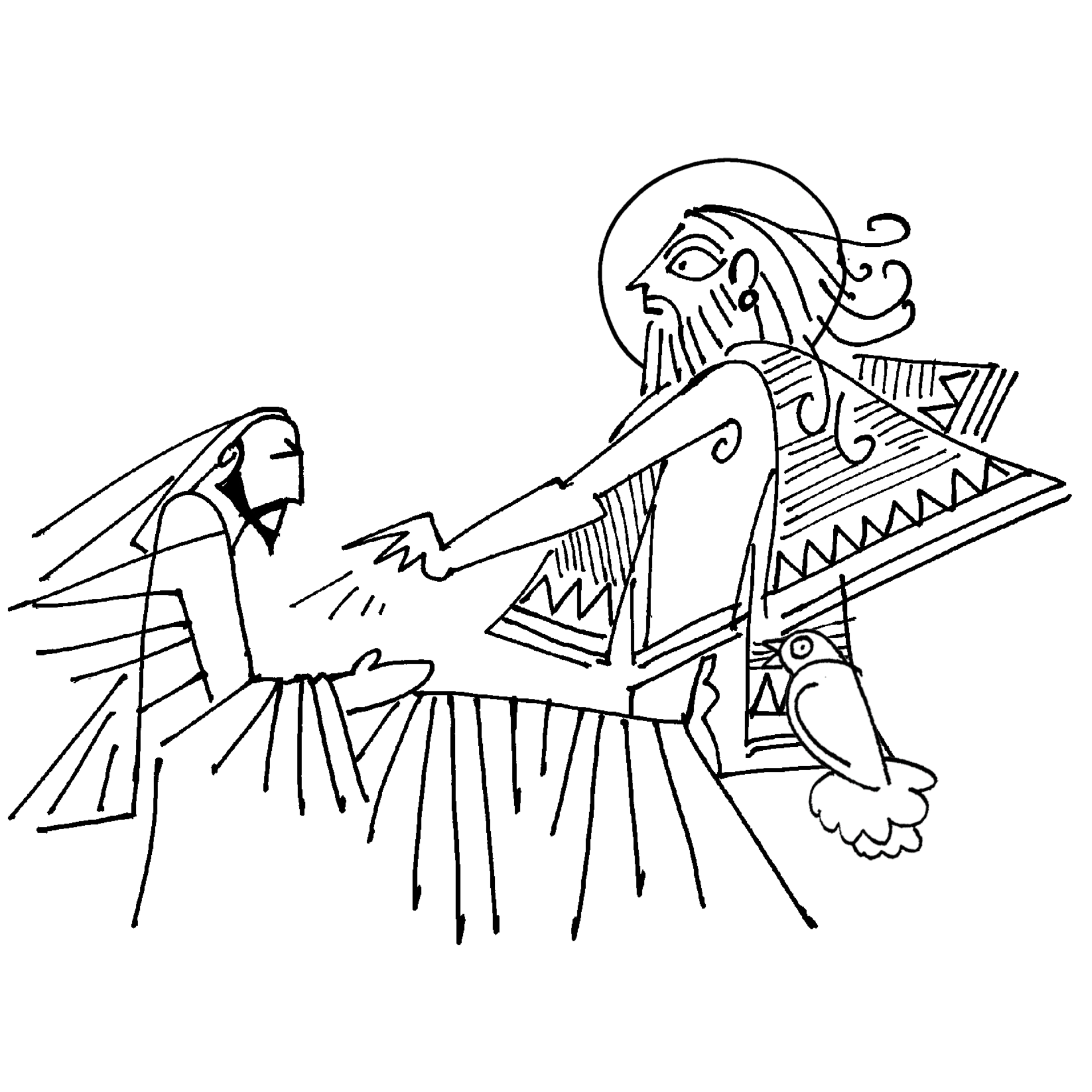
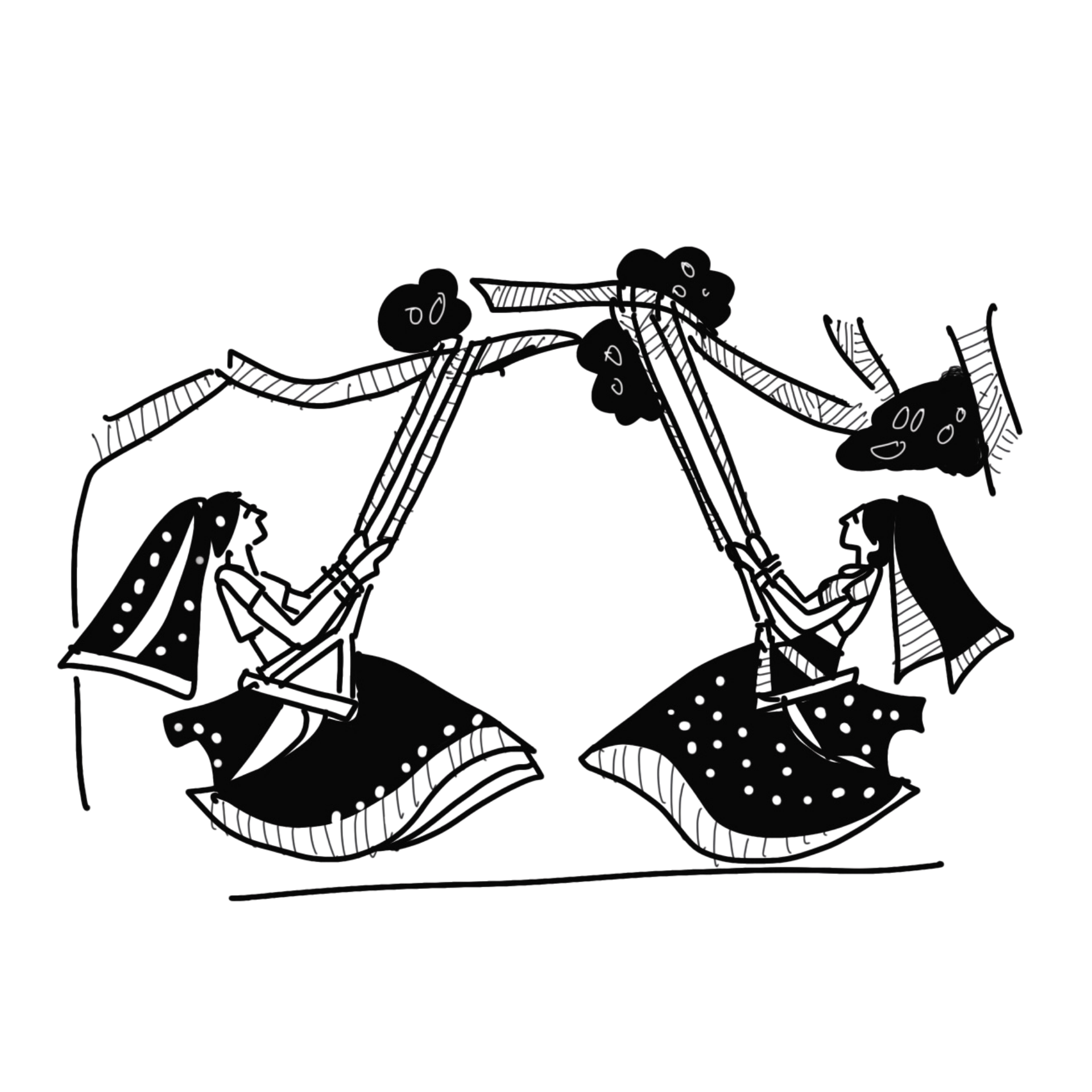
Hariyali Teej came first, in Shravana. Here Parvati was remembered in relation to Shiva and their union. The imagery was overwhelmingly green — hariyali — the colour of vegetation exploding after the rains. Married daughters traditionally returned to their parents’ homes and received clothes, sweets, bangles and mehendi. Women swung from trees and sang together. Later religious interpretation increasingly presented the festival as a celebration of Shiva and Parvati and of marital happiness.
Then came Kajari Teej, about a fortnight later. Here the emotional world changed. The woman was no longer simply the contented wife beside her husband. Kajari songs became songs of viraha — separation. The rains had arrived, the clouds gathered, the earth smelled fertile, but the beloved was absent. A woman waited for her husband or lover, sometimes from her mother’s home, asking when he would return. Kajari traditions became particularly important around eastern Uttar Pradesh and Bihar.
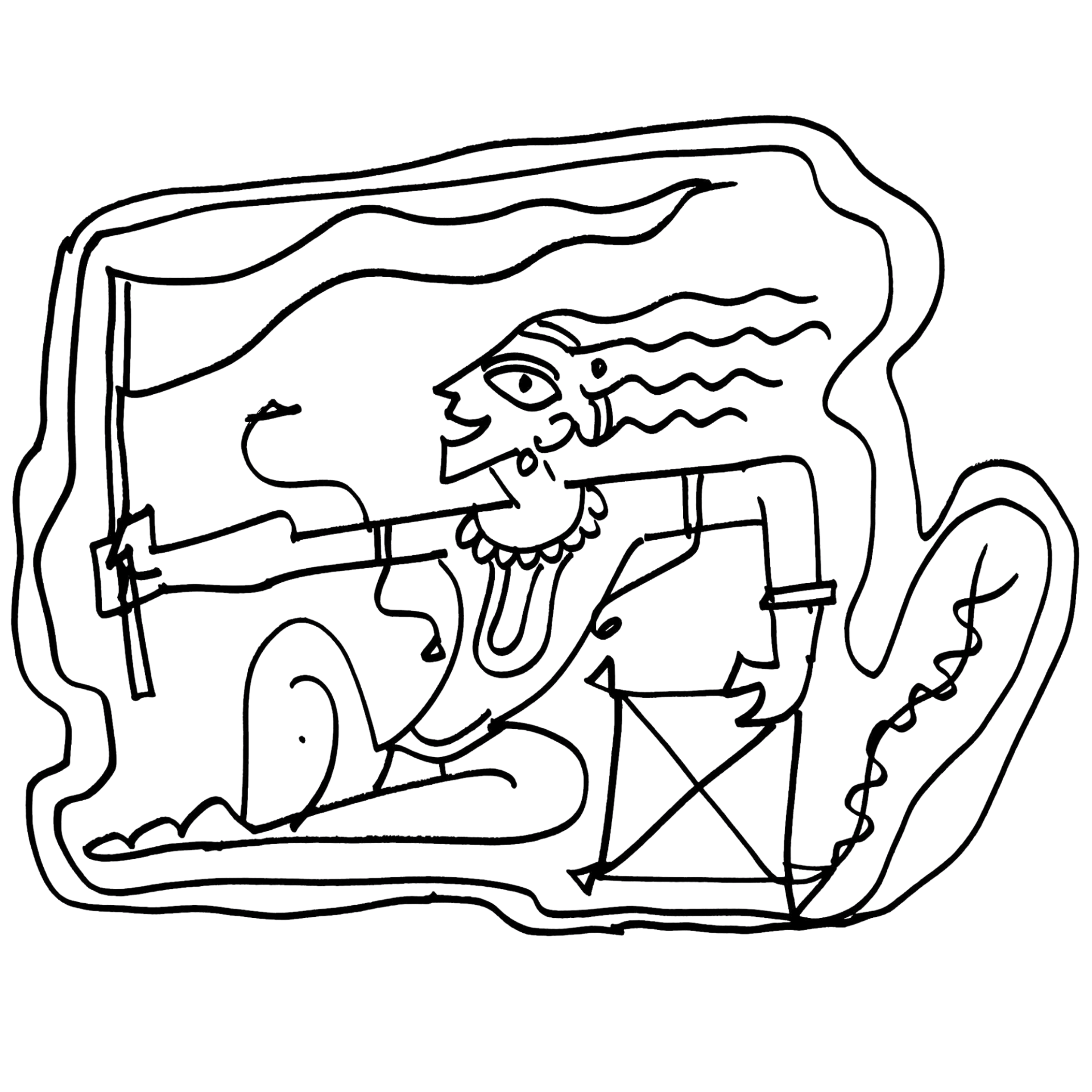
Finally comes Hartalika Teej, on Bhadrapada Shukla Tritiya. Now the story moved even further backwards. Parvati was no longer wife or separated lover. She was an unmarried girl fighting for the right to choose her husband. According to the Hartalika story, Parvati’s father intended to marry her to Vishnu. Her female companion took her away into the forest so that the marriage could not take place. There Parvati fashioned Shiva from sand and performed austerities until Shiva agreed to marry her.
Thus the monsoon produced a remarkable reversal: from wife to separated lover to unmarried girl.
These festivals were mangala-vrata. These were pre-Vedic probably Harappan rituals that belonged to women gathering with women: daughters returning to their mothers, friends helping friends, swings, songs, sexuality, longing, rain and vegetation. The arrival of rain transformed dry land into fertile land; naturally women’s bodies, marriage, sexuality and fertility became part of the same imaginative universe. The Brahmins documented this ritual and wrote about them. Before we knew it, these became Brahmin festivals rather than women’s festivals. This is how Hinduism often turns into Brahminical “patriarchy” of academics who refuse to give women credit for rites and rituals and festivals.
Teej’s distinctive cultural life — swings, monsoon songs, women’s gatherings, maternal-home customs and Kajari songs of separation — belonged to regional women’s folk culture rather than Vedic ritual. The Kajari katha itself had been characterised as folk rather than Puranic literature. This was another Hinduism: not constructed around Vedic fire sacrifices or philosophical debates, but around rain, fertility, friendship and female desire.
And perhaps its most beautiful myth was Hartalika. Before Parvati became somebody’s wife, she had been a girl who knew whom she wanted — and when her father chose otherwise, her girlfriend helped her run away. So ‘arranged marriage’ was hardly the Hindu norm as claimed by social media.