Published in Corporate Dossier ET on July 09, 2010.
Greek mythology speaks of two brothers who were appointed benefactors of humankind by the Olympian gods. Their names were Epi-metheus and Pro-metheus. Epi-metheus means hindsight. Pro-metheus means foresight.
Epi-metheus was given a bag of positive traits by Zeus. “Give it to humanity,” said Zeus. Epi-metheus made his way from Olympus down to the land of humans. On the way, he met plants and animals. Every plant and every animal he encountered asked him for a gift. So Epi-metheus, without thinking, granted them a positive trait from the bag given to him by Zeus. Every plant and every animal thanked him, and Epi-metheus felt good about himself. Finally he encountered humans, and to his surprise, he realized the bag of positive traits was empty. He had nothing to give humanity — he had not realized the consequences of his actions, because he lacked foresight.
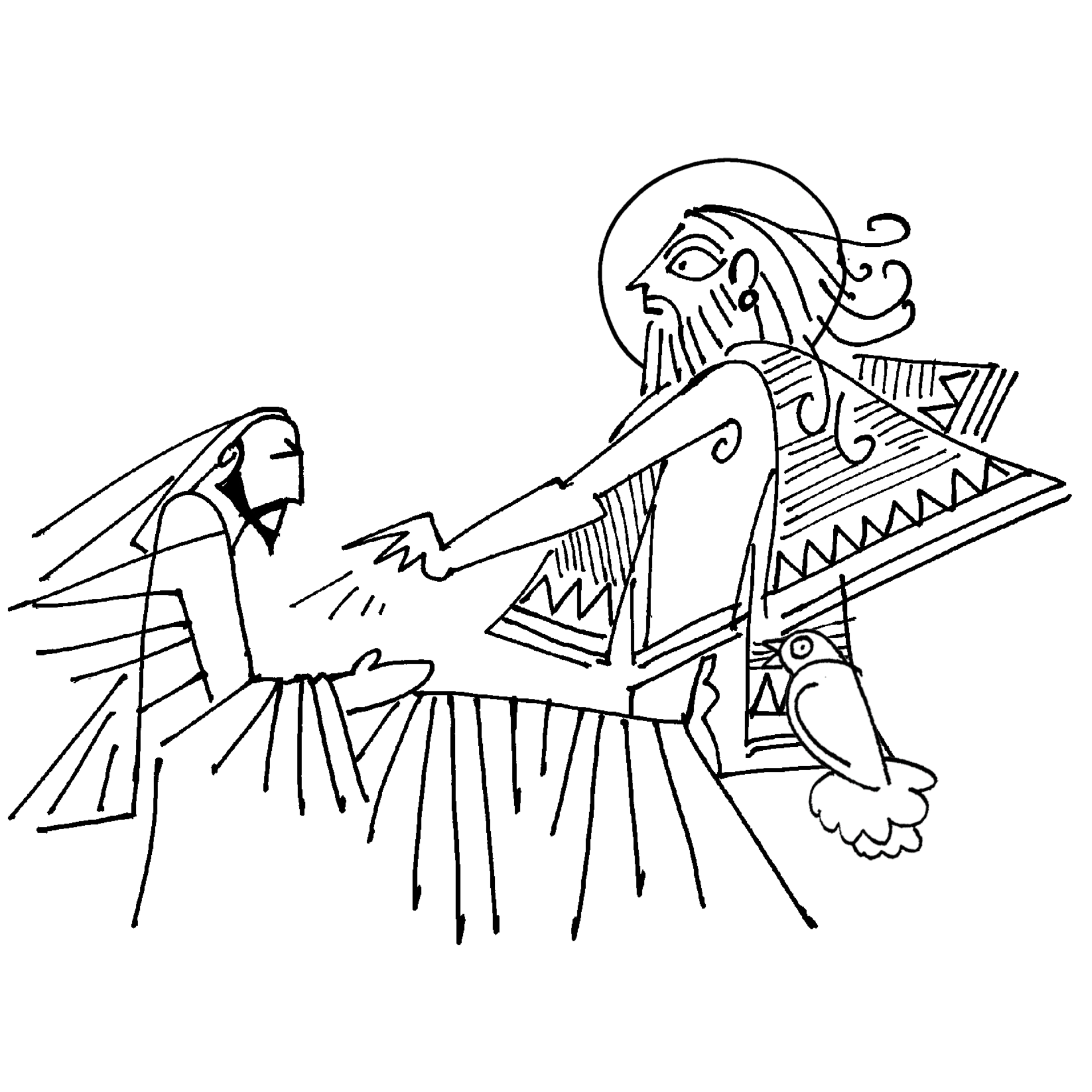
To undo the damage, Pro-metheus gave humanity the gift of fire. Man became the only creature that could control fire. This knowledge made man more superior than all animals and plants. Zeus did not like this. He punished Pro-metheus brutally, tied him to a rock and declared that every day a vulture would eat his liver and every night his liver would regenerate. Thus he would suffer every day for the rest of eternity.
Zeus then gave Epi-metheus a box. “Give it to the first human you see. Tell them not to open the box.” Epi-metheus, once again, without thinking gave the box to the first human he encountered. It was a woman called Pandora. But Pandora, like all humans, was curious, a trait that had developed in humans ever since they were able to control fire. She opened the box. Out flew all the ills of the world — decay, destruction, disease, despair. She shut the lid quickly but by then the damage was done. All that remained in the box was hope and luck, ideas that would sustain humanity through its trials and tribulations.
Every organization has a Pro-metheus and an Epi-metheus. Pro-metheus is he who thinks before a deed is done while Epi-metheus is he who thinks after the deed is done. Pro-metheus focuses on the future. Epi-metheus focuses on the past. Pro-metheus is a visionary, unafraid of the unknown. Epi-metheus is an implementer, comfortable with the known. Everybody makes fun of a Pro-metheus, punishes him as Zeus did. Epi-metheus is dependable; he brings gifts for all that creates a false sense of comfort, and does not prepare you for surprises and accidents.
When Rajiv presented his vision and business plan to his investors, he realized they were making fun of him. His ideas seemed too strange and bizarre. They said, “Give us proof of the concept.” They said, “Can you tell us exactly how much will be the return on investment?” Rajiv tried his best to answer the questions but his idea was a radical idea. No one had done this before. It was a new product. He would have to create a market for it. He had sensed people’s need for it. The need was not explicit. It was a hidden need, waiting to be tapped. Rajiv is a Pro-metheus — he can see what no one else can see. The investors before him are Epi-metheus — they trust only what has already been seen.
An Epi-metheus cannot innovate. He cannot come up with a new idea. He cannot imagine. He relies on memory. The case-study method followed in business schools is a creation of Epi-metheus, wisdom from hindsight. It is difficult to extrapolate knowledge of the past into the future because the situation in the future is unknown, unpredictable, uncertain unlike the situation of the past. All that an Epi-metheus can do is do what was done before but only better, and no one does it better than him.
A Pro-metheus is a disruptor of the status quo. He brings fire and changes humanity for all time. He is therefore also a troublemaker, one who has to be restrained, for not all his experiments work. An investor may trust Rajiv but there is no guarantee that the business will succeed. Along with vision and hard-work, Rajiv will need heaps of hope and a bit of luck.