Published in Corporate Dossier, ET on May 06, 2011.
Hanuman, the monkey-god, is much adored by people for his strength that is combined with simplicity. Despite his great power he always sits at the feet of Ram, never demanding a higher seat. And yet, at one time, Hanuman did claim a higher seat. This was at Ravan’s court.
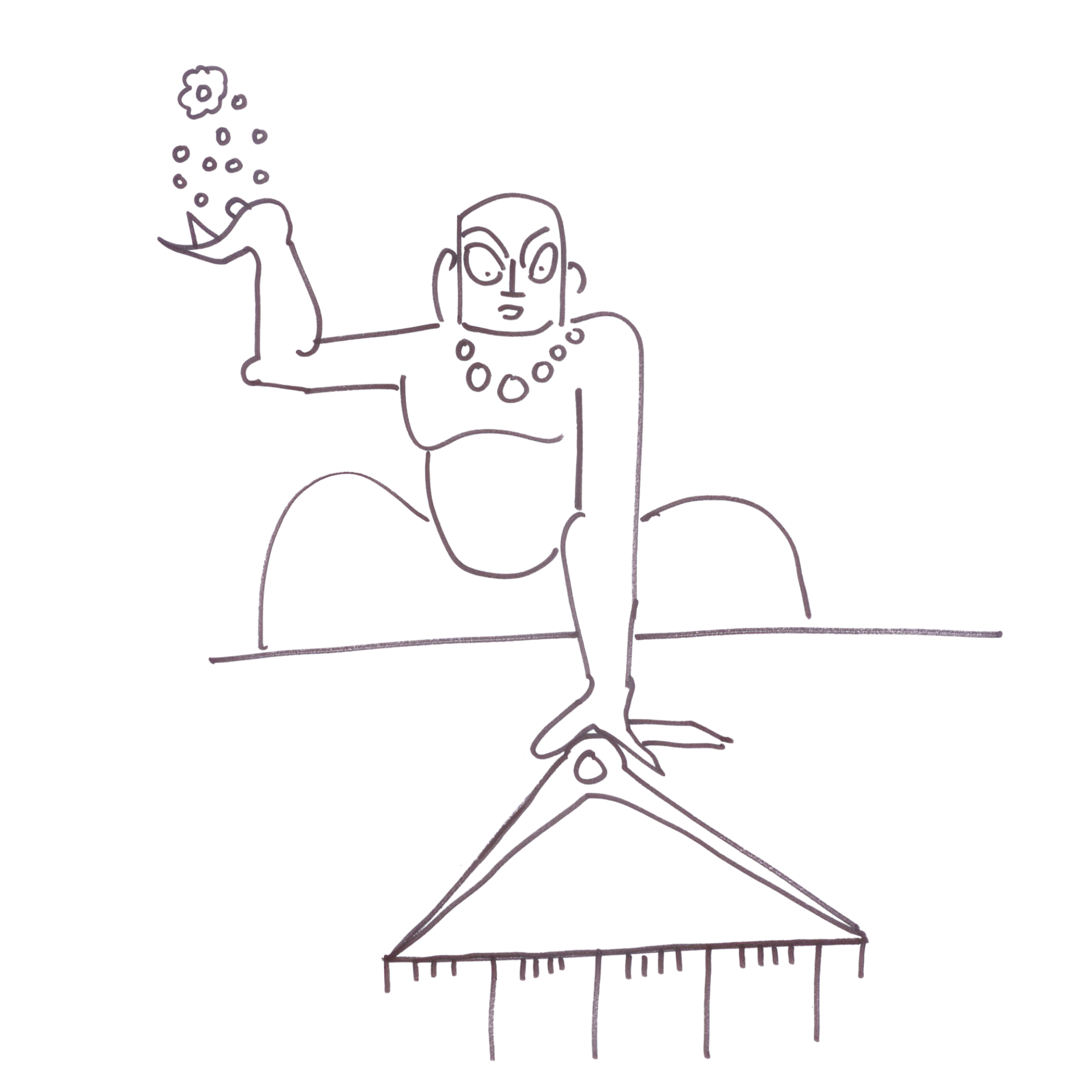
When Hanuman made his leap across the sea to the island-kingdom of Lanka in search of Ram’s wife, Sita, who had been abducted by the demon-king, Ravan, he allowed himself to be caught by Ravan’s guards so that he could meet Ravan in person and deliver a message. “I am a messenger,” he told Ravan, “Treat me as a messenger. Give me a seat to sit.” Ravan laughed and his guards mocked the audacious monkey. “Sit on your tail if you are so desperate to sit!” they shouted.
In response Hanuman elongated his tail, then coiled it around to create a column, and jumped on top of it. Hanuman thus created a seat that towered over Ravan’s. He who always sat at Ram’s feet went out of his way to sit on top of Ravan’s head.
Sometimes the simplest of people are forced by circumstances to pull rank and dominate those around them. If the culture at office is that of Ram’s, then everyone is happy to sit at each other’s feet. But if the culture at the office is that of Ravan’s, then everybody fights to sit on top of each other.
In the old office, no one really cared who sat in open cubicles and who sat inside cabins. The boss preferred sitting in an open cubicle, because he liked it, not to demonstrate ‘simplicity’. For confidential meetings, he took one of the manager’s cabins. The managers did not feel awkward about sitting in cabins while the boss sat outside. The boss did not care about where he sat. It was an office where results and outcomes and delivery mattered more than pecking orders. Mr. Negi enjoyed his cabin a lot because he liked the privacy and the silence. His boss understood that and no one begrudged his liking.
Then the company exchanged hands. A new boss came to town. The old office had to be redesigned to make room for more people. The new boss kept talking about the egalitarian nature of open offices and cubes. And everyone agreed that it made sense to sit in an open office. But then, a few cabins were seen rising in the corners. “For senior management,” said the boss. When seats were allocated, it was clear that the ‘senior management’ referred to favorites! Mr. Negi got very annoyed. Suddenly he wanted a cabin more than anything else. He demanded it. So did other managers, managers who until then were happy sitting anywhere. The office now is a war zone with battles fought over cabins and cubicles, their location (is it closer to the toilet or the exit door? Is it closer to where the boss sits? Is it far away from the coffee machine?). Every one is sitting on the head of the boss, and no one is bothered about the results.