Published in Devlok, Sunday Midday on February 20, 2011.
Last Monday was Valentine’s Day. People were sending text messages of love or buying teddy bears. There were parties being organized. And people were saying, “Happy Valentine’s Day.” Then there were articles accusing the ‘festival’ of Westernization and commercialisation, and not being genuine. So one wonders: what is a genuine festival?
Festivals are manmade constructs not natural phenomena. Republic Day did not exist before India’s independence from British Rule. But today it is an important day to reaffirm our faith in the Indian nation state. Does that make it a genuine festival?
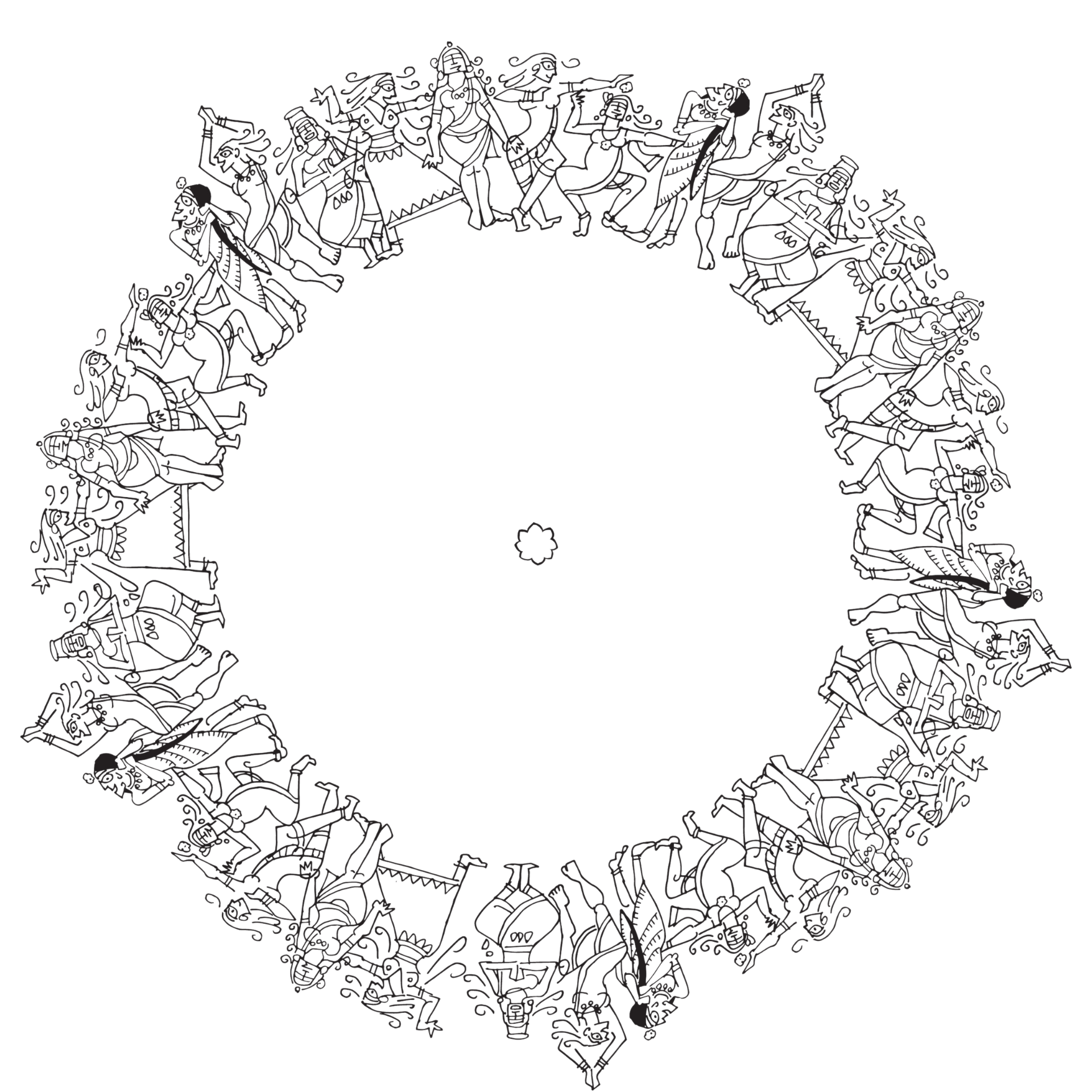
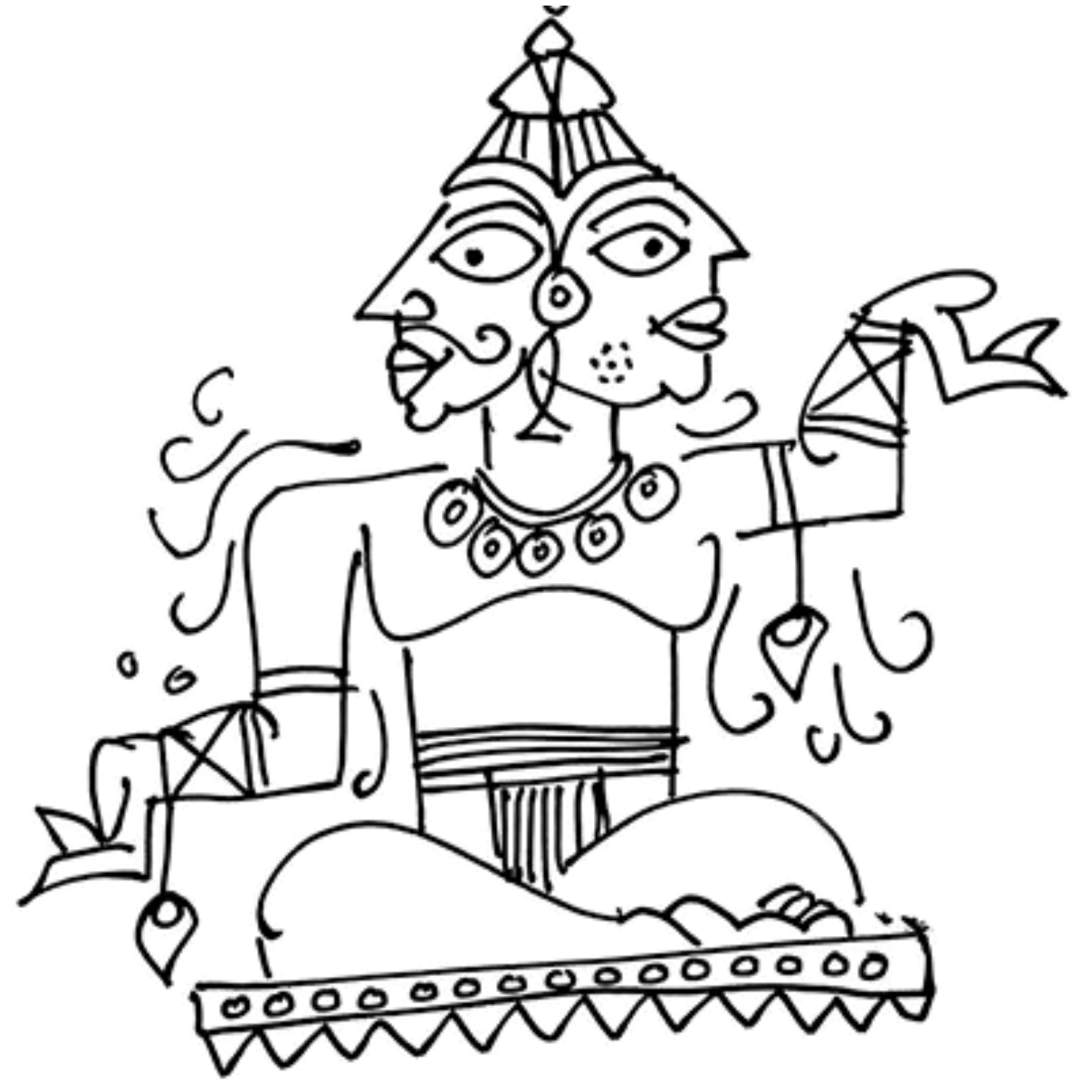
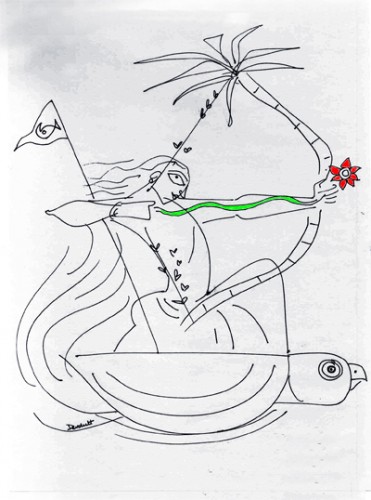
Ancient scriptures are full of stories of Madan-utsav and Vasant-utsav, festivals of the love-god and spring, when men and women danced on the streets dressed in yellow and dancers and musicians and prostitutes were celebrated. Women were encouraged to drink and dance and embrace trees to enable them to bear flowers. Today these festivals do not exist in their original form. They have been sanitized as Vasant-panchami when writers and poets are celebrated, Saraswati is worshipped in her serene glory and everyone wears yellow. Or as Holi, which though still bawdy, shies away from referring to Kama, the god of lust, who rides a parrot or Rati, the goddess of sex, who rides the pigeon. Are these less genuine festivals?
Festivals are essentially days that are rendered special by various social forces. Religions have special observance days: when Christ was born (Christmas), when the earliest verses of the Koran were revealed to the Prophet (Ramzan), when the Hebrews escape Egyptian captivity (Passover), when Mahavir was born (Mahavir Jayanti) or when Durga killed Mahisha (Vijaya Dashami). Had there been no religion, these days would not have been special. Nation states have their own special days: when Gandhi was born (Gandhi Jayanti), when independence was declared (Independence day), when a state was created (Maharashtra day, Orissa day). Had there been no nation state, these festivals would not have existed. Every family has its own special days: birth and death and marriage anniversaries.
Now in the post-liberalization era, consumerism is creating its special days. As is westernization. So last year saw Halloween parties and Thanksgiving parties. I don’t think anyone had a clue that it had to do with American culture. Everybody was having fun dressing up as a witch or a warlock, and eating turkey. I guess, we just need an excuse to have a good time. We need someone to tell us that a day is special and then tell us what to do on that day. That someone is either a priest or a politician or a shopkeeper.
We may look down upon them but we need them. So there are days when you don’t eat or don’t drink or eat only vegetables or drink only wine or wear only white clothes, or black clothes. These beliefs and rituals bind society, give it a form, a structure that comforts us by creating the illusion of stability.