
Mythologist | Author | Speaker | Illustrator

-
Articles

Don’t Turn Back
Published on 11th April, 2021, in Mid-day. Once, an old man promised a fellow traveller, a young man, his daughter’s hand in marriage. Days later, when the young man actually showed up at the village, the old man refused saying he promised no such thing. Bring a witness, demanded the old man. The young man,…
-
Articles

Were Hindus Ever Invaders?
Published on 30th January, 2021, in Mumbai Mirror. Hindutva keeps saying that Hindus never invaded foreign lands; that India has always been invaded. They speak mostly of Muslim invasion and ‘thousand years of slavery’ but rarely of Persian, Greek, Scythian, Kushan (Chinese) invasions that took place 2,000 years ago. And they completely ignore the invasion…
-
Articles
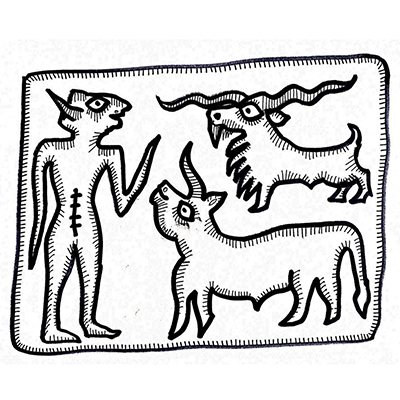
Horned Demons and Rebels
Published on 17th January, 2021, in Mid-day. The image of a horned, White man storming the US Capitol building is now part of history. It reveals the fragility of democracy and the lure of megalomaniacs and conspiracy theories. But, why horns? Do they imply power? Or is it a fantasy of how barbarians should be?…
-
Articles

Sea of Spices: How Trade Gets Intertwined With Myths
Published on 26th December, 2020, in Economic Times. There was a goddess called Harsiddhi Mata who resided atop a hill, overlooking the sea in the coastal areas of Gujarat and Sindh. She would see ships sailing by. There were those who would see her temple and not venerate her. So, casting a malevolent eye, she…
-
Articles

Pagans In Christmas
Published on 20th December, 2020, in Mid-day. The word “pagan” was used derisively by colonial powers to refer to non-Christian faiths, especially polytheistic ones that celebrated divinity through nature-plants, animals, rivers, mountains, stars. Yet, paganism contributed greatly to what we call Christian rituals and festivals today. Jesus lived 2,000 years ago, but his mythology (virgin…
-
Articles

Sita Is Not Helen
Published on 1st November, 2020, in Mid-day. Many people are of the opinion that Greek and Hindu mythologies have much in common. This idea was first proposed by Europeans who believed that all pre-Christian cultures were pagan and so, had a common theme. So, they saw the devas of Hindu mythology as the Olympians of…
-
Articles

Donkey’s Curse and Cross
Published on 25th October, 2020, in Mid-day. In many parts of India, especially in Maharashtra and Goa, one finds stone tablets showing a strange image of a donkey having sex with a woman. Known as “gadhe-gal” or “donkey-curse”, archaeologists believe these stones are 1,000-year-old land grants, carved in stone. They were probably carved by Shilahara…
-
Articles

The Imposter In My Bed
Published on 4th October, 2020, in Mumbai Mirror. A common theme in mythology around the world is where a man enters his bed and makes love to a woman who he thinks is his wife. However, it turns out to be another woman who tricks him by taking the form of his wife. Likewise, there…
-
Articles

Gender Fluidity In Hinduism
Who is a Hindu? Gender fluidity in Hinduism Published on 2nd August, 2020, in Mumbai Mirror. Greek mythology focuses a lot on same-sex love: love between men and men, women and women and between men and boys i.e. inter-generational love. Hindu mythology focuses on transgenders — men who turn into women and women who turn…
-
Articles
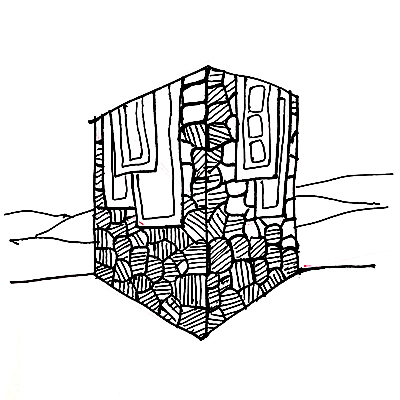
Why Hindus Should Read Islamic Mythology
Who Is A Hindu? Why Hindus should read Islamic mythology. Published on 24th May, 2020, in Mumbai Mirror. People often challenge me to write on Islamic mythology. These ‘challengers’ don’t realise is that Wikipedia already has an entry called Islamic mythology. And in academic circles, people speak of Islamic, Christian and Judaic mythology as freely…
-
Articles

Beyond objectives are consequences
Published on 20th March, 2020, in the Economic Times Indian mythology is based on the principle of karma, where every action has an unforeseen reaction. There is no escape from consequences as everything has cause. This Indian paradigm shapes Hinduism, Buddhism and Jainism. However, this principle is alien to western discourse. The western discourse is…
-
Articles
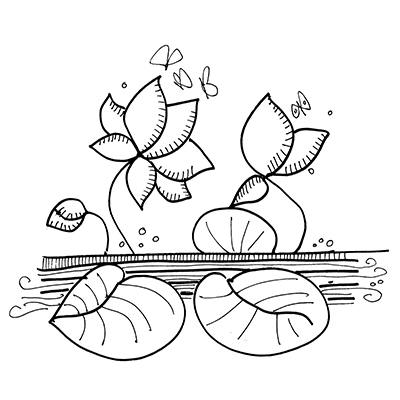
Spot the difference between sign and symbol
Published on 16th December, 2019, in The Hindu The symbol of India in Indian passports and Indian currency notes has been a lion and a spoked-wheel or chakra, both from the Ashoka pillar. Now the government has introduced the lotus on the passport, as part of security measures, we are told, to be replaced by…
-
Articles

The Crocodile-Wrestling Hero
Published on 15th December, 2019, in Mid-day In Egyptian, Persian, Assyrian and Sumerian imagery, kings are often shown hunting lions and defeating them with their bows to establish their power. Images of the epic hero Gilgamesh often show him holding a lion firmly, as if it were a cat. That image establishes his greatness, just…
-
Articles
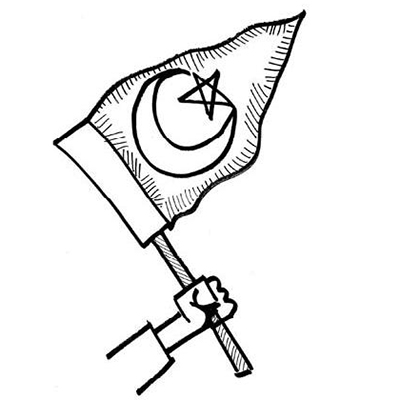
Pakistani Mythology
Published on 3rd November, 2019, in Mid-day Pakistan was the first modern republic to declare itself ‘Islamic’. It imagines itself as the Eastern edge of Arab civilisation, when in fact, it is the Western edge of Indian civilisation. No Pakistani can buy land in Saudi Arabia, get a Saudi Arabian passport or marry a Saudi…
-
Articles
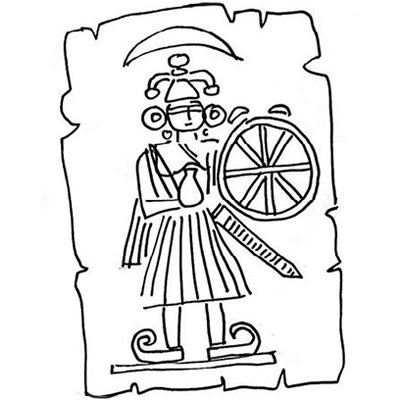
The spoked wheel
Published on 24th August, 2019, in Mid-day The spoked wheel is an important symbol in India, especially since the image is an integral part of our national flag. This wheel is considered to be Ashoka’s Dharma Chakra and is associated strongly with Buddhism. Unfortunately, that restricts its magical history, which spreads across Hindu and Jain…
-
Articles
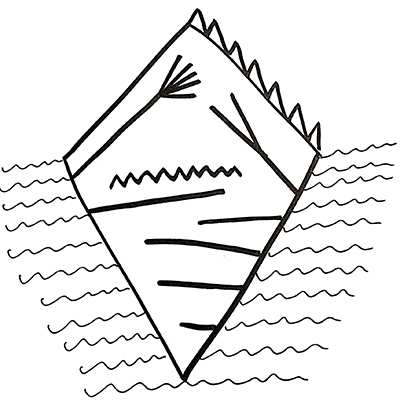
Aryavarta
Published on 24th August, 2019, in Mid-day The word ‘Aryavarta’ has become quite popular. There are novels written about it, tele-serials based upon it, and it is increasingly being associated with an extremist Hindu vision of the past. But, the word ‘Aryavarta’ means land of the civilised people. Those who spoke Sanskrit were considered civilised,…