Published on 24th August, 2019, in Mid-day
The spoked wheel is an important symbol in India, especially since the image is an integral part of our national flag. This wheel is considered to be Ashoka’s Dharma Chakra and is associated strongly with Buddhism. Unfortunately, that restricts its magical history, which spreads across Hindu and Jain mythologies also.
But, where did this spoked wheel come from? In the cities of Harappa, we mostly find solid wheels of carts pulled by oxen or donkeys. Evidence for horses and the spoked wheel is relatively sparse.
The first real evidence of chariots with spoked wheels pulled by horses appears around 3,200 years ago in the region we now call Kurdistan, in Turkey. This was where the Mitanni Empire existed. They fought against the Hittites, who lived in the north. The Hittites, in turn, were fighting the Egyptians. During this time, we have the famous king Ramses, whose statues are famous around the world even today. In his murals, we find the spoked wheel for the first time.
It is believed that one branch of people from the Great Steppe moved towards the West and another to the East. Some of them, the eastern branch settled in Iran, some of them moved to India, and maybe a branch went up to the region of Turkey. We can be relatively sure of this because we find clay tablets depicting a treaty signed between the Hittites and the Mitanni, with the first epigraphic evidence of the Vedic god Indra, Varuna, Mitra and the Ashvins.
More tablets in the area refer to the local Mitanni kings having horses, with language associated with horses and wheels, which are again linked to the Vedic civilisation. Thus, we know that approximately 3,200 years ago, the spoked wheel emerged, and it is at the same time that it would have become popular in India, too. It marks the rise of the Vedic civilisation.
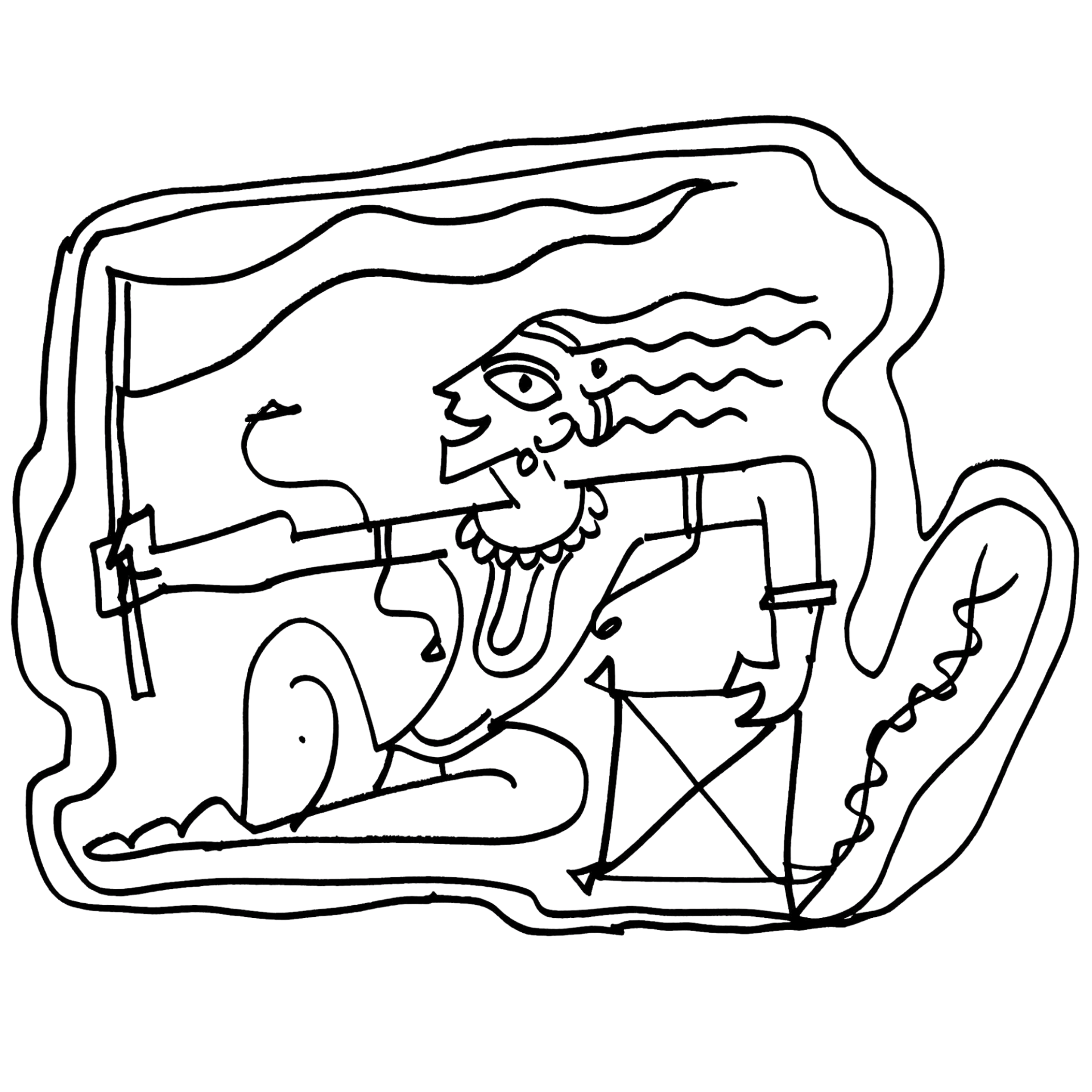
In Vedic India, kings or rajas slowly called themselves Chakravarti, the wheel emperors, as their span of control expanded beyond herds and clans, to vast agricultural and pastoral lands along fertile riverbanks of the Ganga. Here, the rim of the wheel represented the boundary of his empire as well as the horizon, where the sky seems to touch the earth, which is circular in shape. The spokes represented the highways that connected the capital city or the king’s palace to the farthest horizon. Thus, it was the representation of the king’s empire, also known as the Raj Mandala. The spoked wheel also represented the wheel of the king’s chariot and the trader’s bullock cart that could go safely without fear to the far corners of the kingdom.
The Jain Agamas speak of Maha Purushas, the Chakravartis who ruled India. The first one was Bharata, son of Rishabha, after whom India is called Bharat-varsha. Buddhism refers to many Chakravartis such as Mandhata, who was so good that neighbouring kings asked him to rule their kingdoms, until ambition made him aspire for Indra’s paradise, and caused his fall.
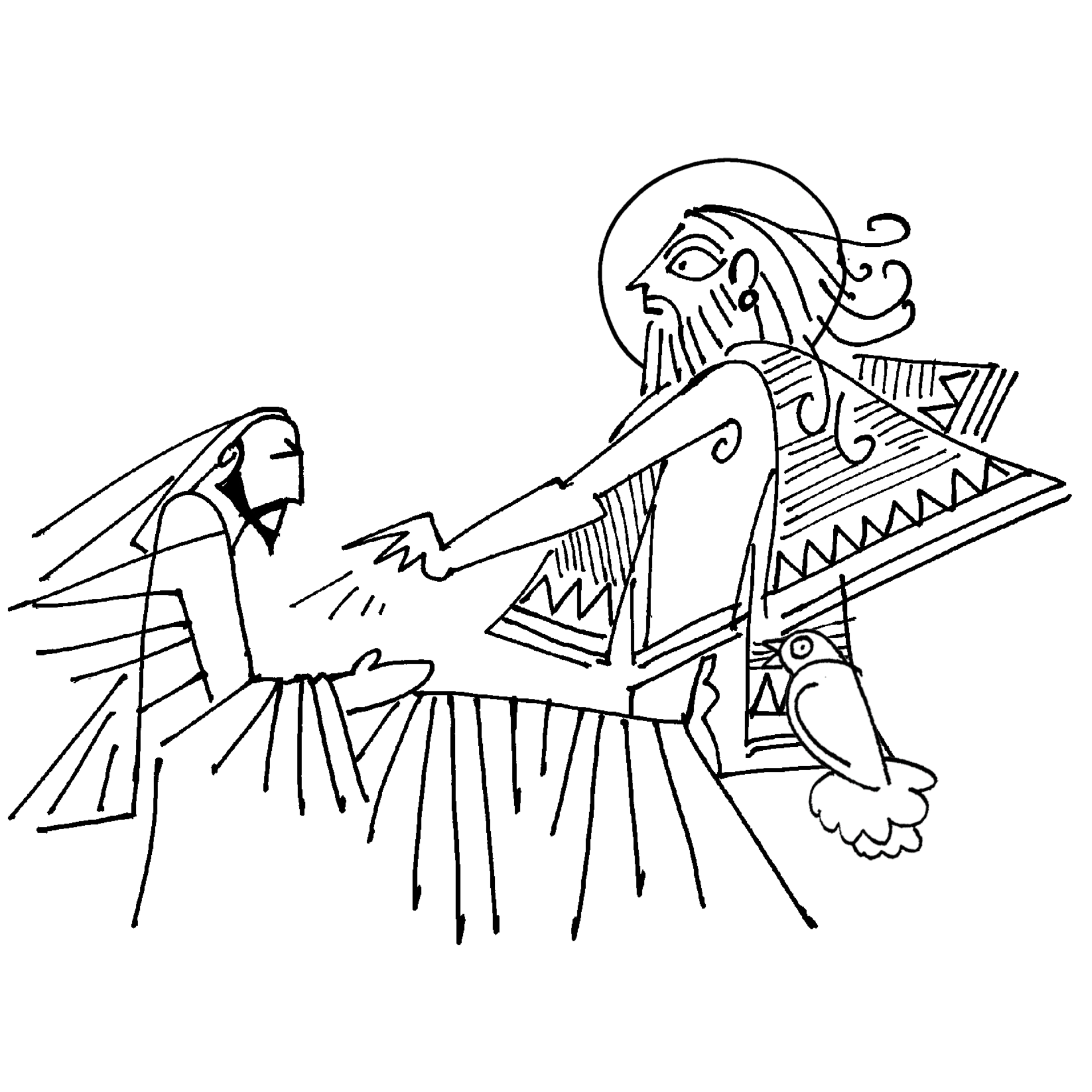
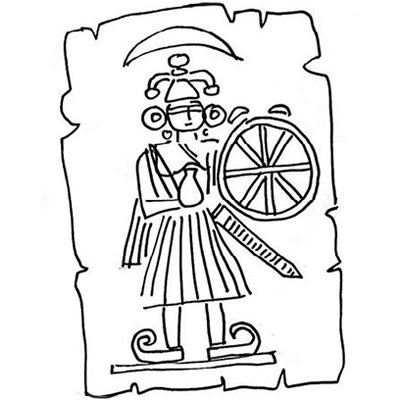
The most important Buddhist wheel was the Dharma Chakra, the turning of the wheel revealed by the Buddha, which focused not on conquering land, but the mind. Hinduism values the wheel known as Sudarshan Chakra, which Vishnu holds. This represents the wheel of the zodiac, the wheel of earth, the wheel of time, and is a weapon, too. It is also visualised as a deity known as Chakra-purusha. The first image of Vishnu holding a wheel comes from Indo-Greek coins that are 2,000 years old.