Published on 7th October, 2022, in Times of India.
Nobody will admit this, out of respect for the venerable filmmakers, I suspect. But, I found, many non-Tamilians were rather bored with Ponniyin Selvan: I , the new Tamil epic period action drama film directed by Mani Ratnam. People complained it was dull, despite the grandeur of the posters, spectacular trailer and the fawning critics.
The reason, I fathom, is rather simple: Most were unfamiliar with Chola history, and clueless about Kalki’s famous historical novels that inspired this film. There was no emotional connection.
Few know that the Cholas were the kings who changed the Hindu landscape by mainstreaming the Hindu temple, and making it a symbol of royal power.
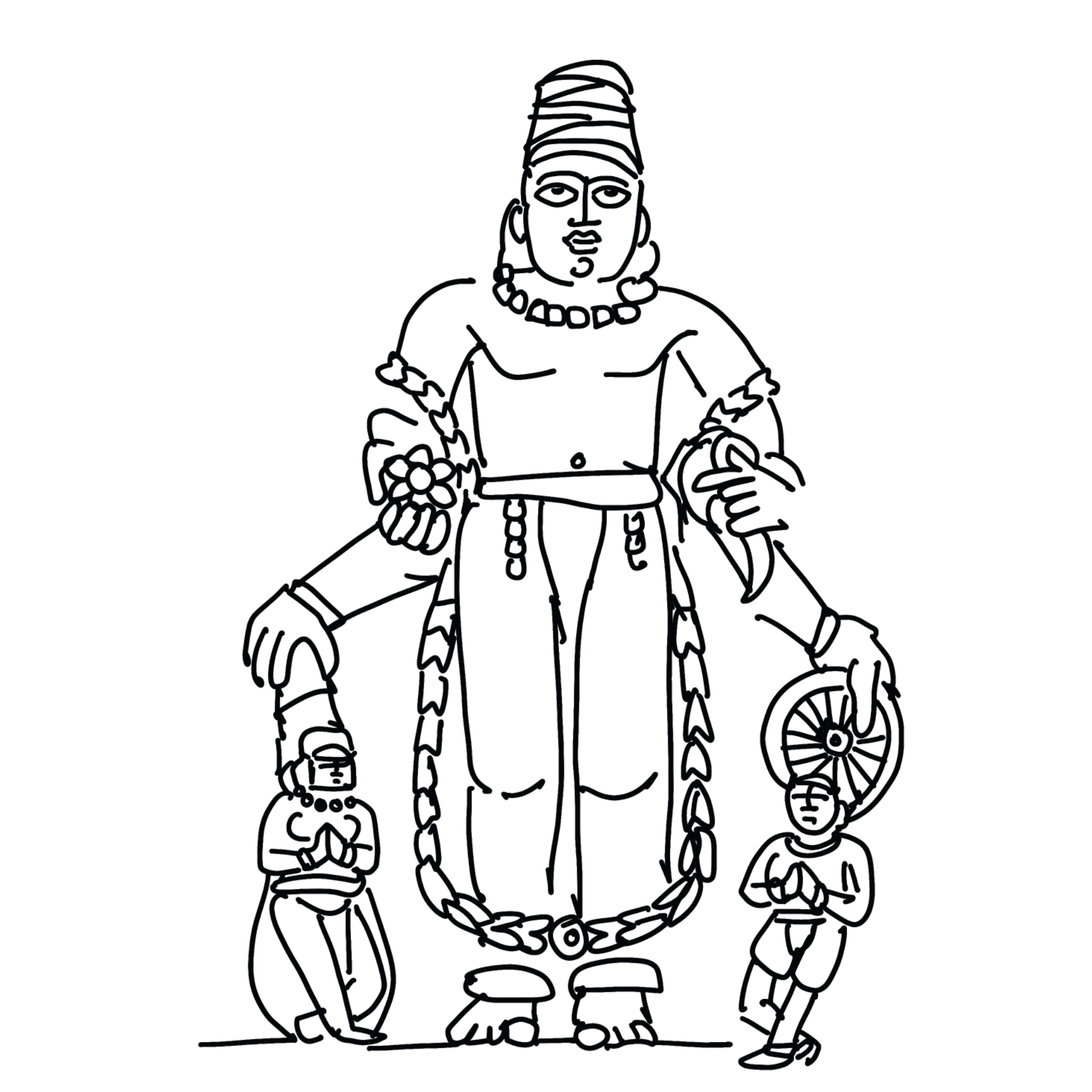
The earliest Hindu temples, built around 1,500 years ago, were not royal structures. They were built using brick as in Bhitargaon near Kanpur (400s), inspired by and competing with Buddhist stupas. When the kings began patronising Hindu art, the images were carved in stone caves as in Udayagiri by Guptas (400s), Elephanta by Kalachuris (600s) and Badami by Chalukyas (700s). This was in the Deccan belt.
The earliest temples had no grand towering roof. They were flat. Rock-cut temples, with shikharas (spires) and vimanas (towers), were then established by the Pallavas of North Tamil Nadu (600s) and the Rashtrakutas who carved the grand Kailasa temple at Ellora (700s) out of single rocks.
Rajaraja’s reign
Everything changed after the Cholas arrived on the scene in a grand way in the 10th century, thanks to Rajaraja Chola. He overpowered local rivals, like
Pandyas to his south and Chalukyas to his west. He then expanded his territory along the Andhra and Odisha coast right up to the Ganga Delta in Bengal, bringing back images of Bhairava to be housed in his temples back home.
He also conquered Sri Lanka, and controlled trade routes to South East Asia, where the Chola army fought a naval battle, enabled by Tamil merchant ships, against Srivijaya kings of Indonesia.
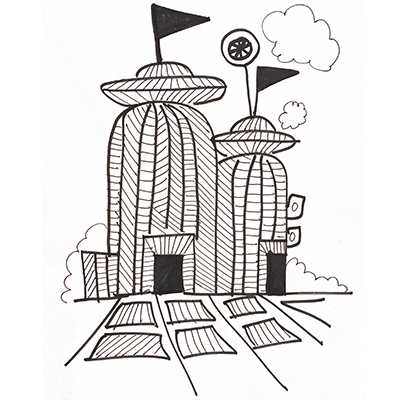
Rajaraja Chola built one of the grandest free-standing temples of his time – Brihadeshwara temple in Thanjavur, Tamil Nadu, with its typical pyramidal “Dravidian” roof (vimana, shikhara) that rises over 200 feet. The deity within was Shiva. This was the king’s Shiva (hence, Rajarajeshwara).
The king was even identified with Shiva. Chola kings were known to have built Shiva temples atop the site where a king was cremated or buried, thus connecting the king intimately with divinity. Legitimacy of the king, and royal power, was established through the gods, especially between the 10th and 12th centuries. And Shiva was the favourite, as it had been for the Chalukyas, Kalchuris and Rashtrakutas who carved images of Shiva on the rocks at Ellora and Elephanta.
For the Guptas, centuries before, it had been Vishnu, which is why they carved giant images of Vishnu as Varaha, the boar, lifting the earth-goddess on his snout, while crushing the demons who trouble her, on mountain sides in Central India. Cholas were demonstrating they were greater than those who came before.
Taller and grander
Kings are competitive. And so to outdo what Rajaraja Chola had done, other kings, including his sons and grandsons, began building temples, which were even taller and grander.
One of them, Anatavarma Chodaganga, built the Jagannath temple whose vimana was supposed to be taller than that of Brihadeshwara. But it fell a few feet short. And so a giant metallic “chakra” was added to the temple pinnacle, making it taller.
Bhoja, the Paramara king of Malwa, tried to build a grand temple to Shiva (Bhojeshwar) at Bhopal with a grand seven-feet tall Shiva linga in the 11th century. But the structure was never completed. Some blame natural calamity, some blame faulty architecture, others believe it is the king’s defeat at the hands of his southern rivals, the Chalukyas. Temples of Khajuraho are also
creations of similar royal ambition.
For contemporary Hindus, the contribution of Cholas lies in affirming the grand Hindu temple as a symbol of royal power. They used their resources and knowledge to build this grand free-standing temple, with its tall roof (vimana) rising up to the sky, that could be seen from miles away. They also innovated the now popular gateways (gopuram). Later kings would build taller and taller
gateways, in the spirit of royal one-upmanship.
Such magnificent structures did not exist in India before. Temples were smaller, often housed in caves, without roofs, or structures of wood and brick. The grandest temples before the Cholas were the Pallava and Chalukya rockcut temples, and temples in Kashmir and Odisha. But they do not match the scale of Brihadeshwara.
The orthodox Brahmin community preferred Vedic rituals that shunned idols and icons. While nationalists popularise the idea that Hindus had temples since Vedic times, historians have pointed out that orthodox Dharma-shastra literature acknowledges temples only after the 12th century, after the temples started being vandalised and replaced by grand mosques in North India. Significantly, and perhaps not coincidentally, Chola temples started being built in the same century that saw the first temple raid of Mahmud of Ghazni at Somnath in Gujarat.
It is the Shiva temples of Cholas that made them famous, some even acquiring Unesco heritage tags:
Brihadeshwara
Gangaikonda Cholapuram
Airavatesvara
These temples of stone still survive; the royal palace made of wood and bricks does not. Chidambaram, patronised by Cholas, remains one of the oldest living active Hindu temples, popular amongst dancers.
Also, popular is the famous Nataraja statue cast in bronze under patronage of Chola kings, and other Chola bronzes, through which Hinduism is identified in museums the world over. For the average Indian, these religious aspects of Chola rule would perhaps have had a deeper connection than the rather complex political intrigues of the Chola court shown in the film PS-1 , that fascinates only the familiar.