
Published on 30th January, 2022, in Mid-day.
The maternal uncle plays a very important role in Hindu scriptures. He is called the ‘Maama’. He is the brother who visits his sister’s house during the rakhi festival. She visits his house during Bhai Dooj, the final day of Diwali. He watches over her welfare. It is an acknowledged phenomenon in Hindu families. In Purana, mountains are considered brothers of rivers. Many stories in the great Indian epics such as the Ramayana and the Mahabharata involve maternal uncles.
Ram’s maternal uncle is Kausalya’s brother. In some versions of the tale, it is said that Dashrata, king of Varanasi, fought the king of Kosala and to make peace and merge the two kingdoms, he married Kausalya, the princess of Kosala. Nothing much is known about Ram’s maternal uncle though. We do know that Bharat is raised in the house of his maternal uncle, sometimes called Yudhajit. Ravana has close relations with his maternal uncles, Marichi and Subahu, who help him abduct Sita.
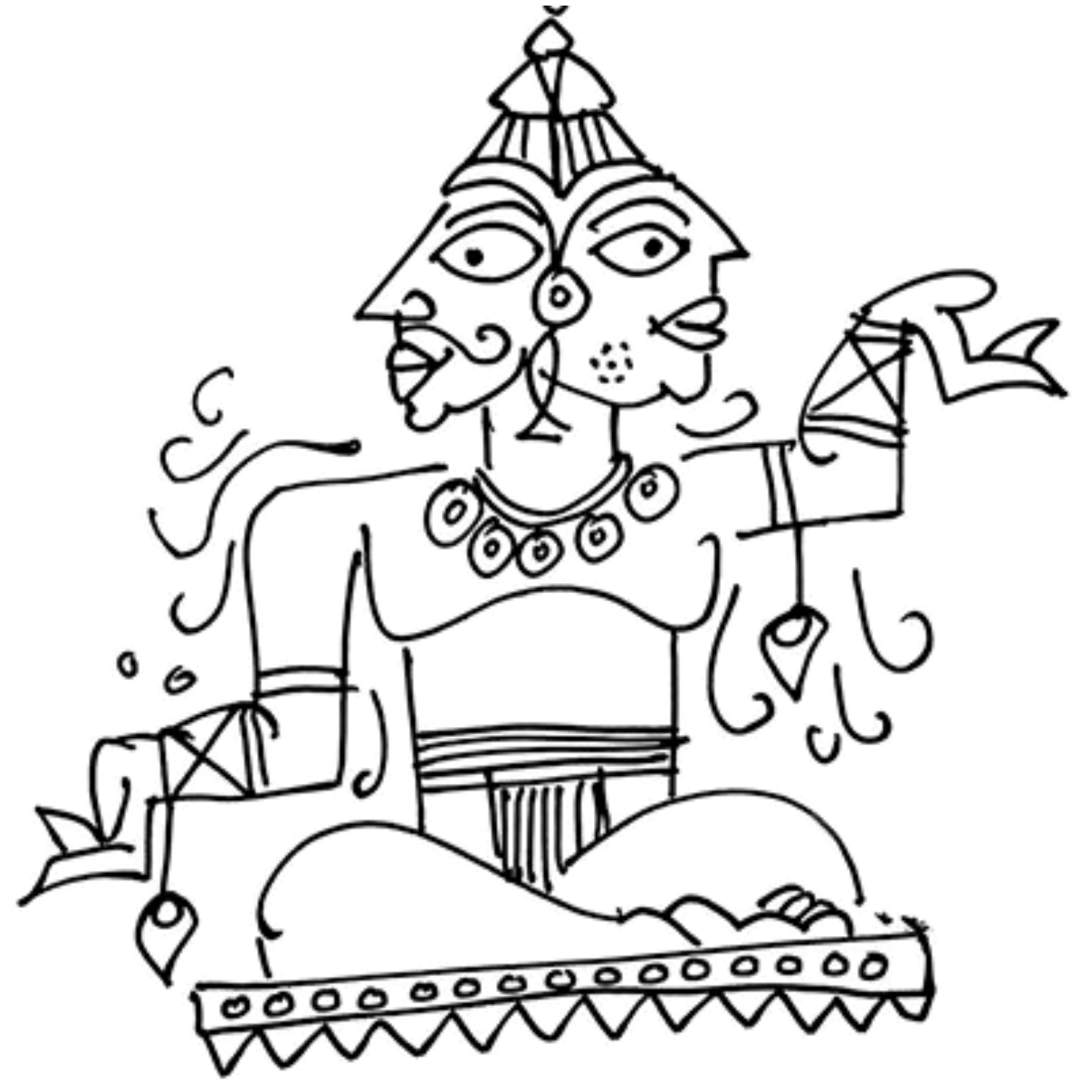
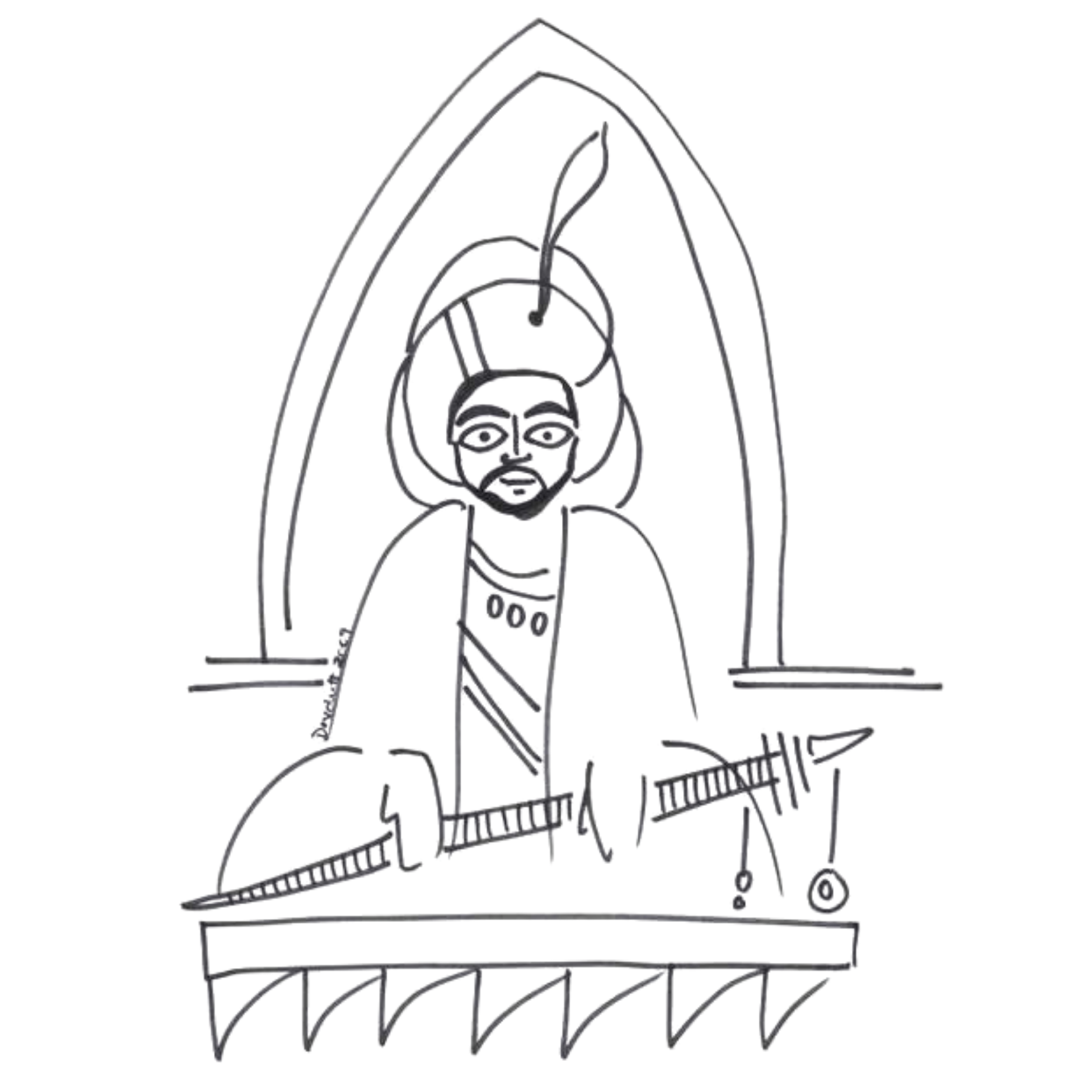
In the Mahabharata, we hear of Shakuni and Vasudev. Shakuni is the maternal uncle of the Kauravas, and Vasudev is the maternal uncle of the Pandavas. Kansa is the maternal uncle of Krishna. Each has a different character making us wonder what kind of maternal uncle we want in our life.
There is Kansa mama, the one who wants to kill the nephew and is eventually killed by the nephew. This is a rare case in Indian mythology where the younger generation strikes against the older generation. Then there is Shakuni who is allegedly supporting the Kauravas, but his advice eventually caused the downfall of the Kauravas. Finally, there is Vasudeva who doesn’t play a direct role in the life of Pandavas but does lend his support through his son, Krishna. The Mahabharata war can be seen as a battle between two maternal uncles—Shakuni of the Kauravas and Vasudeva of the Pandavas.
Other significant maternal uncles include Shalya, the king of Madra, whose nephews are the twins Nakul and Sahadeva. He is shown as unable to decide on whose side he should fight, the Pandavas or the Kauravas. He is made charioteer of Karna, but demotivates Karna by praising the Pandavas. Eventually he becomes the commander of the Kaurava army and is killed by Yudhishtira.
In Krishna lore, Krishna has a strained relationship with Rukmini’s brother Rukmi who opposes their wedding. But later they reconcile. Rukmi’s daughter even marries Rukmini’s son Pradyumna. This is a case of cousin marriage, common in South India, but not in North India. In some versions, we hear of a gambling match between Rukmi and Krishna’s brother Balaram which turns violent and Balarama kills Rukmi.
Even though Krishna is maternal uncle of Abhimanyu, he is unable to save his nephew during the Mahabharata war. Later Abhimanyu’s son, Parikshit, is the only surviving heir of the Pandavas and inherits Kurukshetra. This story is significant for it means a descendent of Krishna ends up ruling the kingdom of Hastinapur. Long ago, Krishna’s ancestor Yadu who was the crown prince of Hastinapur was stripped of his crown by his own father and the crown was given to his youngest brother Puru. Puru’s descendants Pandavas and Kauravas fight a terrible war that destroys each other, but thanks to Yadu’s descendent Krishna, whose sister Subhadra elopes with Arjuna, a child is born who inherits what was denied to an ancestor.