Published in Corporate Dossier, ET on August 17, 2012.
Is it advisable to have a totally flat organization where there is no differential treatment or extra perks or privileges given on the basis of seniority (except perhaps in salary) Examples: reserved parking, special canteens, larger cabins, business class travel, etc. Would this motivate people more or cause dissatisfaction in the ranks?
The idea of a flat organization where everyone is equal is a romantic idea, with its roots in the French Revolution, which demanded equality for all citizens, unlike the earlier feudal order where the King saw himself as a representative of God on earth and there was a hierarchy that determined identity as well as access to resources and privileges.
The idea of equality is strong in Abrahamic religions. Hence the greeting ‘Shalom’ in Judaism (from where comes the word ‘salaam’ we use in India) which means ‘peace be with you’ and not ‘salute’ as is popularly believed, for everyone is equal before God and man should bow to none other than God. Equality is the reason why Muslims are encouraged to eat from the same plate, sitting together in a circle.
But in nature, all things exist in hierarchy. The strongest, or the smartest, eats first and most. Since it is all about survival of the fittest, everyone is competing to be stronger or smarter, hence all packs and herds have a pecking order. The biggest tree will take the most sunlight. A lion will not share its food with a hungry lioness.
So hierarchy is the natural, the default state of beings. Equality is human design, a dream, an aspiration.
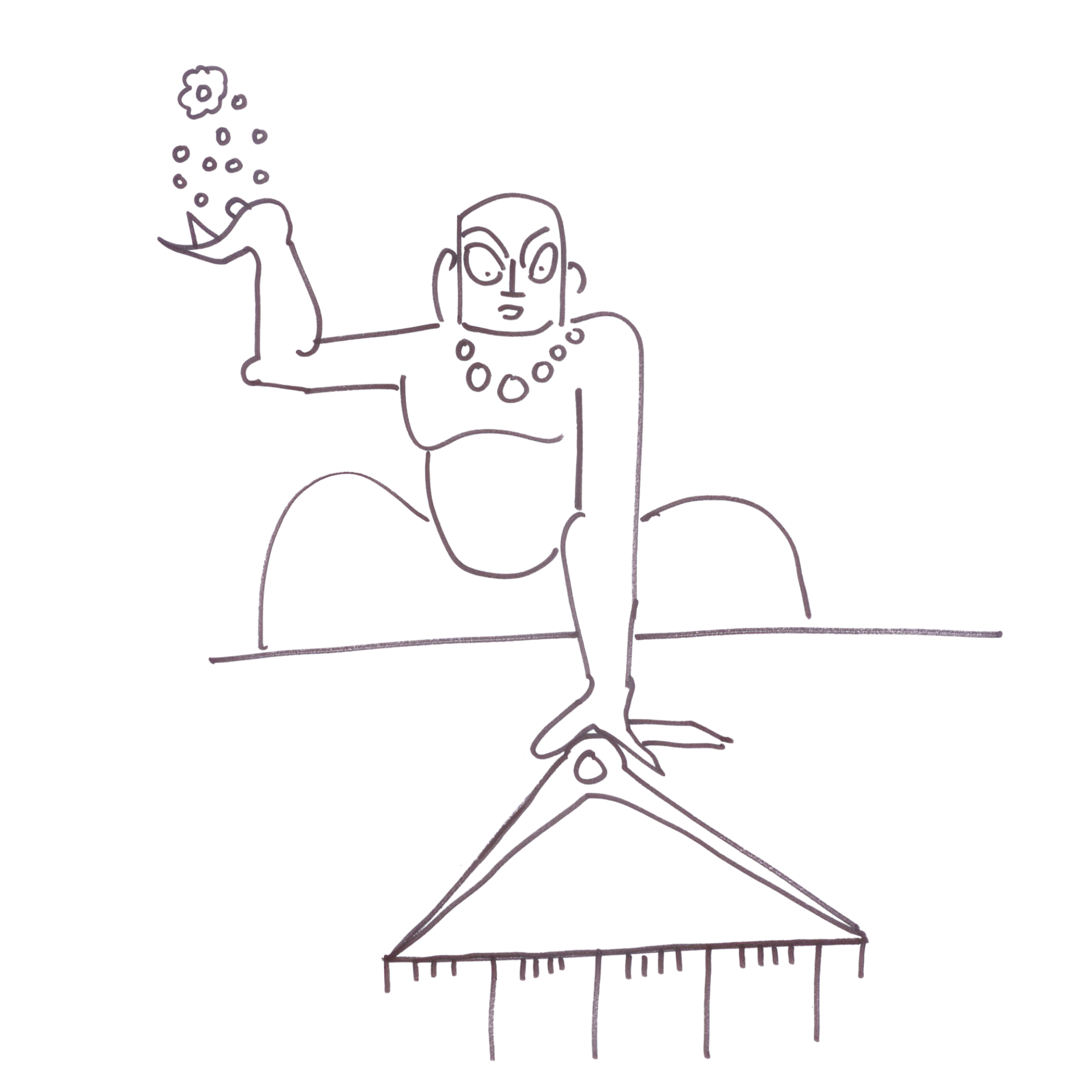
In Hindu mythology, Shiva does not care for organizational structure and hierarchy while Daksha Prajapati is obsessed with structure and hierarchy. The two are in conflict. But to be Shiva, one has to outgrow desire for all things material. He is comfortable allowing serpents to slither on top of his body; he does not mind drinking poison; he is happy wrapping his body with animal hide, not bedecking it with silks and gold. How many people in our company will be happy allowing people to walk all over them? How many people in our company are comfortable sharing resources and being treated equally?
Politically the right thing to say is that we must have equal perks in the office. So lets take a case in point: Should everyone have cabins or should we have an open office? Cabins are expensive so the CFO will favor open offices — but it will be sold to the company as the ‘right thing to do’. An open office demands discipline in people — talking softly, using headphones. It demands having conference rooms for group discussions, telephone conversations, meetings and private negotiations. Which means these need to be provided in adequate numbers. But they will always be in short supply, so there will be need for planning, hence someone to monitor and control its usage. Then there will always be emergencies when someone will be forced to forfeit their bookings. When resources are abundant, hierarchy does not matter. But when resources are in short supply, hierarchies come into the picture. And in business, resources are always in short supply as everyone is pushing the envelope.
As corporate animals, we aspire to be ‘bigger, faster, stronger’. The best gets gold. We want gold. We want the better office in the corner, the bigger car, the great address. We can, of course, outgrow this desire. It is the noble thing to do. When we are all noble, the flat organization will surely come into being. Until then, it will remain a desirable delusion of authority that those below are compelled to grin and bear.