Published in Devlok, Sunday Midday, August 07, 2011.
For most of human history, the woman’s body has been treated as man’s property, in reality as well as representation. So adultery (where the woman participates) and rape (where the woman does not participate) were both seen as an insult to a man’s honor.
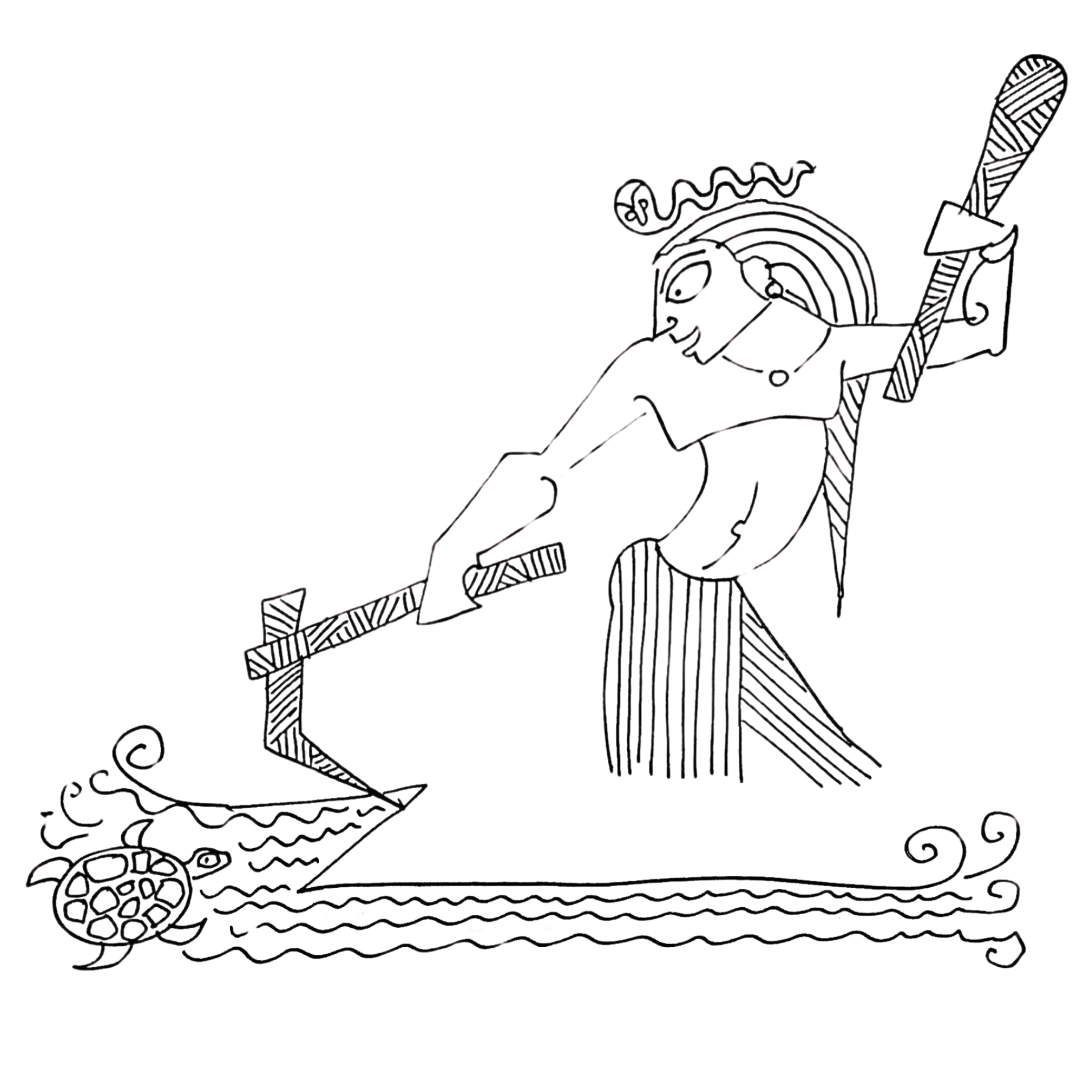
In the story of Parashuram, his mother, Renuka, experiences a momentary desire for another man. For this crime of ‘thought’, her own son beheads her on the orders of her husband, Jamadagni. She eventually comes to be associated with the goddess Yellamma, who is associated with prostitution.
In the story of Ram, Sita’s abduction by Ravan so taints her reputation, and makes her the subject of such gossip, that Ram eventually abandons her.
In neither story is the woman actually assaulted. It does not matter. The idea of being violated is terrible enough. The idea that what is yours has claimed another in ‘thought’ (Renuka’s story) or has been claimed by another in ‘thought’ (Sita’s story) is enough to deflate honor.
When we want to put Hinduism on the defensive, and want to establish that Indian traditions are patriarchal, these are the stories we tell. We do not tell stories from the very same scriptures that state say something altogether different.
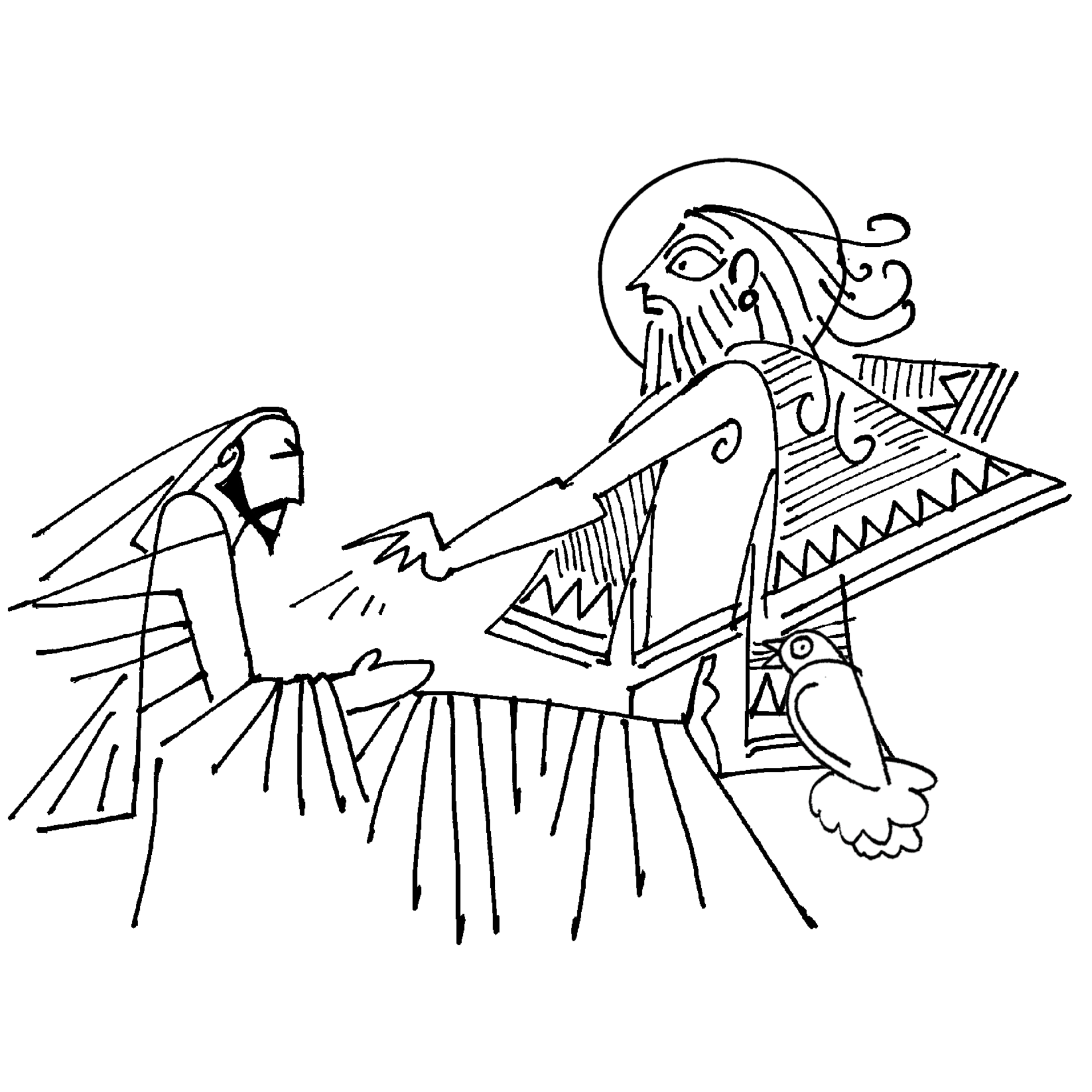
We do not tell the story of Ahalya, a certified adulteress in some versions, a rape victim in others, turned to stone by her angry husband, who is cleansed and liberated by the touch of Ram’s feet. This is the same Ram who abandons Sita. Why is the patriarchal Ram cleansing the adulteress ? No explanation offered ! Why is the patriarchal Ram not remarrying after abandoning tainted Sita ? No explanation offered ! Why are plots that reinforce patriarchy given more attention than tales of grace and forgiveness (liberating Ahalya) and tales of commitment (refusal to remarry)?
We do not tell the Upanishadic story of a boy who goes to Gautama for education and is asked “Who is your father?” to which the boy replies, “My mother told me to tell you that she is a servant and has served many men in every way. So she does not know who my father is. Please accept me as Jabali, whose mother is Jabala.” For this honest answer, the boy is named Satyakama, lover of truth, and made a student.
We do not tell the Mahabharata story of Shvetaketu who is horrified to find his mother with another man. When he complains to his father, Uddalaka, the father says, “A woman is free to do as she pleases.” When the son questions his paternity, Uddalaka says, “It is not my seed that makes you my child, it is my love.”
Yes, there are stories where a woman’s body is treated as property. But there are also stories where a woman’s body is not treated as property, where women are seen as sovereign of their own lives. Why are the latter stories not told in schools and colleges and by secular, Left-wing and Right-wing intellectuals?
I feel there is an imagination that is repeatedly reinforced that ancient times were misogynist and modern secular laws will repair the damage. This is absurd. Jerks who disrespect women in particular, and people in general, existed then, exist now and (I shudder as I write this) will continue to exist, Khap or the Indian Penal Code notwithstanding. Can we please put the spotlight on the non-jerks please?