Published in Corporate Dossier, ET on April 20, 2012.
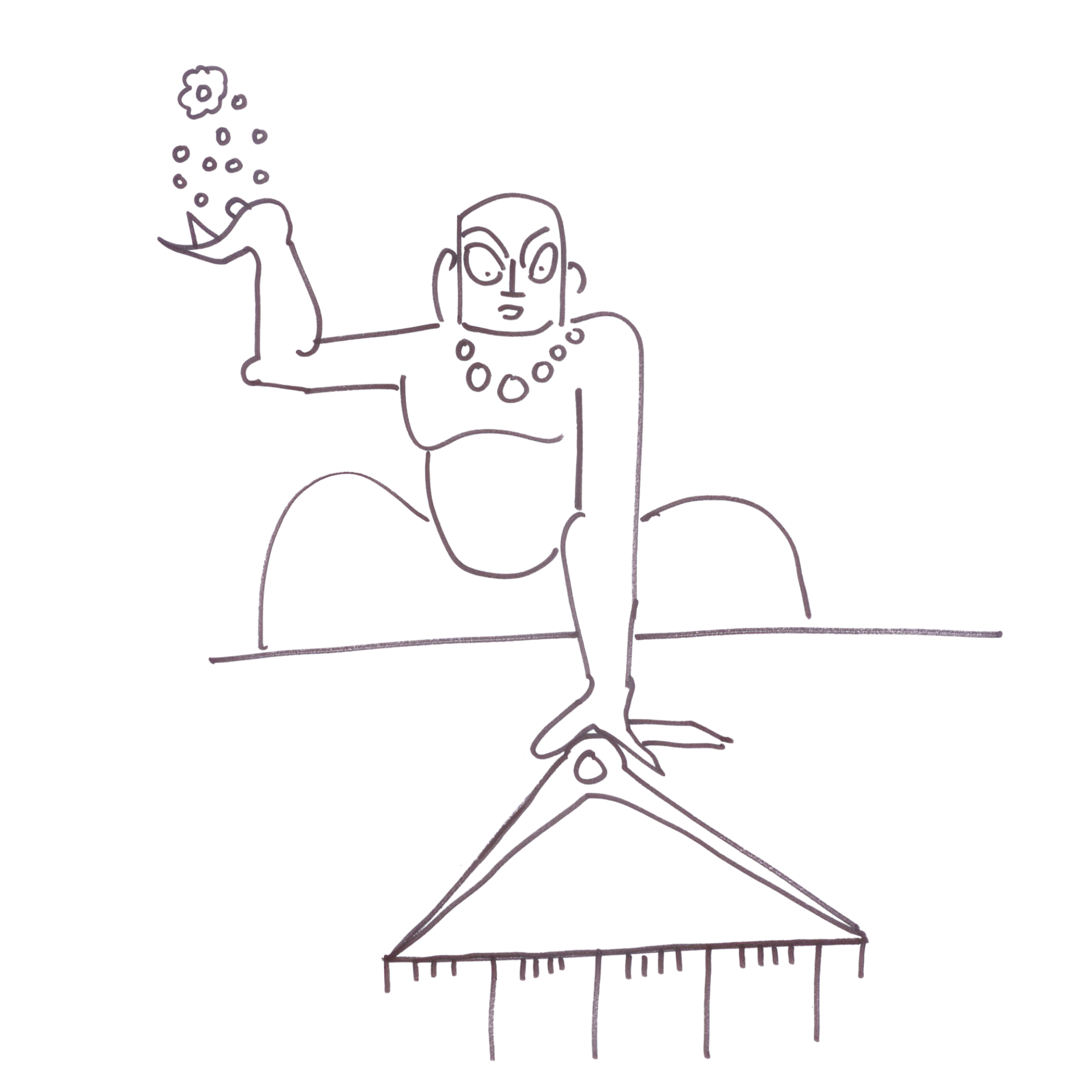
When Rishi Gotama returned to his house, he found his wife, Ahalya, in the arms of Indra, king of the Devas. Furious,he cursed his wife Ahalya to turn into stone and Indra to be covered with sores. This story is found in the first chapter of the Ramayana, the Balkanda, which deals with the childhood and education of Ram,prince of Ayodhya. The sage Vishwamitra takes Ram to the hermitage of Gotama and shows him the stone that was once Ahalya. She has been condemned to be trodden upon by bird, beast and stranger. Vishwamitra asks Ram to touch the stone with his feet and liberate Ahalya so that she can rejoin her husband.
In the different versions of the Ramayana, the story of Ahalya is told differently. In some versions, she is the guilty adulteress, who gets caught in the act. In other versions, she is innocent, duped by the wily Indra who takes the form of her husband. There are versions where Ahalya is the bored and tortured wife who finds solace in the arms of Indra. The narrators struggle to explain why Ram forgives Ahalya. It makes sense for Ram to forgive someone wrongfully accused than someone who is truly guilty.
Often in business, we have to deal with people who have not kept their commitment, who have broken their word, who have demonstrated questionable integrity. There are attempts to justify their actions and plead their case. There are attempts to show that the conclusions drawn are based on false data, spread by mischievous forces. We have to decide if we have to let Ahalya stay a stone or liberate her from misery. We have to decide when the punishment, justified or not, is enough.
It was clear to Paritosh that the caretaker of the company guest house was siphoning funds. But there was no proof. It was a combination of hearsay and gut feeling. Murlidhar the caretaker was told to go on a long leave. In his absence, Jotiraj, took over as caretaker and the services in the guest house showed a marked improvement at a much lower cost. The old-timers said maybe Murlidhar was simply inefficient. The auditors said Murlidhar was a cheat. Murlidhar insisted he was innocent.
After six months of deliberations, Paritosh reinstated Murlidhar. Everyone wondered if Murlidhar was innocent or if he had been forgiven. When asked Paritosh said, “I really do not know. But the six months has been harrowing enough for Murlidhar. If he was guilty, he has been punished. If he was innocent, he will learn to be more efficient. No one is perfect and people do make mistakes in life. If we do not forgive and move on, we will end up creating a smug self-righteous organization where there is no compassion. That is not the kind of company I wish to create.” Perhaps compassion is also the lesson Vishwamitra was trying to teach Ram.