If one goes to Tibet and asks a Tibetan how Buddhism reached Tibet, one will hear the story of how Padmasambhava came in the 8th century and helped the local king tame the difficult demons who lived across the Tibetan countryside, using his own brand of Buddhism, which involved magical chants, rituals, and secret occult rites involving mantras, yantras, and even sexual practices.
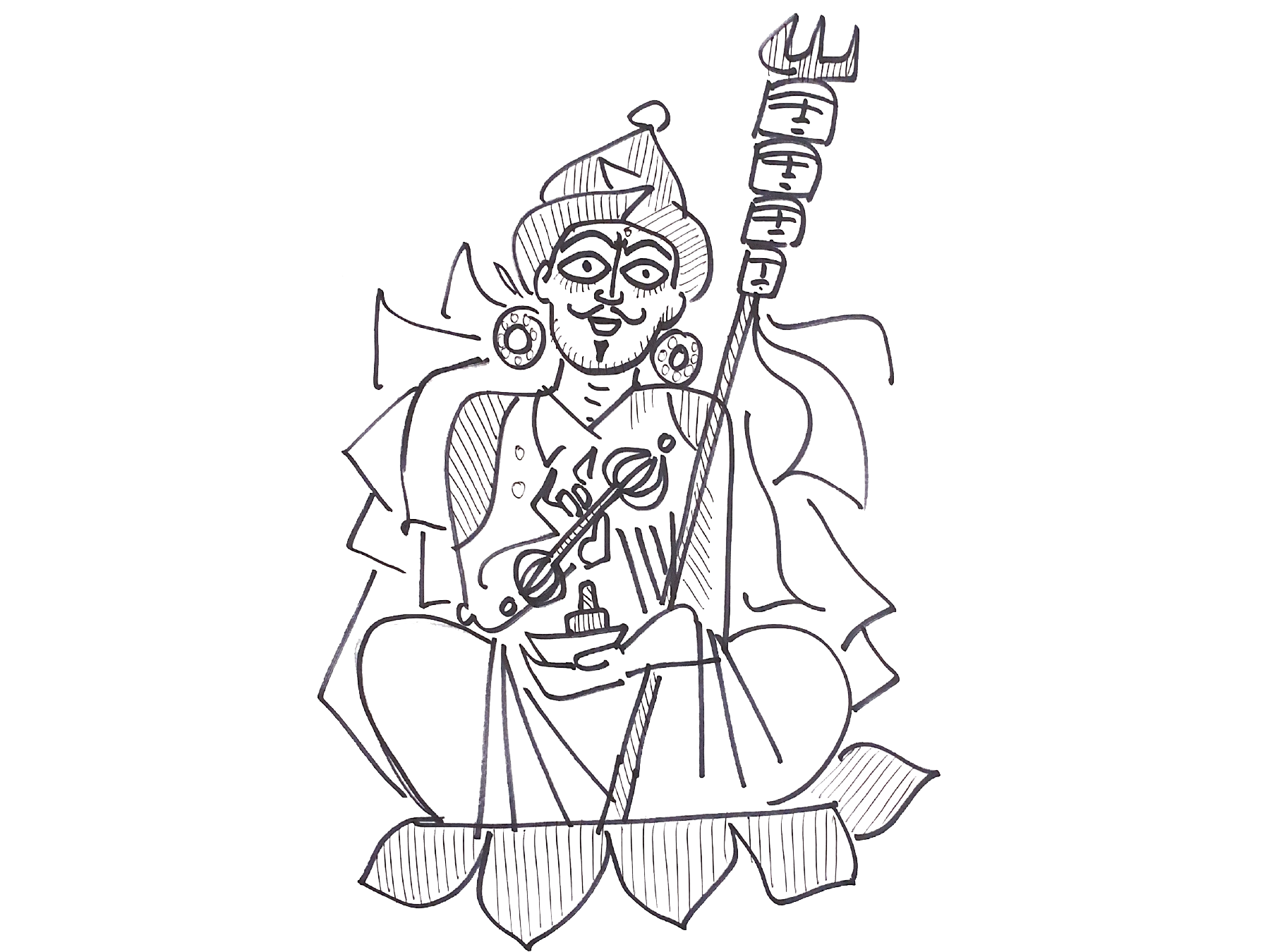
Images of Padmasambhava are found across Tibet. He appears very Shiva-like, with a trident and a string of human heads, and is linked with powerful female figures said to have come from various parts of Tibet, Nepal, India, and China.
But if you ask historians, they will give a very different account. They will speak of how one of the earliest Tibetan kings in the 7th century was considered a form of Avalokiteshvara and how Buddhism probably travelled to Tibet through merchants and traders who journeyed from Nepal through the mountain passes to Tibet as they traded for gold and borax.
They will also mention how a later king invited other Buddhist monks, one of whom said that to control the various spirit deities of Tibet, they needed a more powerful Buddhist figure, someone who specialised in tantric Buddhism or Vajrayana Buddhism, called Padmasambhava.
A real person or a legend?
The earliest accounts of Padmasambhava, which appear much later, after the 12th century, say that the king was initially in awe of his magical practices but later grew insecure and jealous, eventually requesting him to leave the land.
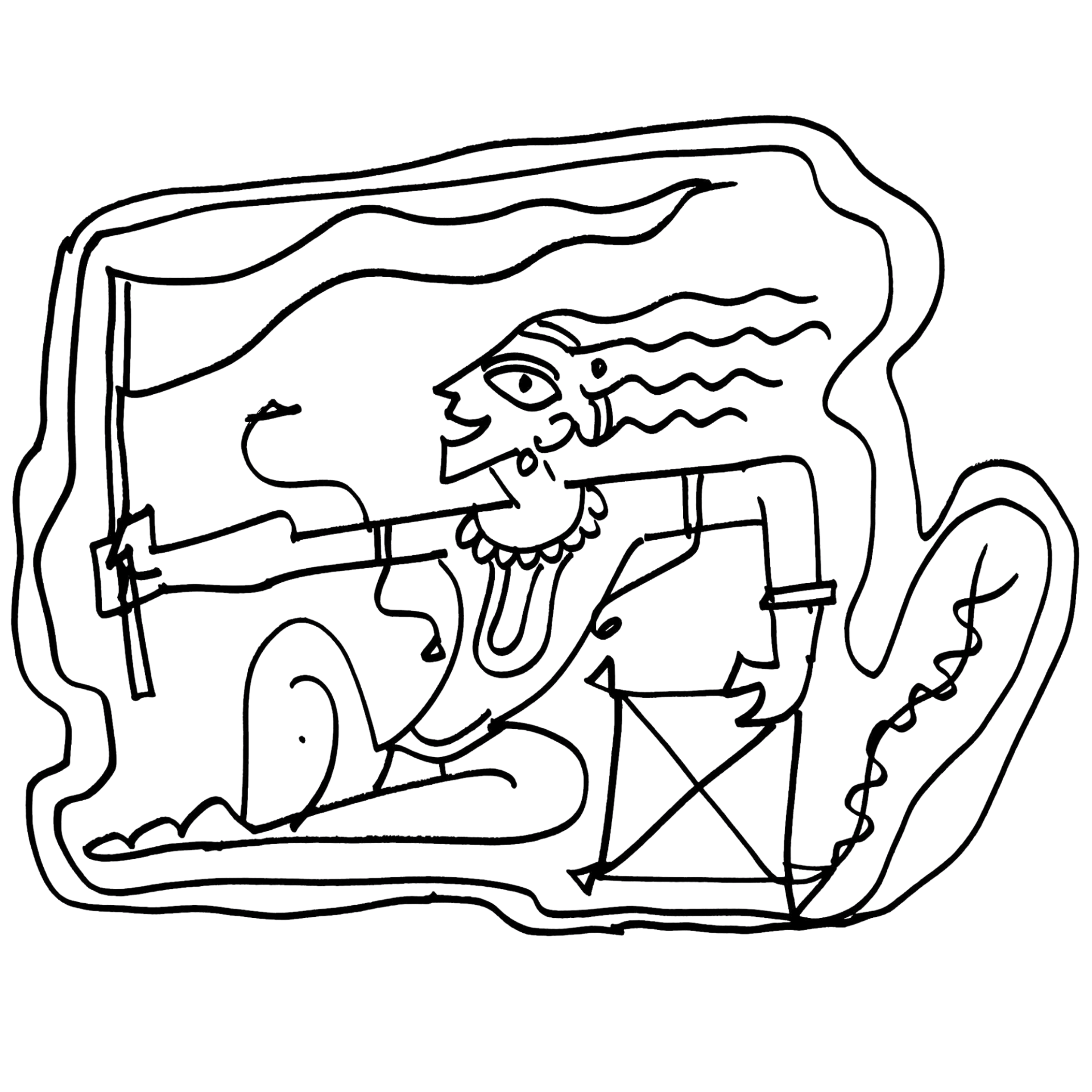
While Padmasambhava was departing, the king even sent archers to kill him. However, Padmasambhava was able to freeze the archers and told the king that since he was not allowed to complete his practices, the kingdom would suffer greatly in the future.
These stories have led historians to question whether Padmasambhava was a real person or perhaps a later legend created to explain, in a simplified manner, the transformation of Tibet from the old Bon religion to its unique form of Buddhism based on Vajrayana.
This form of Buddhism places significant emphasis on female deities, depicts sexual or occult practices on walls, and incorporates the use of mantras, yantras, and mandalas.
Various Buddhas and Bodhisattvas are painted in circular formats, a stark contrast to the older Buddhist art found in Sanchi, Bharut, and Gandhara
The source of these ideas
Where did these tantric ideas originate? Western scholars insist on the Swat Valley in Gandhara, but by the 5th century, this area had been attacked by the Huns, and Buddhist practices had been nearly obliterated. There is no trace of Tantric Buddhism found anywhere in the Gandhara region.
In contrast, the land of Udyana, probably referring to Odisha, experienced a massive influence of different kinds of Buddhism between the 5th and 10th centuries.
There is stupa-based Buddhism, and then there is image-based Buddhism with various forms of Buddhas, Dhyani Buddhas, Adi Buddhas, Bodhisattvas, and goddesses like the different forms of Tara and the sword-wielding Manjushri, as well as local goddesses like Vajra Varahi.
While goddesses are sometimes shown seated on the laps of gods, there is no overt sexual imagery nor direct hostility towards Hindu gods, both of which are found in Nepal and Tibet. It is believed that from regions such as Assam, Bengal, and Odisha, Tantra flourished.
This was the land of the goddesses from where tantric Buddhism emerged and then spread to the hilly regions, as local patronage of Buddhism receded over time.
The link with Shankaracharya
Padmasambhava’s rise in Tibet roughly coincides with the time when Shankaracharya lived in India. Again, we encounter simplistic narratives of how Shankaracharya supposedly wiped out Buddhism in India through intellectual debates and violent activities, as per Nepalese chronicles known as Vamsavali composed in 15th century, and by transforming non-vegetarian goddesses into vegetarian ones across different parts of India.
While Padmasambhava travels from Eastern India to Tibet, Shankaracharya focuses on the Indian subcontinent. Padmasambhava imports Buddhism into Tibet. Shankaracharya’s debates plays a role in the removal of Buddhism from Himalayan regions.
Padmasambha thrives north of the Himalayas and in Himalayan kingdoms. Shankaracharya is revered in the south of the Himalayas, especially Uttarakhand and Nepal.
Padmasambhava and Shankaracharya are linked to Tantra. Both are considered Siddha though Shankaracharya is less linked to women, and ironically more like the older monastic Buddha. Shankaracharya sees the Goddess as his mother while Padmasambhava is more Shiva-like with many consorts who serve as his shakti partners in Tantric rituals.
By attributing the rise of Buddhism in Tibet to just one person, Padmasambhava, and the decline of Buddhism in India to just one person, Adi Shankaracharya, we attempt to simplify history for ourselves.
However, the reality is far more complex, extending over vast spaces and time periods. It involves Tantra which few talk about. Unfortunately, few have the patience to explore this complexity, especially not politicians.