Published on 4th December, 2022, in Mid-day.
Indonesia today is a Muslim country except for the island of Bali. However, over 1,000 years ago, the island of Java saw great competition between Tantric Buddhism and Tantric Hinduism. This resulted in the creation of some of the most magnificent structures in the world that even today evoke awe in the beholder.
Indonesia is made up of over 17,000 islands of which 7,000 are inhabited. Java is one of the larger islands with several volcanic peaks. These are considered sacred because the volcanic ash makes the land fertile. The mountains collect river water that irrigate the fields. Around Mount Merapi, we find two great temples built here between the 8th and 9th century by the local Shailendra and Sanjay kings. They patronised Tantric Buddhism and Tantric Hinduism. The Tantric Buddhist branch of the royal family built Borobudur. The Tantric Hindu branch built the Prambanan structure. We know they are tantric because an aerial view reveals that they are built on radially symmetrical square-shaped mandalas with four doorways.
The Borobudur shrine is built like a mountain. There are six layers that are square and three layers that are circular. It is essentially a stupa. As one goes up these stairs, it is like going through a circular, complex, maze-like path. The central Stupa is designed like Mount Meru. As one walks these paths, one encounters smaller Stupas, which are perforated, cylindrical structures within which are images of the Buddha. Along the path, there are stories of Buddha’s life, stories of his previous lives (Jataka tales) and stories of Gandhavyuha’s quest for a teacher. There are also panels which show Heaven and Hell, how people who have good karma will be rewarded and how people with bad karma will be punished. There are about 2,500 story panels with 504 Buddha statues, with 72 Buddhas in perforated domes at the centre.
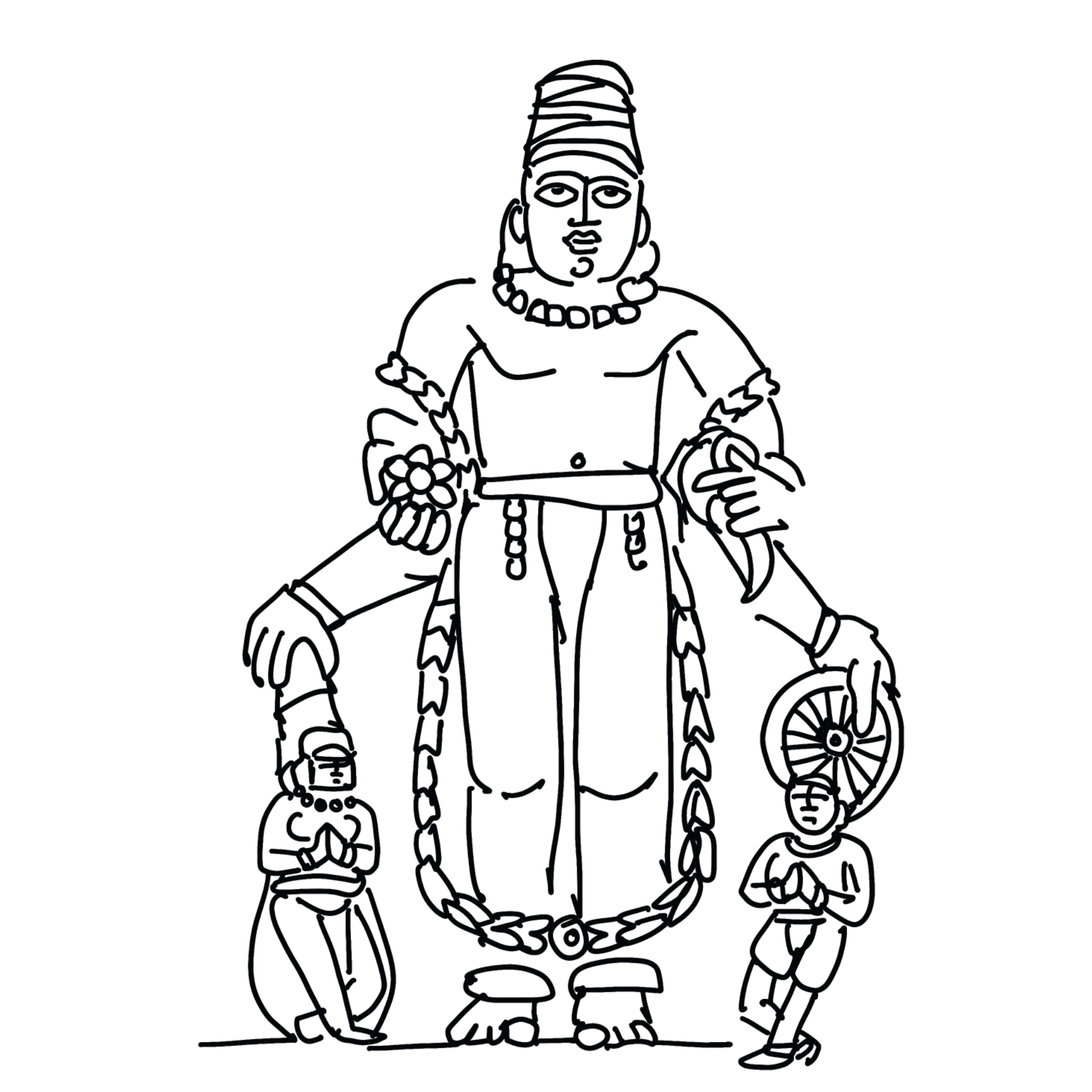
By contrast, the Hindu site of Prambanan is designed like a court. There is a central court. The peripheral part is made of hundreds of small tiny temples, arranged in four rows, perhaps indicating the four castes of Brahmanical society. These tiny temples house minor gods from around the universe, and the countryside, which pay obeisance to the central court. In the central court, we find a temple to Shiva. In this temple are also images of Ganesh, Durga, and Agastya, Shiva’s favourite rishi who travelled from north to south. On either side of the Shiva temple are temples dedicated to Brahma and to Vishnu.
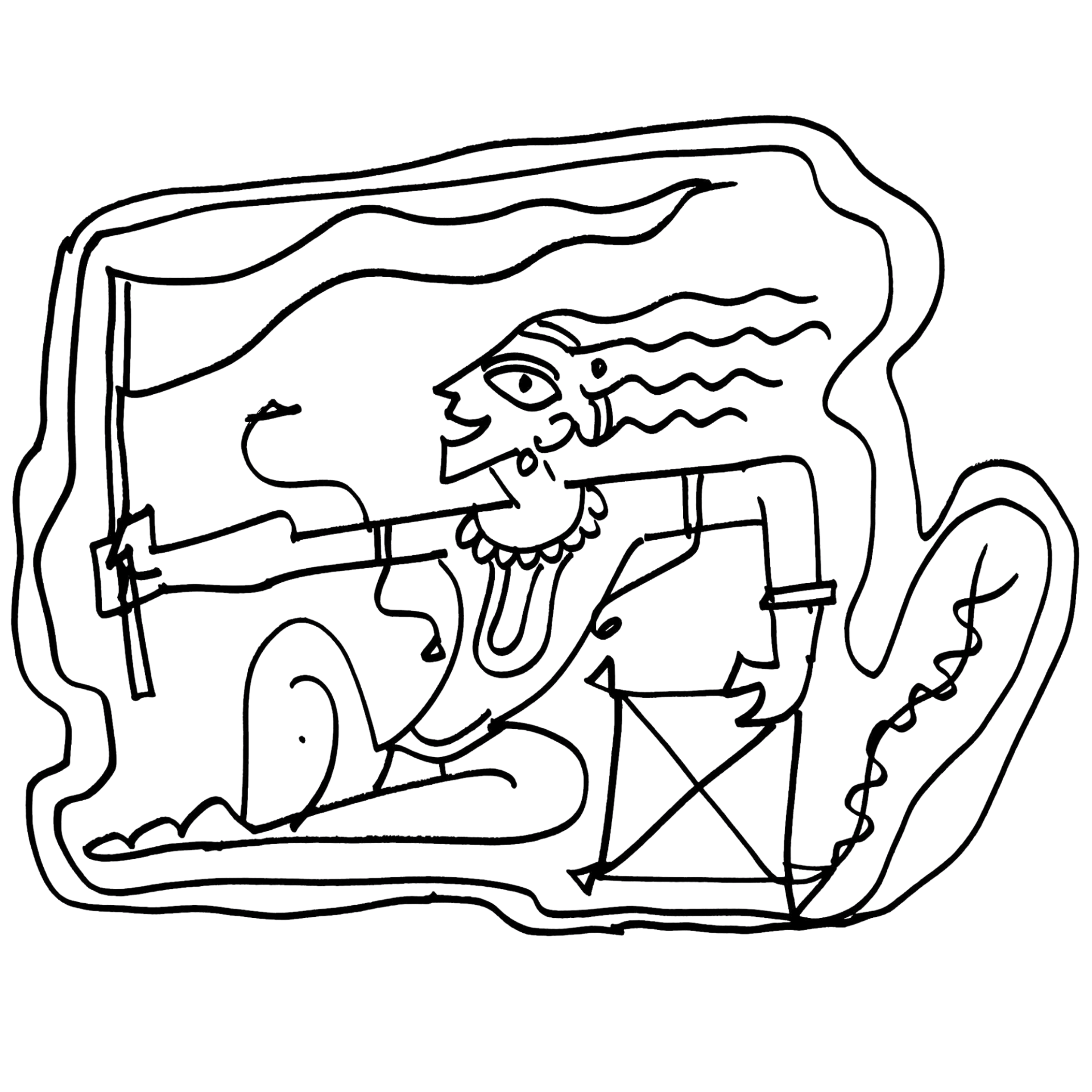
On the Brahma side, there are images of hermits. On the Vishnu side, we find images of kings and apsaras. These contrasting images show the spiritual and material worlds. In front of these three temples, with tall pyramidal roofs of the Hindu Trinity are temples dedicated to their respective mounts: Nandi, the bull of Shiva; Garuda, the eagle for Vishnu; and Hansa, the swan of Brahma. On the left and right side are temples which probably once housed images of Lakshmi and Saraswati. The temple walls also have panels illustrating episodes of the Ramayana, the story of Krishna defeating asuras while he was protecting the cows, including the episode of killing Kalia.
Both these temples were active in the 8th and 9th centuries. However, after a volcanic eruption, they were abandoned and forgotten. They were rediscovered in the 19th century. By this time people had forgotten the great Buddhist and Hindu legacy of Indonesia.