Published in Corporate Dossier ET, June 07, 2013.
I am a new CEO who has just taken over from a very hard driving European. And one of the first measures I did was to have an open door policy and drive a very open communication culture so that people feel comfortable discussing their problems with me and generally the atmosphere around the culture lightens a bit. But very soon this has come back to bite me, the top team walks in as a matter of right, the middle managers want my approval in everything, even executives drop in to say hi. Its leaving me with less time for actual work and is disrupting the chain of command and generally creating a non-productive culture. How do I set this right? I don’t want to be rude and hear barbs like ye bhi CEO ban ke badal gaya hai.
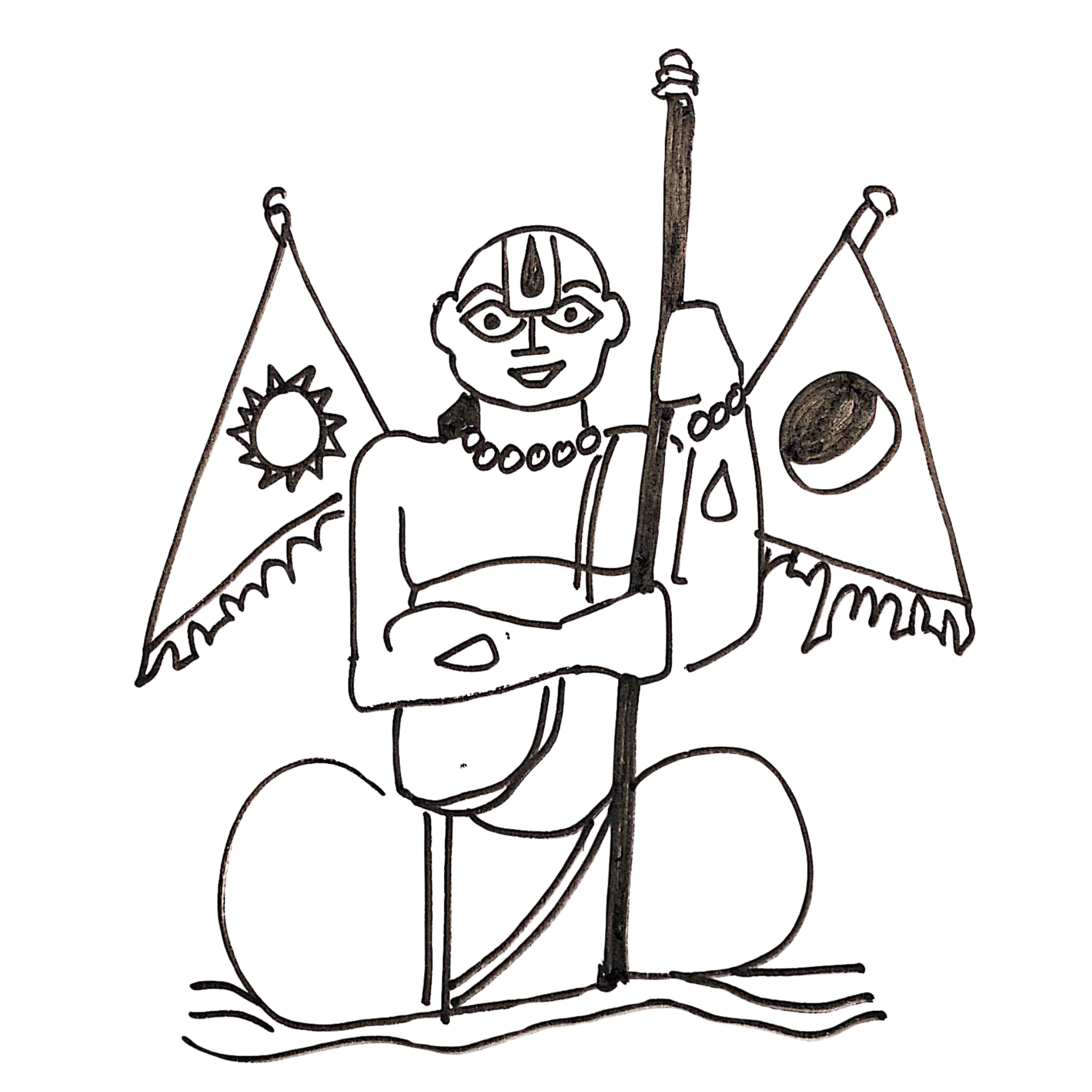
If you go to Tirupati Devasthanam, you will find the doors are open at some time and shut at others. At all times, on the gate, are two doorkeepers, Jaya and Vijaya, who look just like Vishnu but have fangs. Why this elaborate gatehouse? It communicates the doors are open to all — sometimes — and one needs to respect the time of the person enshrined within.
You need to establish your gatehouse. Yes, you want to be seen as welcoming, but you also need to be seen as the boss, the leader, who knows what he wants, who knows where he wants his team to go and who empowers and enables his team to come along the chosen path, towards the chosen direction. Merely keeping a door open does not communicate this.
All this business about open doors and open cabins and transparency are nice ideas, counterforces to shut doors, closed meetings and a culture of secrecy. Both are means to an end. If the end is not being achieved, the means have to change. You need to clarify first, what end do you seek. How do you want to be seen? Clearly as an accessible guy. But are you genuinely an accessible person? It is okay not to be. Liberate yourself from the burden of trying to force-fit yourself into some ‘ideal leadership template’. These templates are dangerous.
Clearly, impressions matter to you. You want to be different from your predecessor, the hard driving European. You want to be seen as an accessible leader with your open-door policy. You are terrified that you will be accused of badal gaya if you shut the door. You want to be seen in a particular way. But who are you? What makes you comfortable? You are clearly not comfortable with consequences of the ‘open-door policy’ yet you instituted it to be seen as different.
What people want is a leader who tells them what to do and enables them to do it. The purpose of the open door is to make people feel that they can come up to you to clarify their thoughts and to be honest enough to seek help or offer opinions without feeling uncomfortable or frightened. The open door is physical expression of a psychological state. If that psychological state does not exist then the open door is useless. By forcing people to baptize, we don’t change their beliefs. Rituals are expressions of an emotional state. Many people believe that rituals alone can change beliefs; they don’t. They create hollow choreographies that people follow because they have no option.
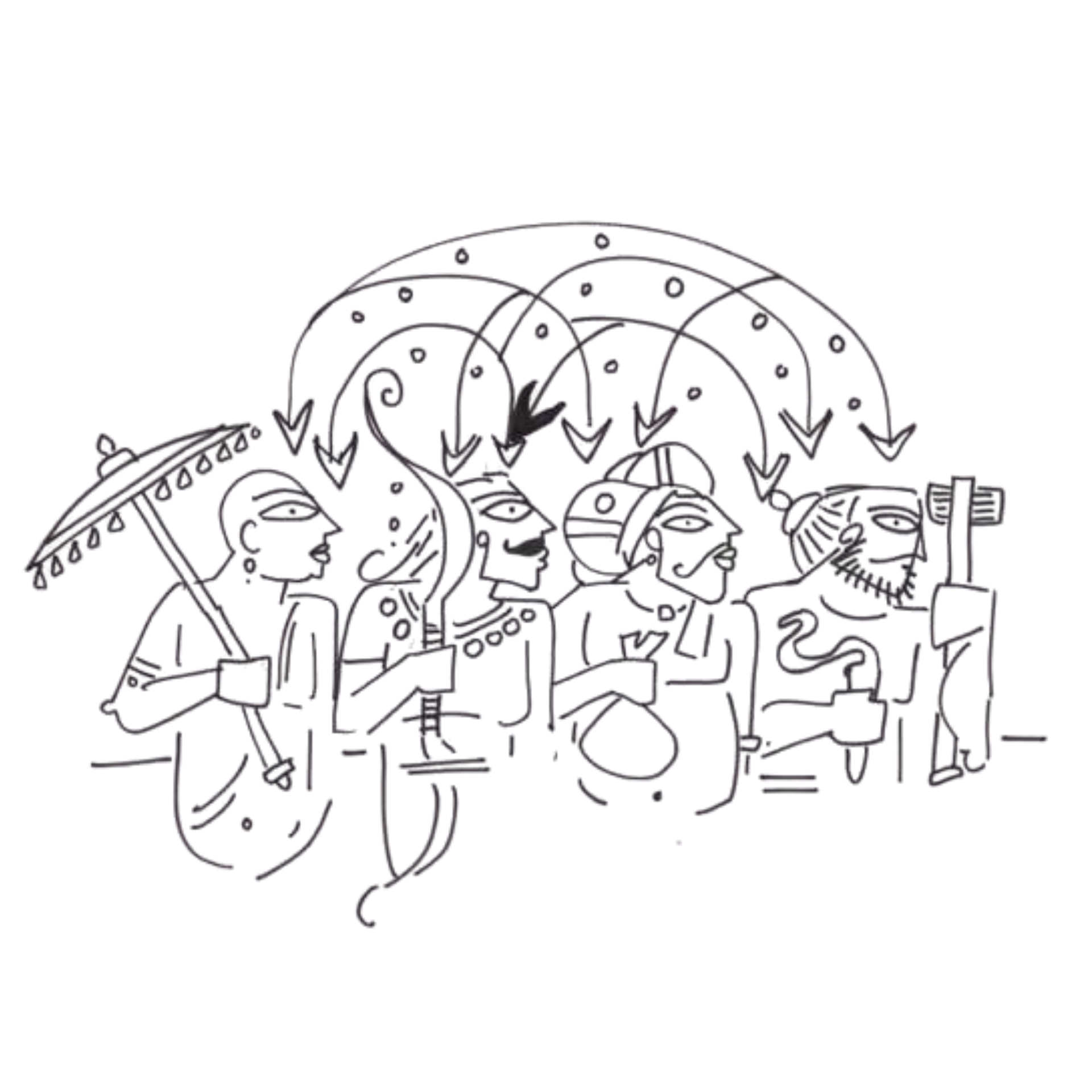
More than opening your door, ask yourself: why do people walk into your cabin? Welcome them, but check if they are there to do timepass (fine if they have done their work, or they need a break, but not at your cost), if they are here for approvals (fine, if they don’t have it in their power; not fine, if it simply reverses delegation or abjuration of responsibility) or if they simply want to show they are close to you because of rank (that is just silly). Talk and finally establish a culture of responsibility where people enter the temple to nourish themselves and go back and be great at their own desks.