Published on 29th September, 2017, in The Economic Times.
When the Vice President recently referred to Lakshmi as Finance Minister, he revealed a popular misunderstanding of Hindu mythology.
Lakshmi is the embodiment of wealth, but she is not the one who manages the wealth. We want her in our house, but bringing her in is our responsibility, not hers. She is Finance, not Finance Minister.
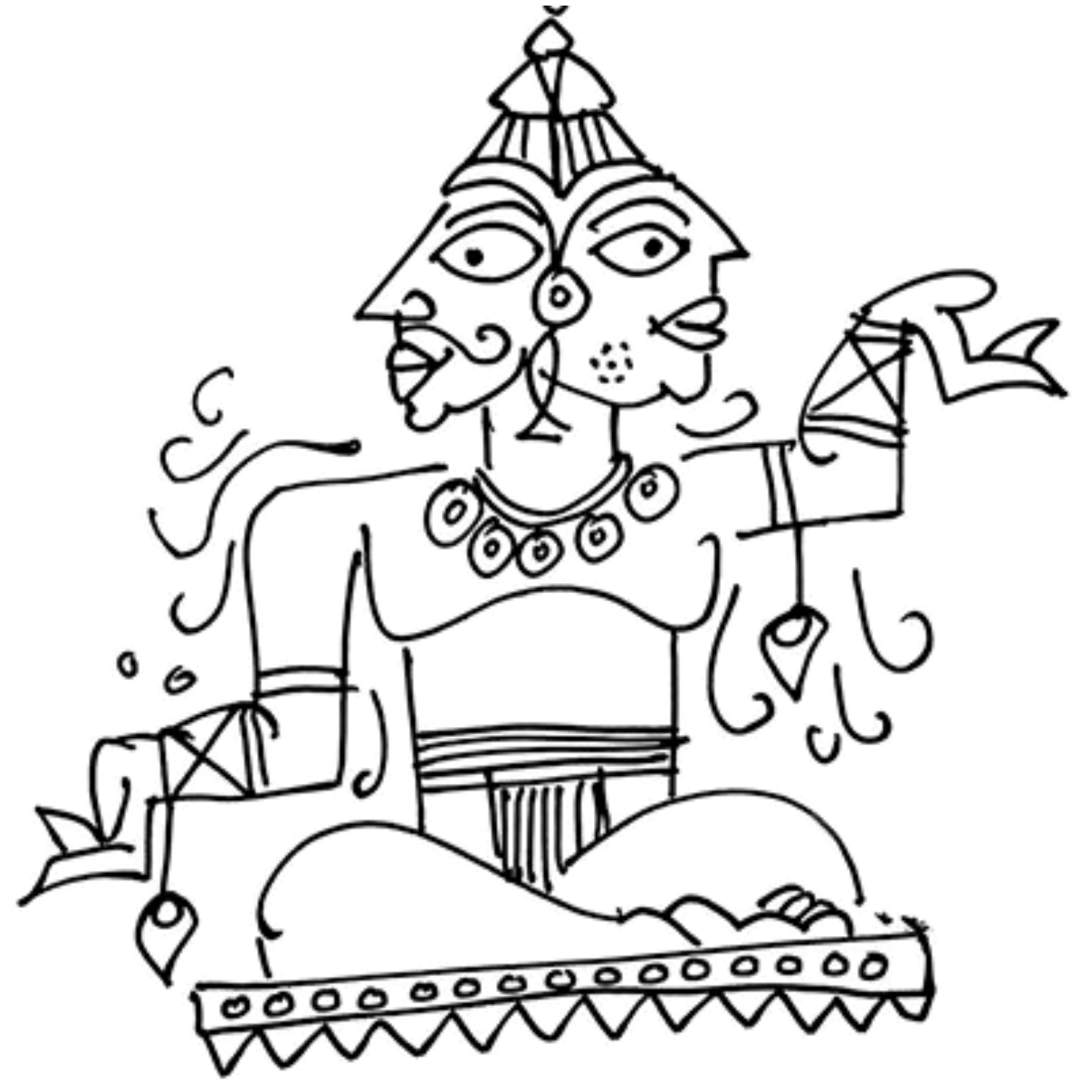
The Finance Minister, and more importantly the Prime Minister who guides him, needs to be one who knows how to ‘attract’ Lakshmi, in other words, Lakshmi-kanta, or Lakshmi-vallabha, which means the beloved of Lakshmi. In the Hindu Puranas, that status is given to Vishnu, the preserver of the cosmos.
Shaivas, who preferred worshipping Shiva to Vishnu, worshipped Lakshmi alongside either Ganesha, son of Shiva, who is closely associated with Kubera, king of yakshas, often identified as the treasurer of the gods. Lakshmi is a much-loved goddess, who was celebrated long before Hindus started worshipping Shiva or Vishnu. The earliest hymns invoking her is the Shree-Sukta of the Rig Veda.
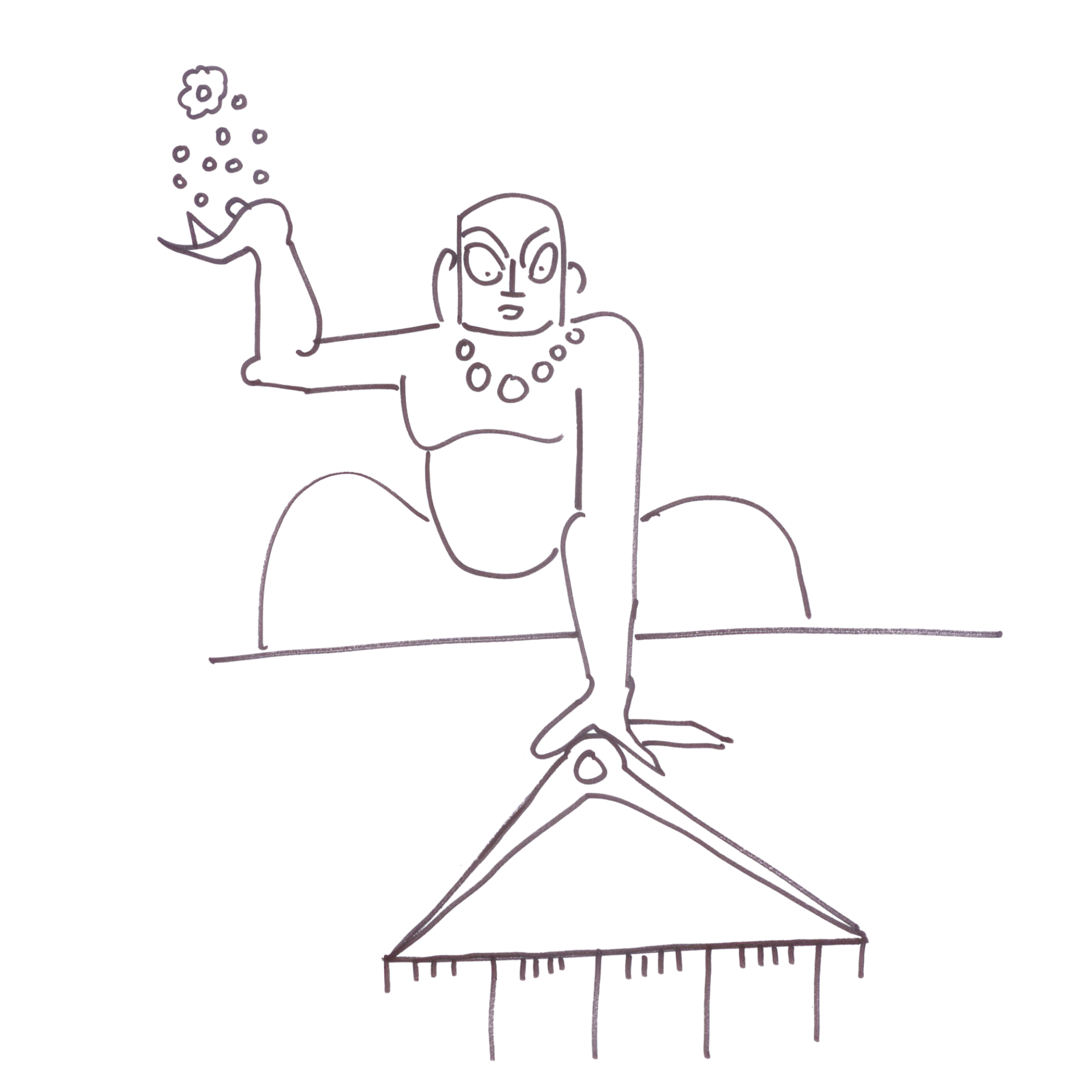
The yajaman, who invokes her, seeks grain and gold, cows, and horses. Though Buddha spoke of giving up desires, his followers and disciples adored her, and her earliest images, standing with a pot surrounded by lotus flowers are found in the railings of 2000-year-old Buddhist stupas of Gaya, Sanchi and Barhut. She was closely associated with yakshas, misshapen subterranean dwarves, who were linked to treasures, and to nagas, serpent beings associated with fertility. She was also linked to elephants, associated with water and rains.
Everybody wants Lakshmi. In Puranic literature she is associated with tangible assets like land (Bhu-devi), and intangible value (Shree-devi). Thus, in Vishnu temples, the presiding deity is flanked by Bhu-devi and Shri-devi. In Gupta period, 1500 years ago, we finding carvings of Vishnu taking the form of a wild boar (varaha) and carrying Bhu-devi on his snout.
It represented kings who secured the land from marauders. On the Deogarh temple wall, also built in the Gupta period, we find Vishnu reclining on a naga, with Shreedevi massaging his feet. These were images designed to display royal wealth and power.
But Lakshmi is called chanchala, the fickle one, whose movements cannot be predicted. It was the duty of the king to entice and secure her in his kingdom. In fact that is the whole purpose of a king according to Chanakya’s arthashastra: to create a safe and fertile ecosystem where business can thrive and wealth can be generated.
The Vedic god, Indra, chased Lakshmi. But the Puranic god, Vishnu, attracted Lakshmi. The Vedic god was obsessed with war and victory and so always found his paradise (Swarga) in siege. The Puranic god focussed on govern-ance and order (dharma) and that is what made him worthy of Lakshmi’s love. Indra is shown as self-absorbed and self-indulgent and insecure.
Vishnu is shown as wise and concerned over other people’s welfare. There is a lesson here that many politicians who peddle Hindu mythology need to learn.