When a human being is confronted with a problem, we either flee, freeze or fight. This is a physiological stress response, seen even in animals when confronted with a threat. In humans, our imagination transforms this natural response into expressions of faith. And so, we find that religions around the world offer three kinds of solutions: flee from the world through mysticism, freeze in the world through devotion, fight the world with occult practices. In different proportions, we find these three paths in all religions.
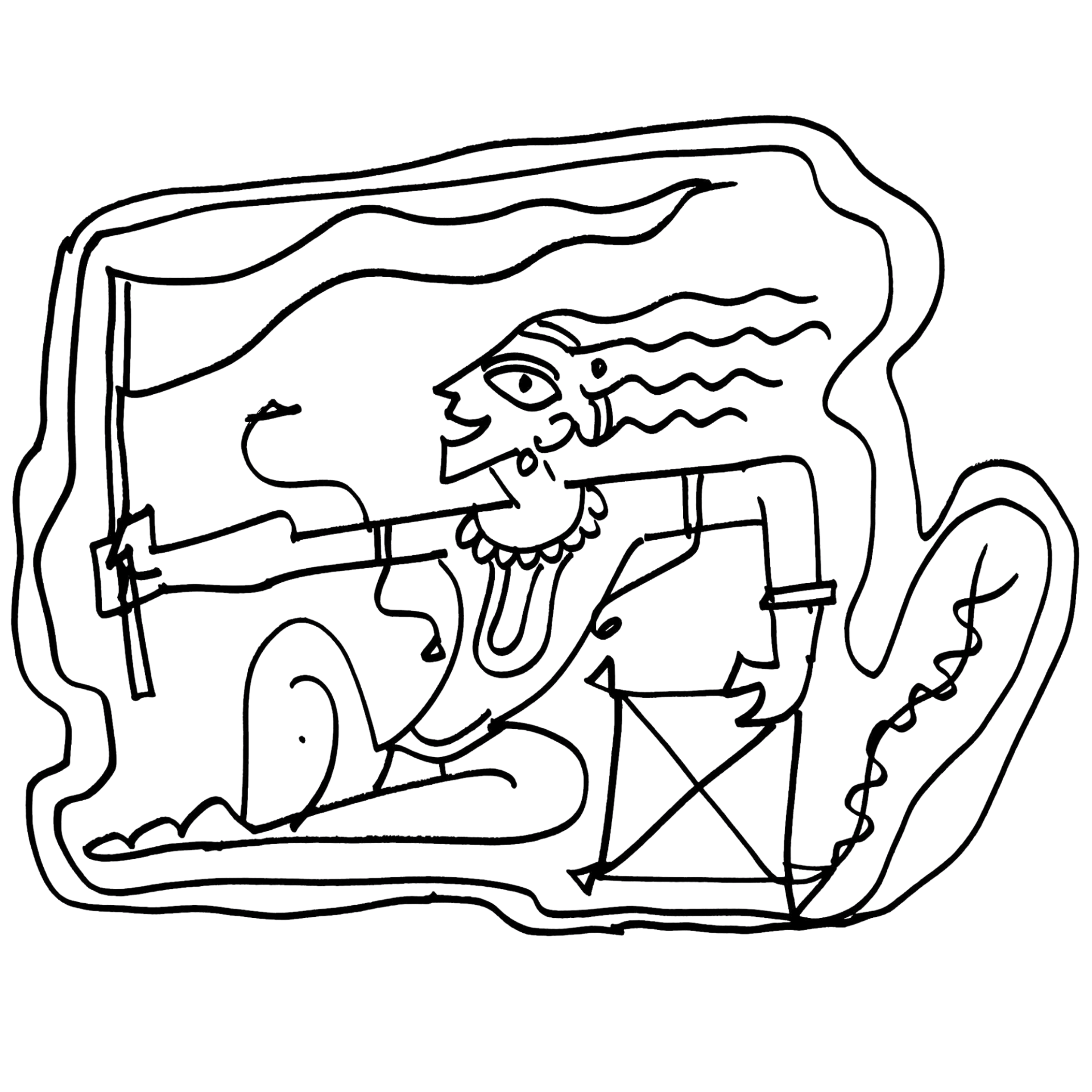
The oldest form of Buddhism was a rejection of the world. It was a flee response. It was monastic. It sought to withdraw from nature and culture, wanting to outgrow not just social responsibilities but hunger, too. This was called Nikaya Buddhism, similar to Vedanta, the monastic strain of Hinduism which is more philosophical, and popular amongst Hindu hermits. Christian monks and Sufi mystics embody the flight response of their respective faiths. They speak of union of the finite individual with the infinite divine. This was also the most intellectual side of religion.
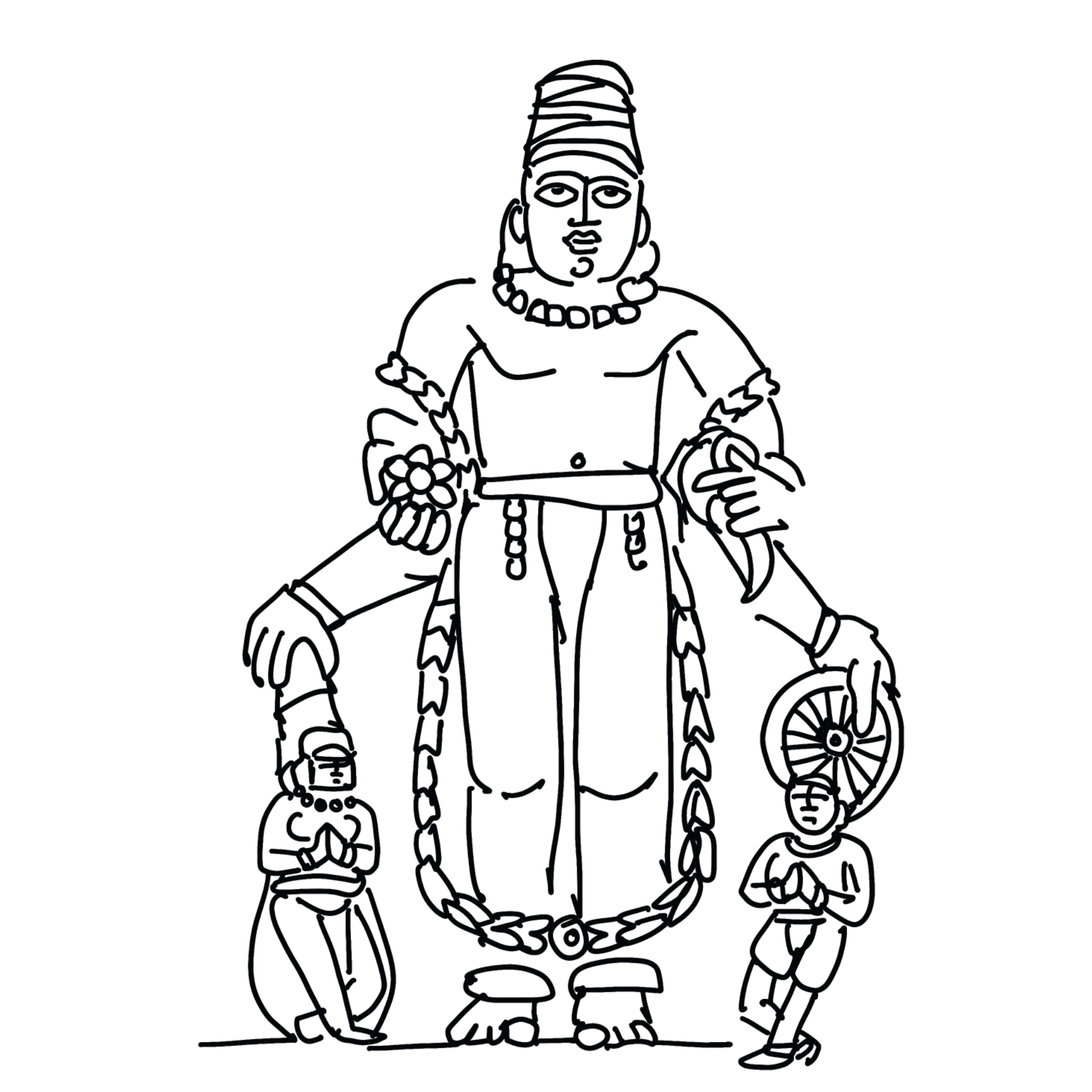
Then came Mahayana Buddhism, where Buddhist images started being worshipped. Buddha became a god who can save you. Bodhisattvas, too, emerged as protective angelic beings who delay their own nirvana to help you out. This was Buddhism’s freeze response, where you surrender to a higher power, similar to the Hindu Bhakti movement. God was a saviour, an idea that is mainstream in monotheistic religions. In Christianity, one seeks the help of angels to fight demons who seek to lead you into temptation. In Islam, one submits to God’s laws, and seeks his mercy. This was the emotional side of religion, where the devotee expressed his vulnerability abashedly.
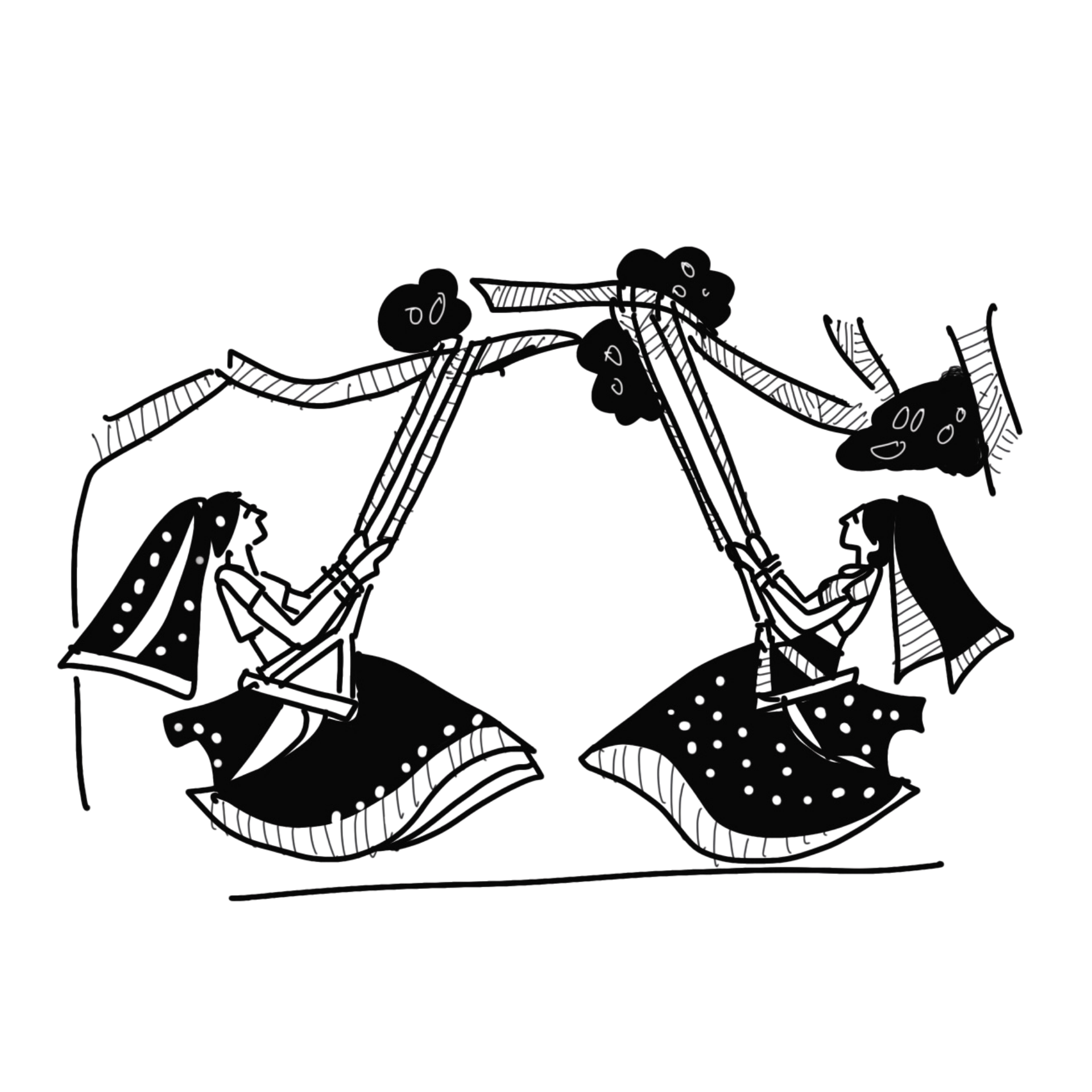
The fight response of Buddhism took the form of Tantra or Vajrayana Buddhism. It involved rituals, dances, music, chanting, fasting, masks, mandalas, invoking spirits, to get the desired result. The Tantric form of Buddhism is very much like Hindu rituals such as yagna and puja, where action is far more important than feelings and thoughts. This is the world of mantras, yantras, vigrahas and mandalas. It is the world of kriyas and astrology and geomancy, of occult beliefs in chakras and nadis, in the power of crystals and geometrical patterns and talismans. It is about channelling energies, restoring balance of forces. The right ritual helps you fight the world, get the success you desire. This is the most practical side of religion—the world of activity. Rituals of holy water to drive away evil spirits is the fight side of Christianity. In Islam, even though magic is considered haram, many people flock to holy men who offer amulets (tabiz) for protection from dangerous djinns.
Religions are thus primal responses of humans to the world. They have nothing to do with rationality. Yet, in the 20th century, many people sought to see religions through a rational framework. Buddhism, Hinduism, Christianity and Islam were seen as forces that could be used to bring about cultural change, social justice and even political revolution. Faith was reimagined to suit the modern framework of rationality. Historians saw religion as nothing more than an ideology to manipulate people for political and economic power. They denied the role of religion in giving the world meaning and life purpose.