Published 27th April, 2014, in the Mid-Day.
When the gods churned the ocean of milk, amongst the many treasures that emerged there was a lady called Varuni, daughter of the sea-god Varuna, who was the goddess of wine. Actually goddess of alcohol, but wine sounds so much better than alcohol. Basically the legal stuff that you run to the bar for at parties.
Varuni became the favourite of Indra, king of the devas, who took her to Swarga, his abode above the sky, to give him happiness as he watched the apsaras dance and the gandharvas sing. These details from the Puranas reveals to us what our ancestors saw as paradise.
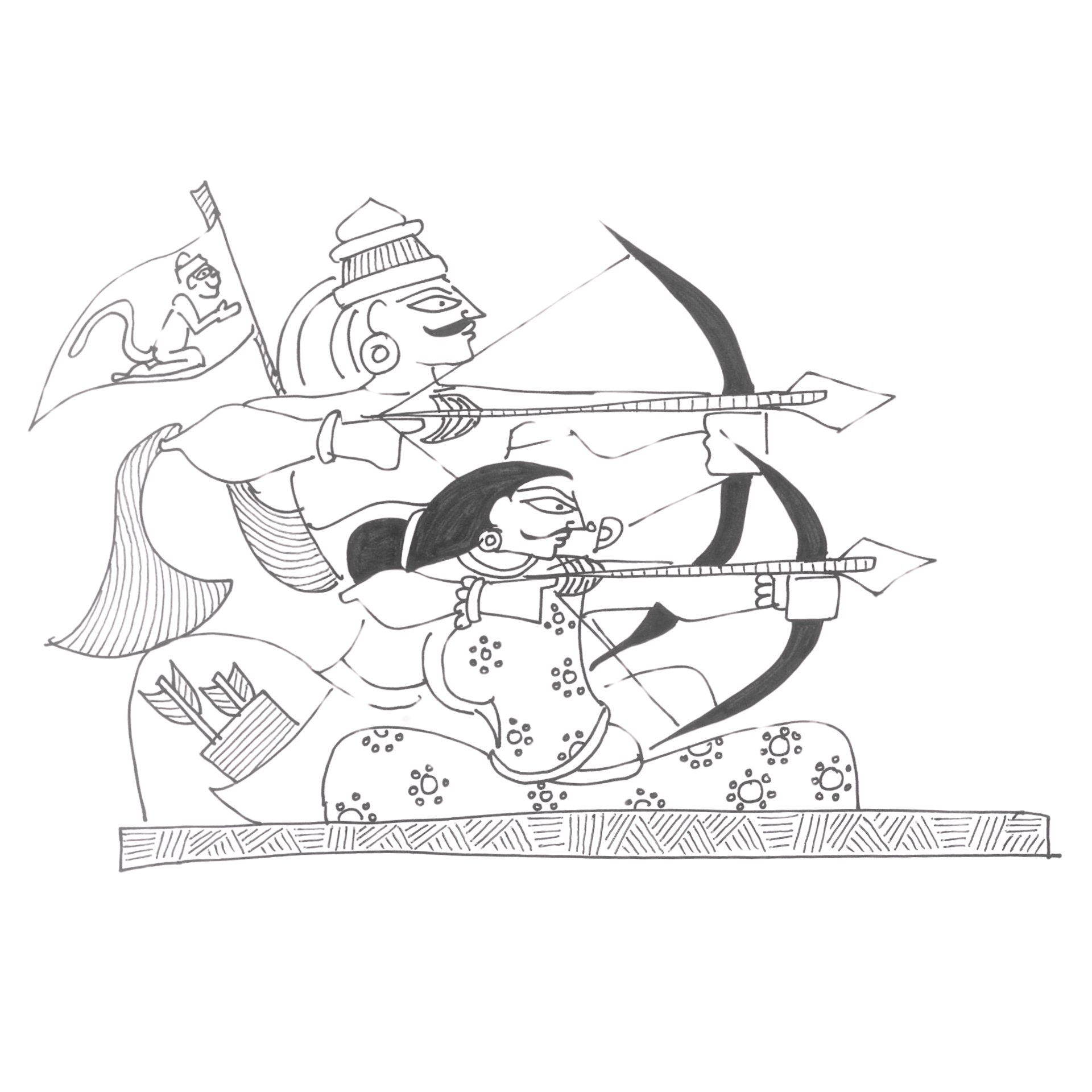
Varuni is also associated with Balaram, the brother of Krishna. She is sometimes identified as his wife. The symbol on Balaram’s flag is the toddy palm tree (tada-dhavja), that is often used to make wine in rural areas, endorsing his fondness for intoxicants. In art, the two are seen in a drunken state, she holding a pot and he a cup. In Krishna temples, Balaram is offered toddy and bhang. Uninterested in the complex politics of Krishna, he is a happy simple elder brother who gets angry quickly and is just as easily appeased. Just as Krishna is identified with Vishnu, Balaram is identified with Shiva, who is known for his fondness of narcotics.
Devotees differentiate the simple milk-loving form of Shiva with the alcohol-loving Bhairava who is often in the company of Bhairavi (Kali). The latter is part of folk traditions and associated with grama-devas, guardian gods and fertility goddesses of rural India. In Tamil Nadu, the fierce Muneeshwaran, a local form of Shiva according to some, is offered toddy and even ‘foreign’ liquor to get his blessings and favour. Offering of alcohol made using mahua flowers is common in tribal cultures. Alcohol is used by their shamans to go into states of alternate consciousness and communicate with gods and goddesses
A careful look at these mythologies of alcohol reveal how alcohol is associated either with vulgar excesses of the rich (Indra), with the ascetic outsider (Balarama/Shiva) or with deities of the ‘lower’ castes and tribals (Kali/Muneeshwaran). It did not allow for Sanskritisation (moving up the caste ladder in society). To move up in society, one had to be more like Brahmins. Besides giving up non-veg food, one also had to give up alcohol.
Today, an analysis of alcohol consumption as portrayed in Bollywood films indicates that to be ‘cool’ it is critical to consume alcohol. At one time, alcohol was the refuge of the heartbroken lover (Devdas), the heartbroken son (Shakti), the rapist-villain (Prem Rog) and of course, the vulgar idle rich (Saheb Biwi aur Gulaam). Today it is associated with family bonding (Vicky Donor) and women’s liberation (Queen). A rather prejudiced view will also show a shift from the Bengali school of filmmakers to the Delhi school of filmmakers.
It is terribly uncool today to frown upon alcohol consumption though. You become the party-pooper and prude. If you point to drunk drivers, to date rape, to domestic violence, you are booed. So I guess, you let the glamorization of alcohol continue and hope everyone drinks responsibly, staying miraculously mature even when drunk.