Published in Sunday Midday on June 19 2011.
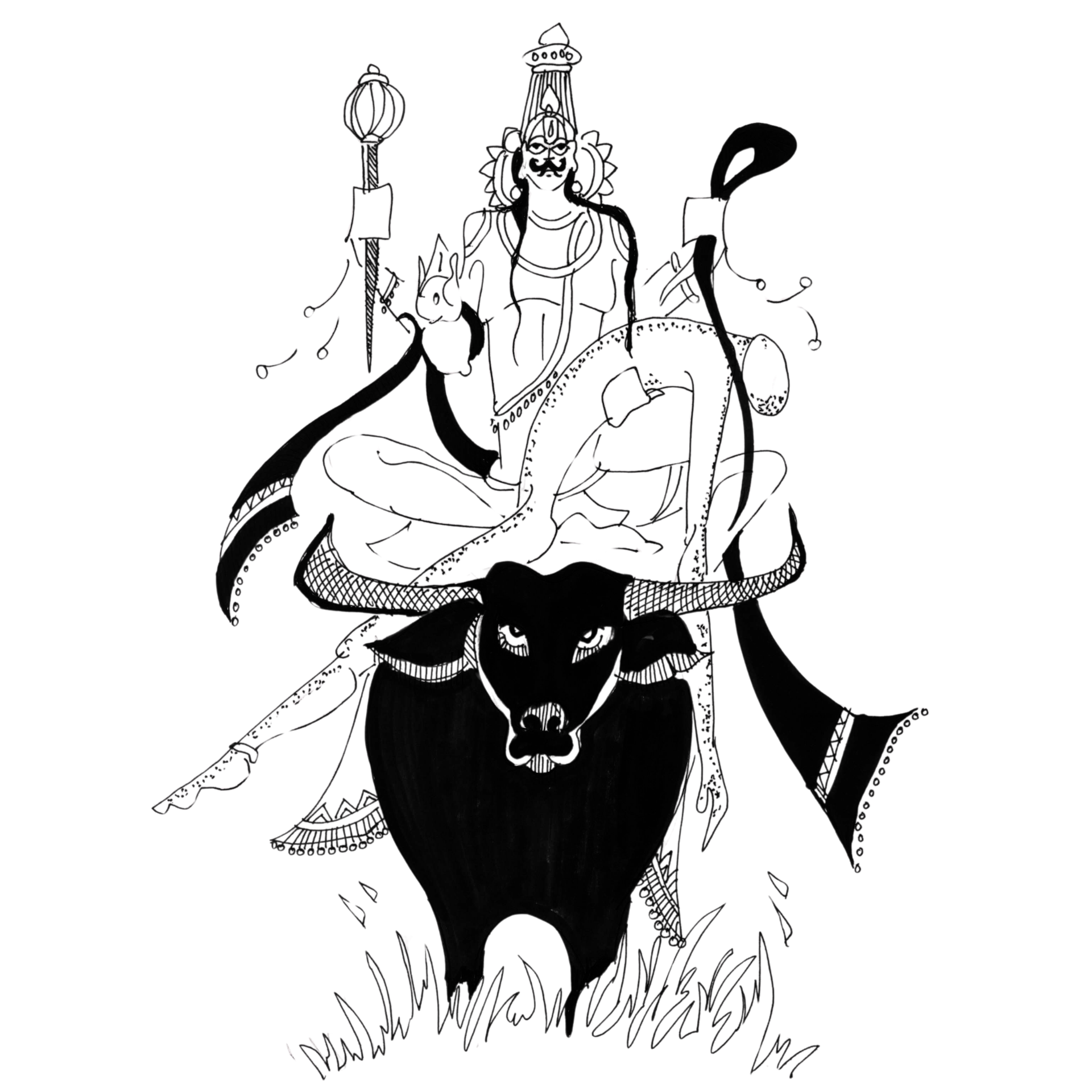
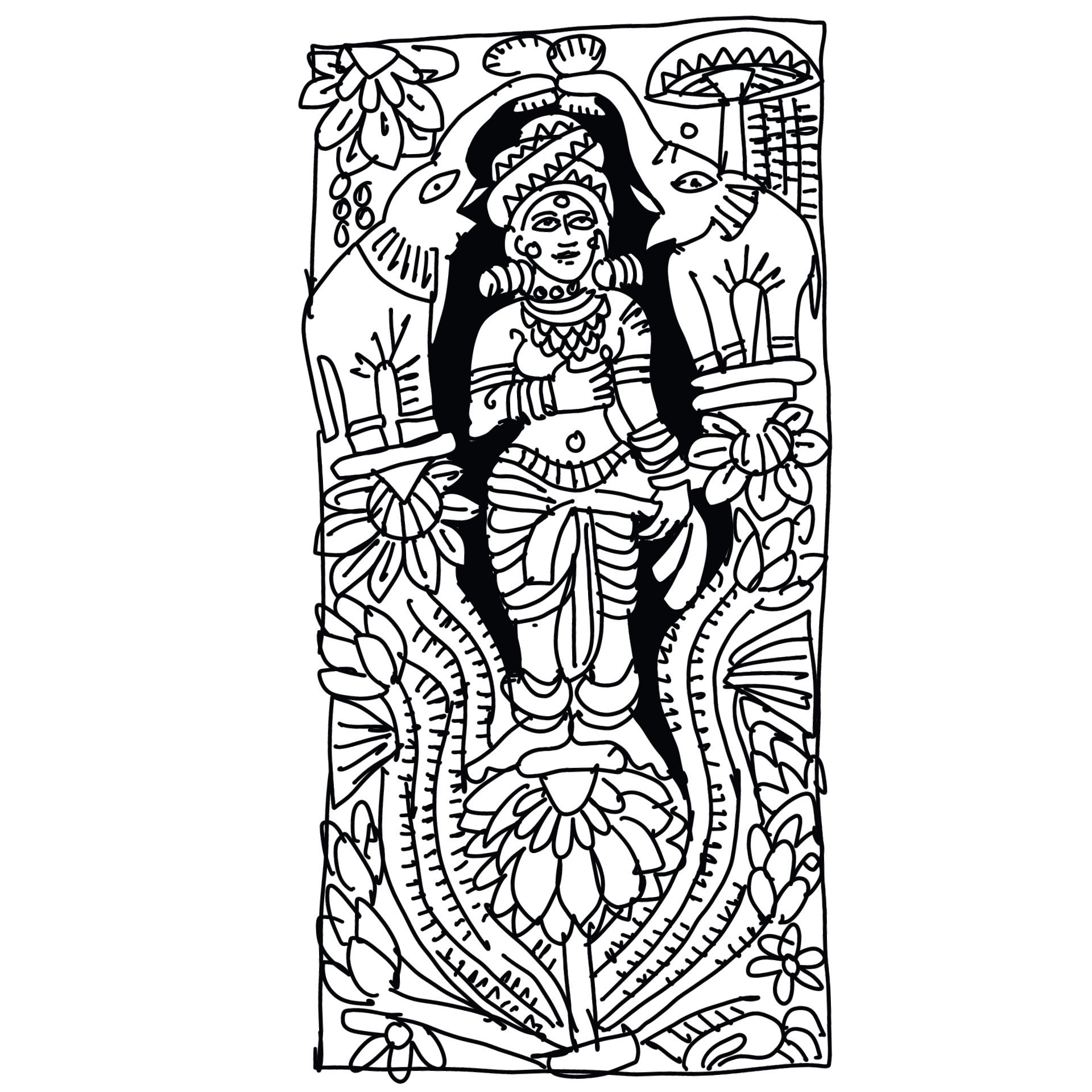
The most fundamental Hindu ritual is the ‘darshan’ — gazing upon the image of the deity. You look at the deity and in most temples, the deity, with large silver eyes, gazes back at you.
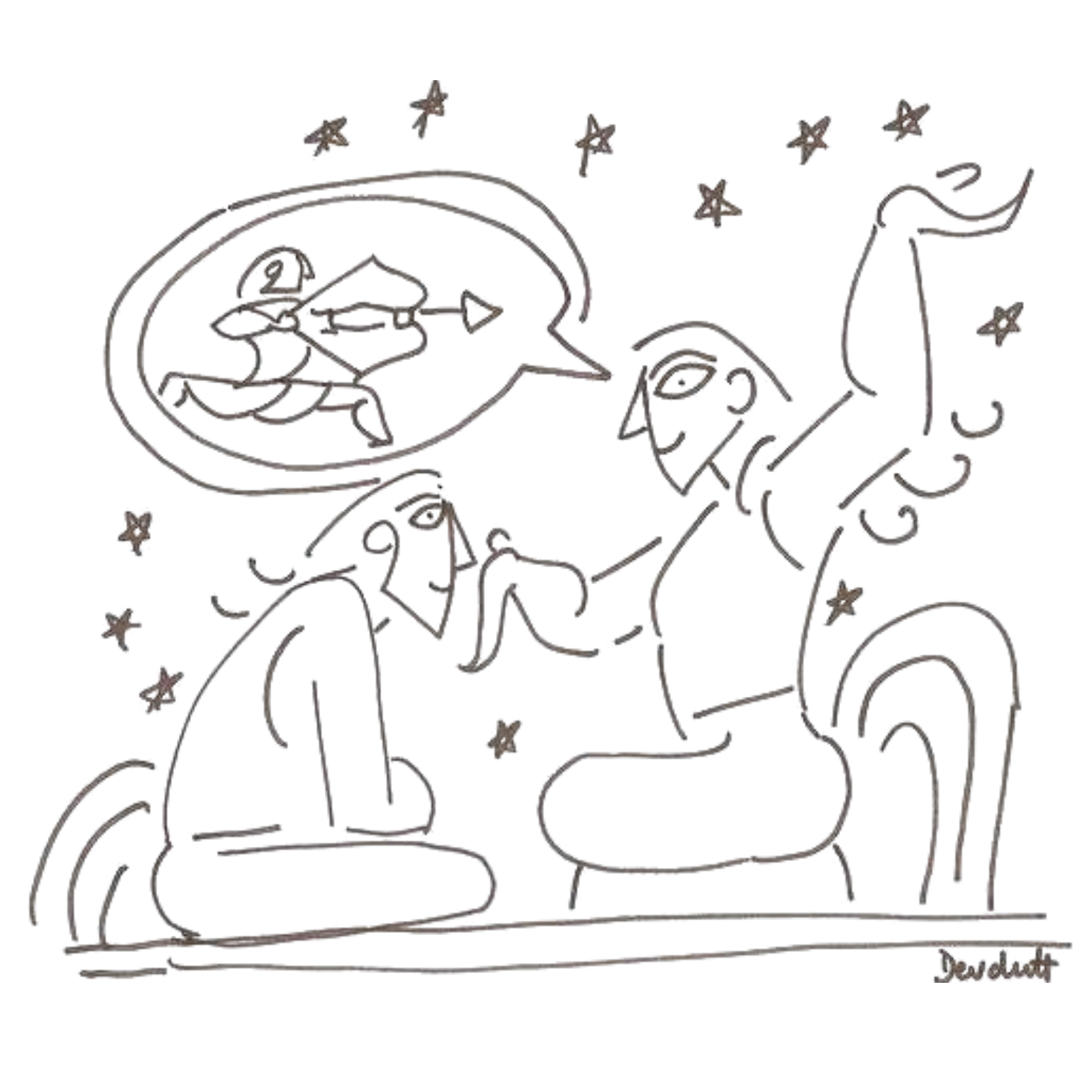
The Rishis were perhaps the first to do darshan, which is why they were called Rishis, the ones who gazed. Rishis are seers. What did they see? Like everyone they possessed drishti, the ability to see the visible and tangible, the saguna. But they also possessed divya-drishti, the ability to see the invisible and the intangible, the nirguna. They could see what no one else could see. They could join the dots, create patterns, observe rhythms and this led to insight, hearing the inner voice that makes no sound but still can be heard. This was shurti, hearing of the soundless speech. This was Veda, wisdom, later transmitted through mantras or hymns and yantras or symbols.
All of us do darshan. But we are limited by drishti. We do not develop divya-drishti. Our gaze is limited by our prejudice. The media’s gaze is influenced by the desire to be populist. The politician’s gaze is shaped by the desire for power and votes. Civil society’s gaze is limited by its assumption that wealth and power is obtained through exploitation. What we hear then is smriti, that which is remembered, that which is shaped by a reference point from our memory banks.
When we see a doctor who is skilled in his trade and cures many people, we assume he is ‘God’ — a wonderful caring human being. When we later discover that he is a womanizer, we are angry with him, not with our assumptions.
When we see a cricketer who is magnificent at his game, we assume he is a honest man with integrity and use him in public service announcements that condemn corruption. Then we discover how he uses his popularity and brand equity to get tax benefits and change the real estate rules to build his fancy apartment. We get disappointed with him, not with our imagination about him.
Most recently a popular yoga teacher was equated with a saint until he spoke of hurling stones against the establishment and displayed anything but mystical equanimity. Suddenly our impression of him has changed, and we do not like what we see. We do not question why we saw what we saw.
Impressions are based on the visible. But beyond the visible is the invisible. When the invisible becomes visible, we are often shocked. We are shocked because we assume what we see is infinite, when in fact the visible is always finite. When we meet an individual we have access only to that which is saguna about him or her. We judge people based on the saguna — what we see and what they show. We do not factor in the nirguna – what we don’t see and what they don’t show. Even today we have in our minds ‘good’ people and ‘bad’ people. Judgements based on the saguna; are these judgements true? Are we setting ourselves up for future disappointments? This over reliance on saguna is why our darshan does not reveal the Veda to us. We hear the prejudiced voice of smriti not the insightful voice of shruti.