Published in Devlok, Sunday Midday on July 08, 2012.
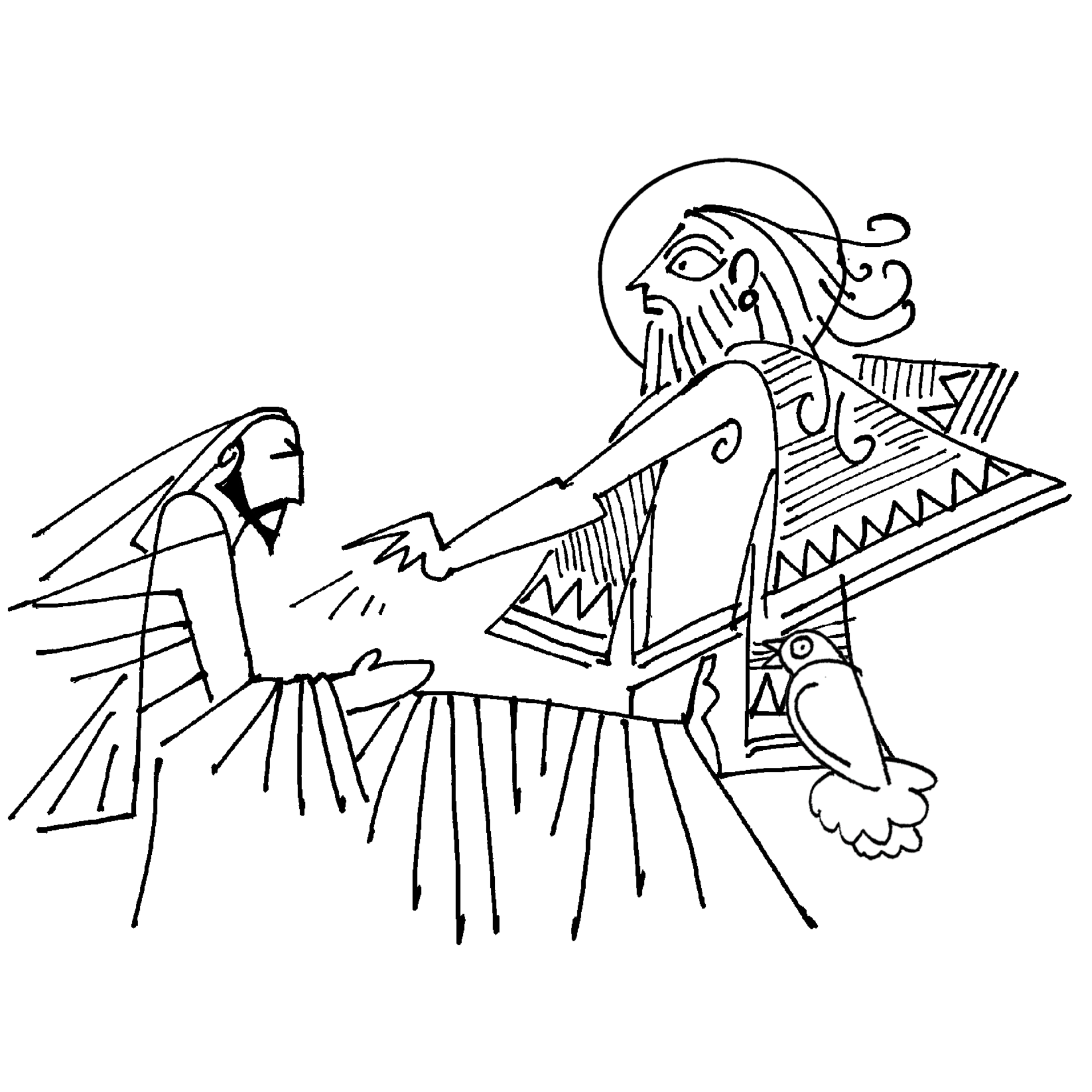
One day Parvati got bored and begged Shiva to entertain her. So he told her a story, the world’s first story. This story was told in a secret cave somewhere in the middle of the Himalayas. The plot would have been lost in the snow but for a tiny bird that survived in that cold desolate landscape. This bird shared the story with a fish. The fish shared it with a Gandharva who shared it with the Yaksha. Much may have been lost in translation for, by the time the story reached humanity, it was not one but hundreds of stories with myriad plots and characters, with amazing twists and turns. It was called the Brhadkatha, or the vast story. Later it was called the Katha-sarit-sagar, the ocean of stories. There were stories within stories, like whirpools of thought, sucking everyone in and then spitting them out.
Imagine life without stories. We would have no hero or villain, no comedy or tragedy, no adventure, no heaven or hell, perhaps not even God. Stories are such an integral part of our lives that we forget how critical it is to defining our humanity.
Animals do not tell stories. They do not have the wherewithal one needs to tell a story. They do not have the neo-frontal cortex, the most recently developed part of the brain, located just behind our forehead that allows us to imagine. From imagination come stories.
Animals do not need stories. When hungry, they eat. When thirsty, they drink. Having eaten and drank, they rest or play. But not humans. We want to know why we are hungry and why we are thirsty. It bothers us. We seek explanations. We need a story for that. And there are many stories.
Someone said that hunger and thirst were God’s punishment because humans did not listen to him. God? Who is that? What is that? Was it an idea that came from stories? Or did stories articulate this idea for us? We can argue endlessly. We can even ask if heroes exist in the world before stories, or did the idea of a hero come to us from stories?
Of course, science came along and rejected everything that stories told us. Today scientists tell us there is no God. And historians will tell you that notions of heroes and villains are not true either. There is no objective criteria, no checklist, for defining a hero. What is hero for one, is villain for another. It all comes from our imagination. We just have to switch on the television and pick up a newspaper to realize this. They reveal how storytellers construct the world for us, twist and turn events to make the same thing look comic and tragic. And we wonder what truth is. Is there a truth out there?
Perhaps , it is to provoke this question that Shiva told Parvati the first story.