Published on 8th June, 2019, in Mid-day.
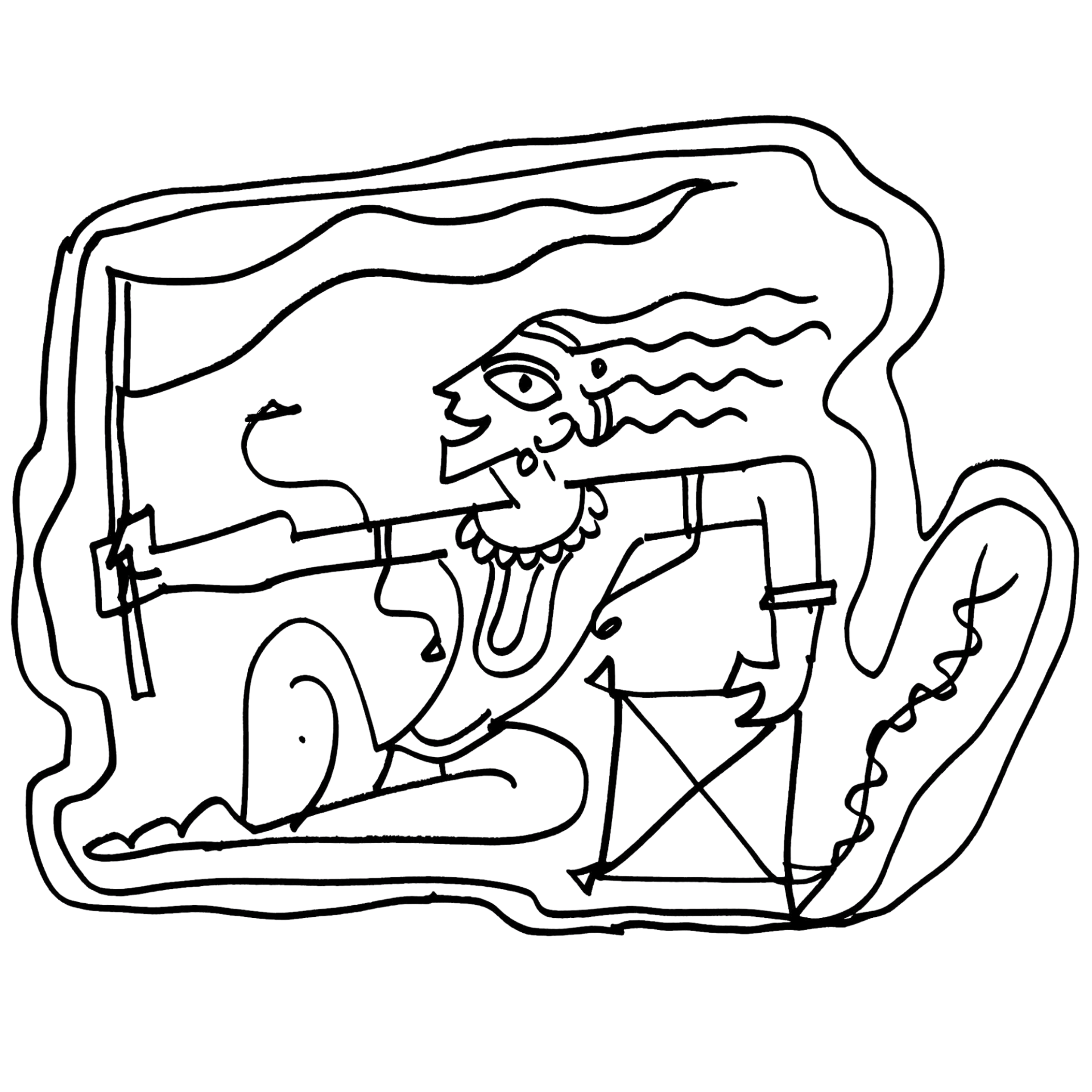
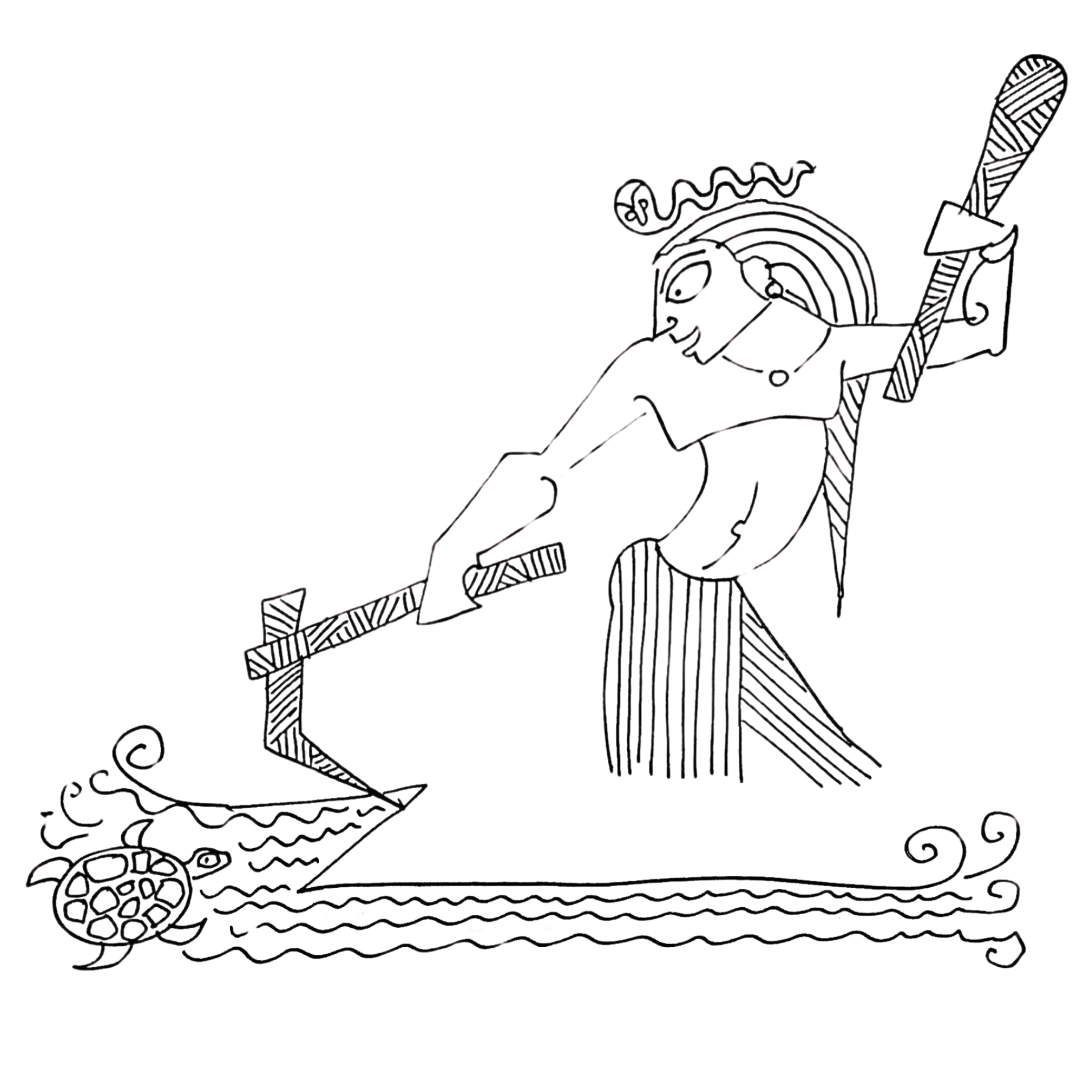
If you travel to Cambodia, you will come across a folklore that a sage from India known as Kaundinya travelled across the sea to what is now called Cambodia, where he encountered a Naga princess, who fell in love with him. She happened to be the ruler of the local people and married Kaundinya. From them descend the kings of the Kingdom of Kamboja, which later came to be known as Cambodia. Was this Kaundinya Hindu or Buddhist? We really don’t know. In fact, in ancient times, in faraway lands, few differentiated between the two.
In Hindu mythology, Kaundinya does not play an important role, although he is recognised as one of the sages who travelled from the northern part of India to the southern part of India and over the sea to Southeast Asia. So, he is linked with the transmission of Vedic beliefs and practices, across the subcontinent and beyond.
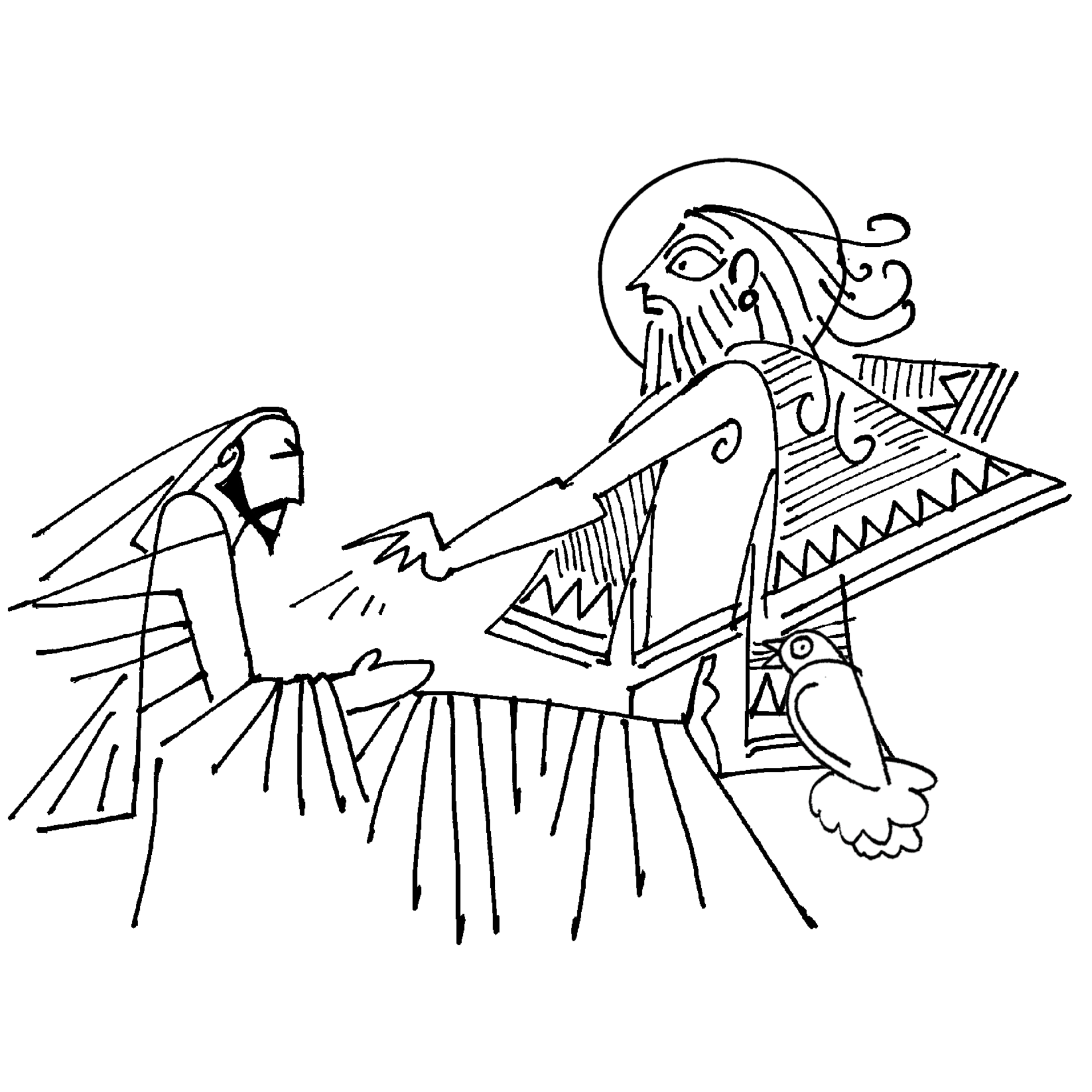
Kaundinya plays a much bigger role in Buddhist mythology. When Siddhartha Gautama is born in the Sakya clan, many sages predicted that he may either be a sage who gives up the world and discovers wisdom, or he will become a great king who will conquer the world. Kaundinya is the only sage to insist he will never be a king but a hermit and he vows that he will be a follower of the hermit. Years later, when Siddhartha gives up his kingdom and goes to the forest and lives the hermit’s life, Kaundinya and his student follow him, but only until the day Siddhartha refuses to practise self-mortification. When Siddhartha returns as the awakened one or the Buddha, Kaundinya follows him once again and plays an important role in the establishment and spreading of the Buddhist thought across the world.
In Buddhist literature, we often hear that just as Buddha had previous lives, so did Kaundinya and they did engage with each other. In one story, we are told that the Buddha-to-be was a tiger and Kaundinya was a tigress and Buddha-to-be offered his own life so that the hungry tigress would not eat her own cubs. In another story, Kaundinya was shipwrecked. Desperately, he looks to the generous king of Kosala, only to discover that he has abandoned the kingdom and given the kingdom to the king of Kashi to avert war. When Kaundinya meets the king of Kosala in the forest, the king of Kosala says if you give me to the king of Kashi, he will give you a reward, which you can use to restore your business. And so, Kaundinya takes the Buddha-to-be, i.e., the king of Kosala to Kashi, and seeks the reward. The king of Kashi is impressed by the generosity and compassion of the king of Kosala and restores him to the throne. With his kingdom restored, the king of Kosala gives the merchant all the wealth he needs to restart the business. Thus, Kaundinya is associated with seafaring merchants in Jataka itself.