Published on 16th September, 2018, in The Indian Express.
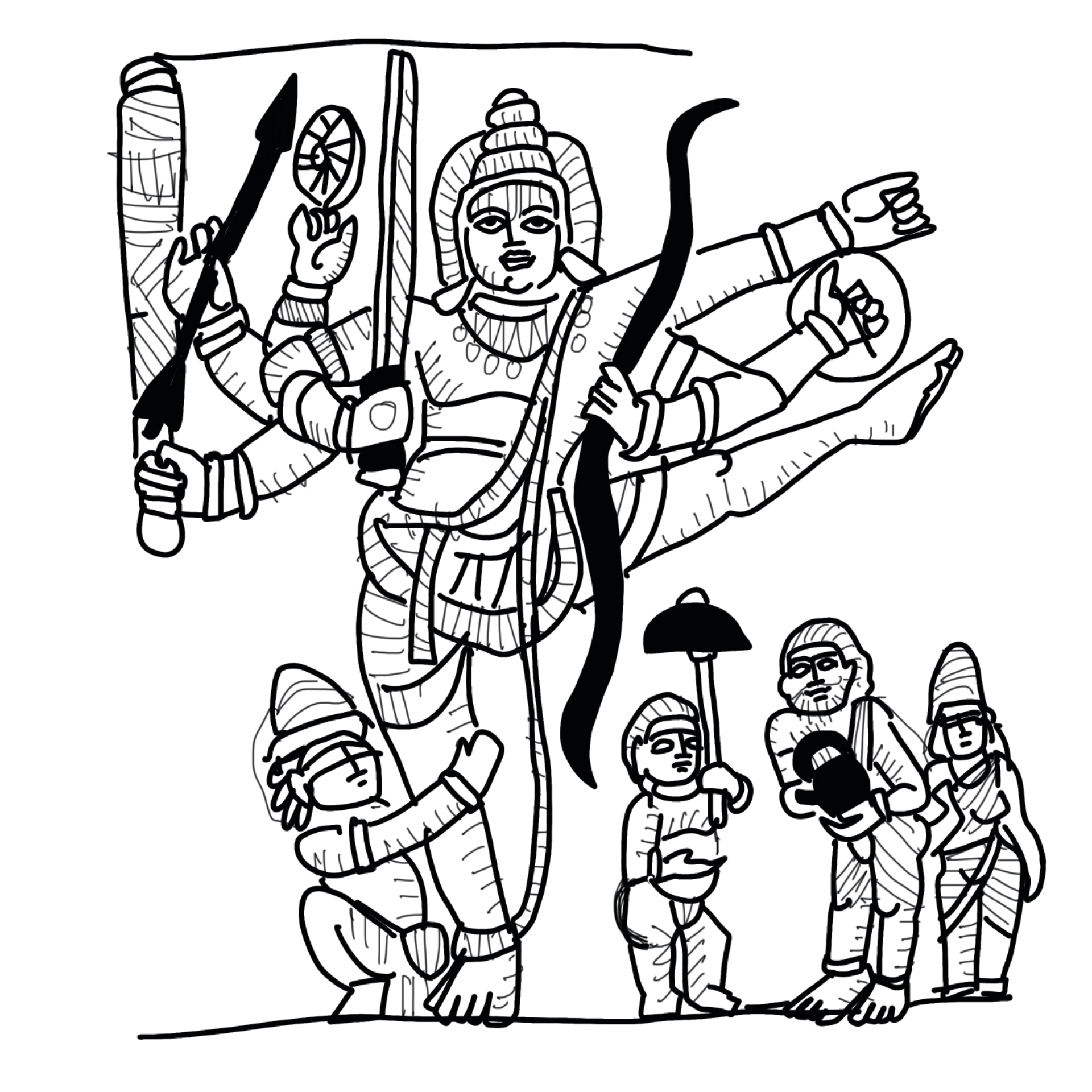
First, they said it was unnatural. Then zoologists revealed that same-sex intercourse is seen in over 500 species of animals. Then they said it was against culture. Then sociologists, anthropologists and literature students revealed over 50 words in Sanskrit, Prakrit and Tamil that referred to non-heteronormative genders and sexualities used in Hindu, Buddhist and Jain literature. They pointed to temple art and rituals that used queer metaphors to explain metaphysical ideas. In Goswami Tulsidas’s Ramcharitmanas, composed 500 years ago in Awadhi, they found couplets spoken where Ram tells Kakabhusandi, “Nar, napunsak, nari, va jiva, chara-char koi; sarva bhav bhaj kapat taji, mohe param priya soi.” (7.87ka) “Men, queers, women, even plants and animals, all living creatures who abandon malice and approach me with affection are dear to me.”
With nature and culture comfortable with same-sex love, with the Indian psychiatry associations clarifying that homosexuality is not a disease or disorder, the Supreme Court had to reinforce constitutional morality over popular morality, decriminalise homosexual acts and grant LGBTQ community equal rights, something that was long overdue.
So what next?
Hopefully, parents will not force their gay and lesbian children into loveless marriages with heterosexual partners that destroy not one but several lives, of the spouse as well as the children born. In China, the term “homo wife” has become popular for women who discover their husbands prefer men romantically and sexually. And then there are “homo husbands” who do not understand why their wives hate being intimate with them.
Hopefully, gurus who tend to privilege celibacy will not use their “mystical” knowledge to position heterosexuality over homosexuality and tell their followers that love, inclusion, accommodation and acceptance of difference is true spirituality, not control and domination.
Hopefully, hotels and restaurants will realise the economic potential of serving the party needs of young gays and lesbians. That will create more safe spaces where boys and girls can date without fear, and, hopefully, find lovers and life partners.
Hopefully, corporates will expand their diversity policy to include sexuality so that gays and lesbians do not have to hide the truth for fear of being kicked out of the job. People have a clever way of confusing professional lives with personal lives and creating glass ceilings of prejudice in the corporate world. We don’t mind admiring “openly gay CEO” Tim Cook of Apple, but we will resist hiring him despite his obvious merit.
Hopefully, old age homes will be created by shrewd entrepreneurs where gays and lesbians who have lived single lives can find loving refuge in the twilight years of their lives. Many parents fear their children will be lonely if they live homosexual lifestyles. They forget that heterosexual widows and widowers also face similar loneliness. We can no longer rely on children to take care of parents. The problems of old age for the heterosexual is no different from that of the homosexual.
Hopefully, families will realise the value of having a gay uncle and a lesbian aunt around them who do not fit the norm of what it means to be a man or a woman. They will create diversity in the family ecosystem, provide an alternate way of looking at life and love. And this will enrich the next generation.
Hopefully, schools will teach children that it is okay to be different and how to deal with friends who are different. Teachers will be sensitive, too, and supportive of, the effeminate boy or the masculine girl in class, who may or may not be homosexual, but are often teased by others.
Hopefully, gay sportspersons, Bollywood stars and politicians will have the courage to step out of the closet and their sexuality will not adversely affect their performance, success and fame.
Hopefully, we will have the maturity to not be incensed by the RSS and All India Muslim Personal Law Board’s petulant desire to “control family values”. Not everyone can handle love.