Published on 16th October, 2022, in The Hindu.
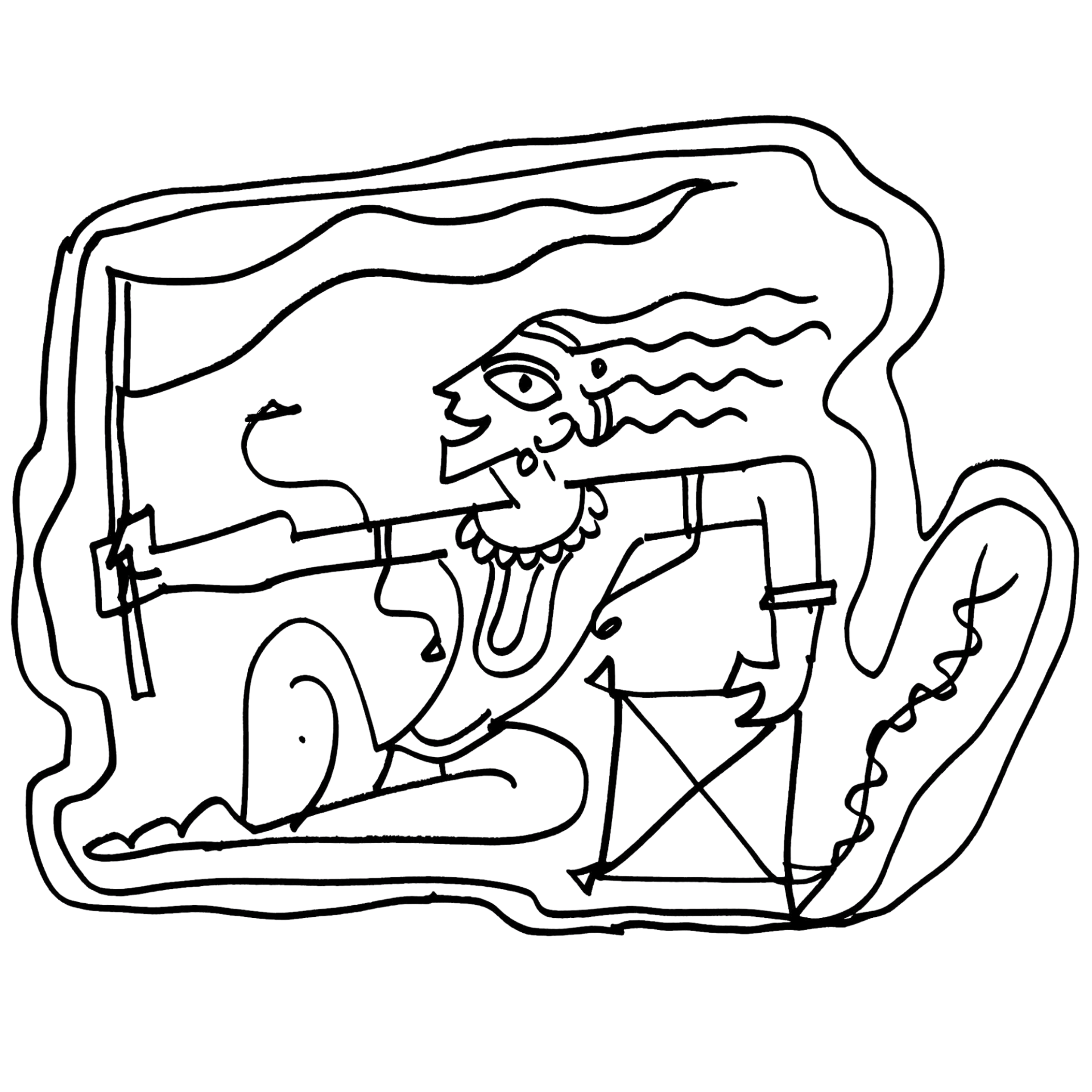
Cholas in focus: 12th century war poem ‘Kalingathu Parani’ celebrates the dynasty’s exploits against the Kalinga kingdom. The poem is narrated by ghosts who are companions of a fearsome goddess called Anangu.
When the Delhi Sultanate was being established in the north of India some 800 years ago, down south, a Pallava general was leading a Chola king’s army along the eastern coast.
He crossed the deltas of Krishna and Godavari, slaughtered hundreds of war elephants sent to block his progress, and finally overpowered the king of Kalinga, who had not paid his tribute for two years, and also happened to be the son of a Chola princess. So great was this victory that it inspired a parani — a war poem for when a thousand elephants are slaughtered — known as Kalingathu Parani.
The Kalinga king was a Chodaganga, i.e., Chola-Ganga: Chola from his mother’s side and Ganga from his father’s side. He controlled the Mahanadi delta in the east, the Cholas controlled the Kaveri delta in the south, and the Gangas controlled the Krishna-Godavari delta in between. This is why the eastern coast was known to sailors as the Chola-mandala (Coromandel). The kings were at loggerheads, each trying to make the other a tributary.
Scaling new heights
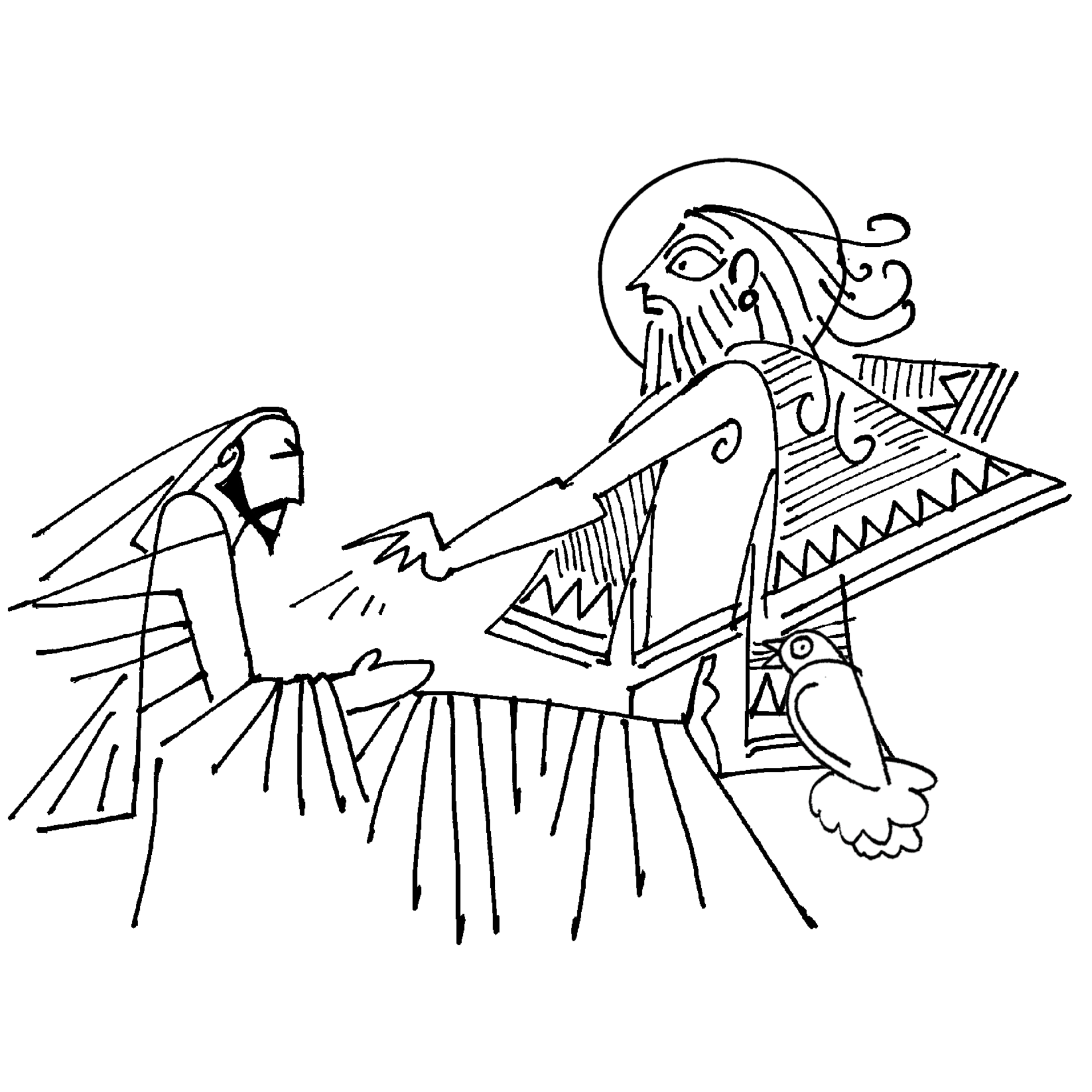
In the spirit of competition, the Chodaganga built the current structure of Puri’s Jagannath Temple in the 12th century, to rival the height of the Brihadeeswara Temple in Thanjavur built by Rajaraja Chola in the 11th century. When it was discovered that the masonry was a few feet short, the king ordered a long iron flag pole shaped like a discus to be placed on top, so that Jagannath’s flag would flutter higher.
Like the Tamil people, the people of Kalinga were fiercely independent, and declared their autonomy through their deity, Jagannath, who was an amalgam of Shaiva, Vaishnava, Sakta and tribal practices. Later, the Chodagangas would insist they were mere viceroys of Jagannath, distancing themselves from the practice started by some Chola kings who identified themselves with Shiva.
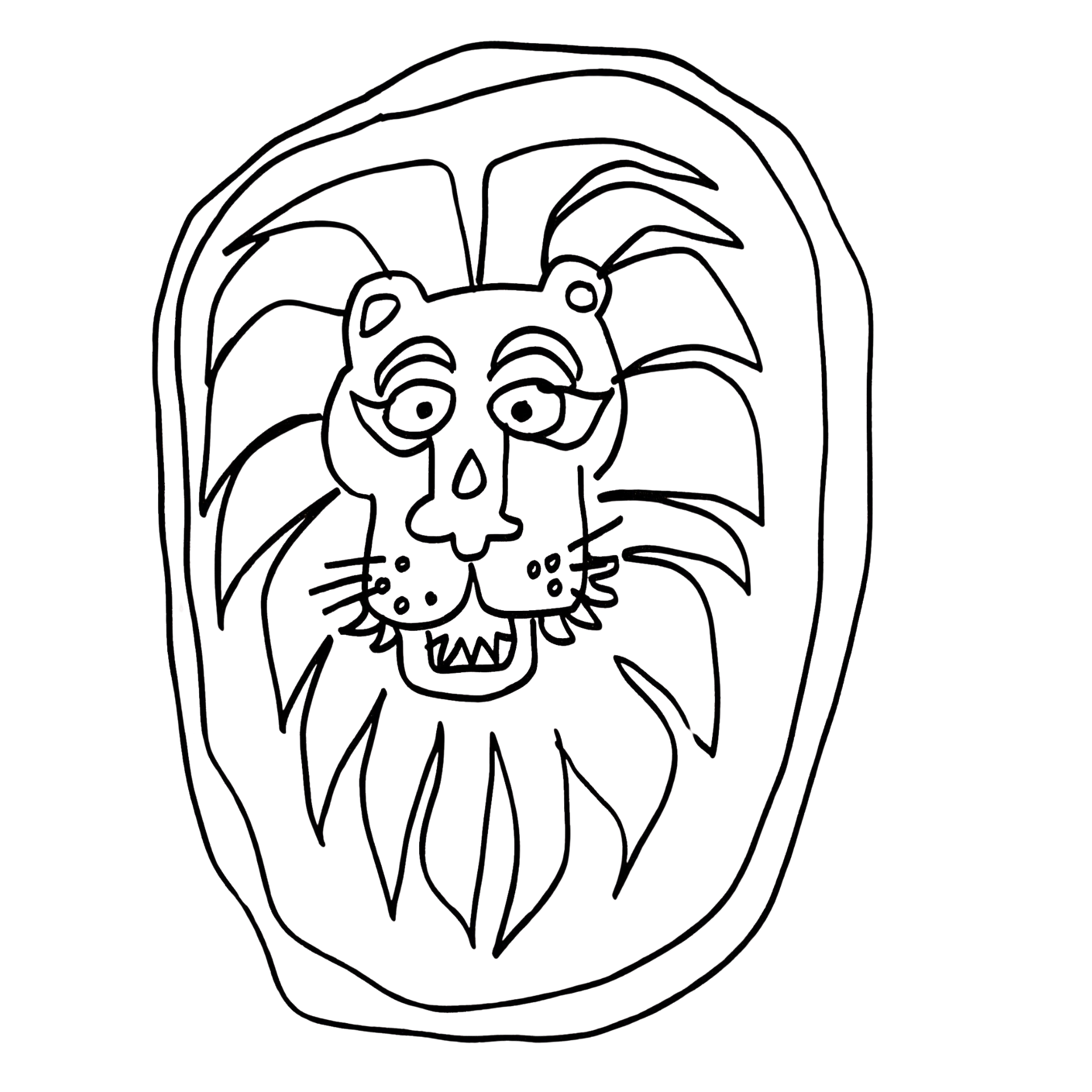
Kalinga kings were known as Gajapati, as they were masters of elephants. Hundreds of elephants would be used to clear the path of the Kalinga army, and block the progress of enemy soldiers. To outmanoeuvre such a moving wall of pachyderms was no mean feat. Hence, it deserved a parani.
What is interesting about Kalingathu Parani, translated to English by Kausalya Hart, made accessible by Project Madurai, is that the narration is by ghosts. These ghosts are companions of a fearsome goddess, Anangu. She seems similar to the goddess known in Shakta literature as Chamunda, and is traceable to the Vedic goddess Niritti and the Tamil goddess, Kottravai. She is linked to dry, hot, barren landscapes and to battlefields wet with blood.
In art, this goddess is shown holding weapons in her hand, surrounded by ghosts, seated on rotting corpses, entertained by carrion crows and wild dogs. The battleground is her sacred space, where she receives blood offered by men aspiring to be heroes.
The poem begins with prayers to many Puranic and Tantrik deities as well as to the Vedas. There is hope that the tiger banner of the Cholas will flutter over other royal banners displaying the boar, the plough, the deer, the lion, the fish and the bow, and inscriptions of Chola conquests carved on Himalayan slopes.
Then come passages describing the yearning and erotic longing of the beautiful wives of warriors — a foreshadowing of the misery of war widows. Then comes description of the goddess, Anangu, her forest, her ghosts, and the temple they built to her with the skull of fallen kings, and bones of animals killed in battle. The goddess, a beloved of Shiva, wears elephant hide, with girdles made of its intestines. Her hand is red with the blood of warriors felled by valiant kings in her honour.
Dark humour
Her ghosts are hungry and emaciated, and yearn for human flesh and blood. Their stomachs are like pots, their eyes like caves, their limbs like unburned wood. A ghost who had run away to the Himalayas returns south and speaks of the Kalinga battle that is under way.
Blood, blood, everywhere there was the blood of the Kalinga warriors. Let us go, let us go to the battlefield there. Your empty stomachs will be full. Your thin bodies will become fat.
The ghosts cheer and proceed to the battlefield. They learn how the Kalinga soldiers who survived saved themselves by pretending to be Brahmins (they used bowstrings as sacred thread), or Buddhists (they soaked their clothes orange by washing it in blood), or Jains (discarding their clothes, tearing out their hair). In the climax, we hear how the ghosts prepare and eat the porridge of flesh and fat and pulverised teeth in pots made from the wide legs of elephants, under canopies made of elephant skin, dripping with blood. All ghosts are fed — even the Brahmin ghosts, the Buddhist ghosts and the Jain ghosts. A rather bizarre way to show a plural generous society.
In the centuries that followed, songs such as these were gradually overshadowed by songs of devotion to Krishna. Unlike earlier Alvar and Nayanar poetry, later bhakti works were stripped of eroticism and violence. Their Tantric nature waned. The flesh became invisible. Greater attention was given to emotions. Indian royalty was sanitised as violence was outsourced to the beef-eating invaders. But the hungry ghosts of Kalingathu Parani remind us of a different India, where blood and gore nourished ambitious kings, where heroes massacred elephant armies, made garlands of human heads for goddesses, and enabled her ghosts to relish a porridge made of flesh and fat.