
Mythologist | Author | Speaker | Illustrator

-
Articles
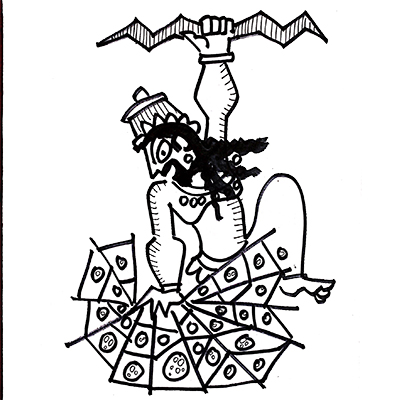
Breaking Out Of the Indra-Jaal
Published on 17th October, 2020, in Economic Times. The concept of Indra’s net, or Indrajaal, comes to us from the Atharva Veda. It speaks of Indra capturing his enemies with a net, pinning them to the ground, and smiting them victoriously. Seen metaphorically, Indra-jaal is the web of delusions (maya) that establishes the world. This…
-
Articles
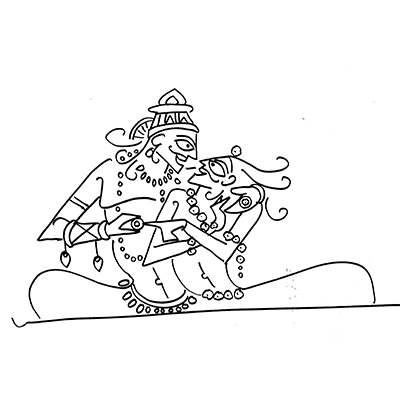
Can Gay Marriage Be Part of Hindu Culture?
Published on 27th September, 2020, in Mumbai Mirror. Hindu culture forbids divorce. Yet Hindu personal laws permit divorce. Hindu culture allows gods, and men, to have many wives. Yet Hindu personal laws forbid polygamy. Does it mean Hindu personal laws are opposing Hindu culture? Or, does it mean they are being true dharmashastras, updating responsible…
-
Articles

Did Karuppu Swami Live 12,000 Years Ago?
Published on 27th September, 2020, in Mid-day. So, the government has appointed a committee to delve into the “true” history of India, starting from 12,000 years ago, since the Ice Age, which Hindutva historians assume is the “pralaya” of the Puranas. The committee has only “upper” caste men. No one from below the Vindhyas, no…
-
Articles
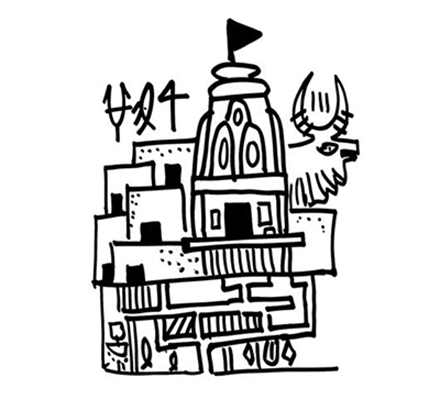
Dark secrets of the sewers of Harappa
Who is a Hindu? Dark secrets of the sewers of Harappa. Published on 13th September, 2020, in Mumbai Mirror. Indians have an uncomfortable relationship with the sanitary system. We have permitted and even justified manual scavenging. A place where the latrine is not connected to the drainage system and so humans have to come into…
-
Articles

What They Don’t Tell You About Advaita
Who is a Hindu? What they don’t tell you about Advaita Published on 30th August, 2020, in Mumbai Mirror. Advaita Vedanta is the de facto philosophy followed by Hindutva. The reason for this is not spiritual. It is political. Advaita Vedanta says the whole world is a manifestation of the one and only God (brahman)…
-
Articles
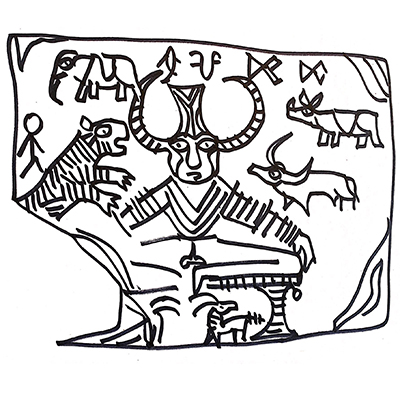
Was Harappa a Jain Civilisation?
Published on 30th August, 2020, in Mid-day. The Harappan civilisation thrived in the Indus Valley 4,500 years ago, roughly around the time the pyramids were being built in Egypt. It is famous for its grid-like cities. Here, we find a seal of a man sitting in a yogic position, surrounded by wild animals. People have…
-
Articles

Sarna, the Harappan Tree Goddess
Published on 16th August, 2020, in Mid-day. One of the things in the about-4,000-year-old Harappan seals is the value placed on trees. There is the peepal tree and the babool (acacia) tree that have been identified. The peepal tree is identified by its characteristic wide tapering leaves. The babool tree is identified by its peculiar…
-
Articles

Was Ram Born In Ayodhya?
Published on 6th August, 2020, in Mumbai Mirror. Devdutt Pattanaik, the author of The Book of Ram, answers some commonly asked questions. ♦ Was Ram actually born in Ayodhya? Hindus believe he was, just as Muslims believe Mecca is where Adam and Eve (Hawa) met after they were cast out of Eden, and Christians believe…
-
Articles

The Missing Horse Of Baghpat
WHO IS A HINDU? – The Missing Horse Of Baghpat. Published on 19th July, 2020, in Mumbai Mirror. Ram rides out of Ayodhya on a horse-driven chariot. Krishna rides out of Vrindavana and into Kurukshetra in a horse-driven chariot. As per astronomical information, found in Ramayana and Mahabharata, traditionalists believe that Ramayana occurred 7,000 years…
-
Articles

An Unsuitable God
Published on 21st June, 2020, in Mid-day. In Vedic mythology we hear how the Ashwin Kumars were unsuitable gods, not allowed to partake the Soma offering. To get the offering, they approached Dadichi, who said that if he chanted the verses, then his head would split into a thousand pieces. So, the Ashwins replaced Dadichi’s…
-
Articles

Gods Who Remove Suffering
WHO IS A HINDU? Gods who remove suffering Published on 21st June, 2020, in Mumbai Mirror. Once upon a time, Vishnu came looking for his wife, Lakshmi, who left their house after a fight. During his search, he took residence in a termite hill under a tamarind tree. A cowherd came and gave him milk…
-
Articles

How ‘Breaking India’ Started
WHO IS A HINDU? How ‘breaking India’ started. Published on 7th June, 2020, in Mumbai Mirror. At the heart of Hindutva is the idea that Hinduism is under threat from external and internal forces and they must be countered at any cost. The proponents of Hindutva are wary of Muslims and Christians and Dalits, but…
-
Articles

When Shiva Used His Trident
Published on 7th June, 2020, in Mid-day. Some of the oldest and most spectacular images of Shiva are found in Elephanta and Ellora, cave temples built by Chalukyas and Rashtrakutas roughly 1,500 years ago, when a new form of Hinduism, based on Puranas and Hindu trinity began overshadowing the old Vedic and Buddhist ways. Amongst…
-
Articles
View: Seva For People, Or For Afterlife?
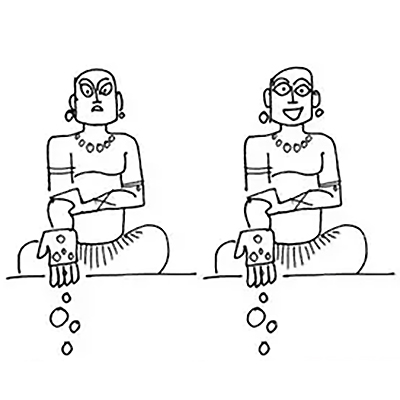
Published on 30th May, 2020, in the Economic Times. The idea of religious institutions doing ‘seva’ and serving the people is an old one. The idea of social work, as we know it today, emerged with the Christian Church and the concept of tithe. Priests would pass around fishnets to those congregated at the church,…
-
Articles
Did the Harappan know to write?
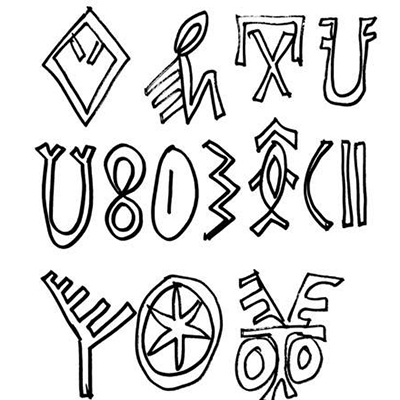
Published on 24th May, 2020, in Mid-day. Writing in India emerges only in the Mauryan period, 2,300 years ago. It is in the Ashokan edicts that we find the Brahmi script. Vedic hymns and Buddha’s lectures, before that, were orally transmitted. The Harappan civilisation, 4,000 years ago, with its sophisticated brick cities and sewage system,…
-
Articles

The myth of giving
Published on 10th May, 2020, in Mumbai Mirror Once upon a time, there was an asura called Bali, also known as Mahabali, who conquered the three worlds, and was famous for his generosity. Nobody remembered Indra, king of the celestial regions, who had been driven out of his kingdom by Bali. So, Indra begged Vishnu…