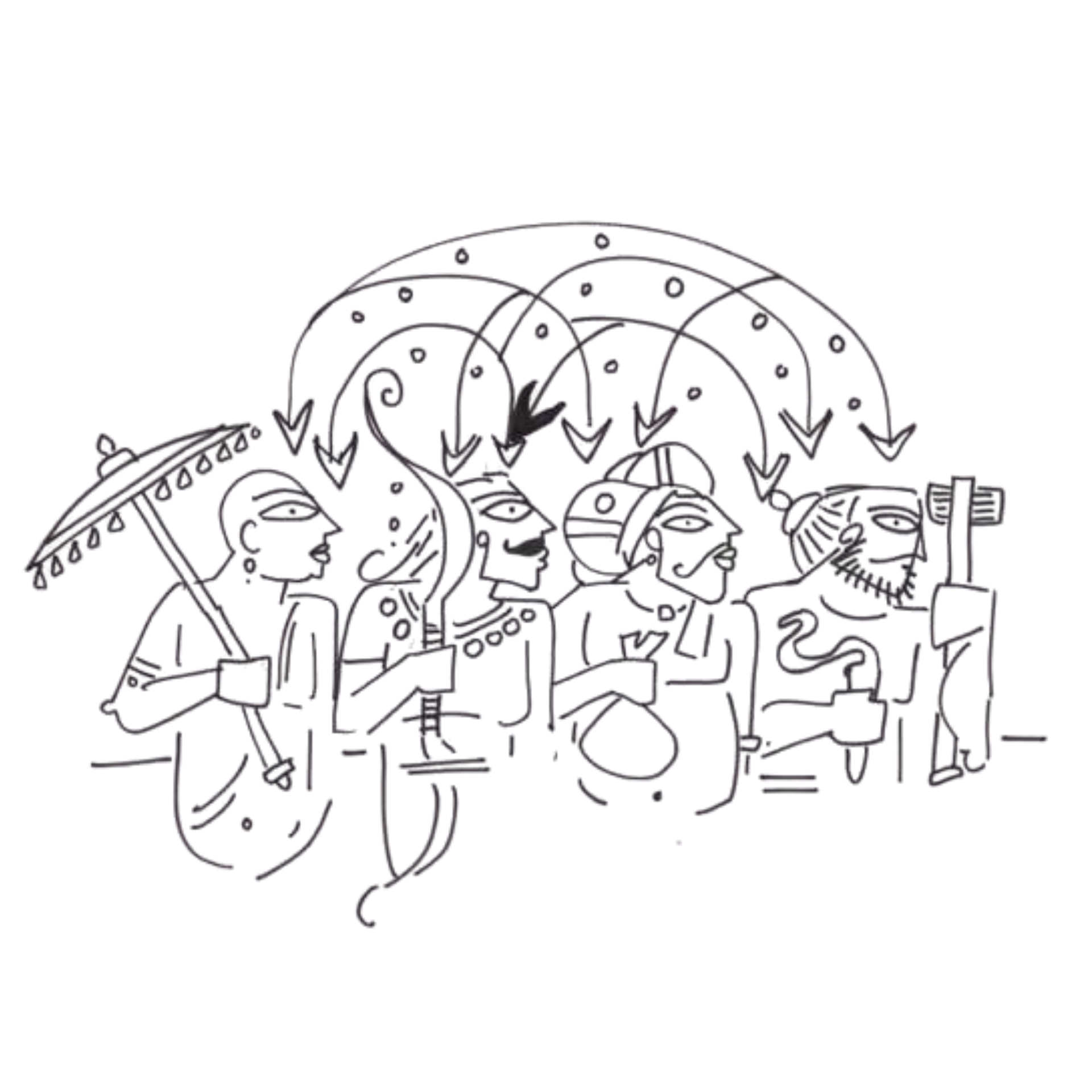
Published on 8th March, 2015, in Mid-Day.
Why do we expect a convicted rapist to take responsibility for his crime, and feel remorse? We establish this expectation in our mind. When he fails to behave as we wish him to, we feel disappointed, angry and helpless. It reveals our poor understanding of human nature, which shapes many of our decisions, and the unending cycle of disappointments.
We want humans to behave in a particular way. We want them to be kind, generous and caring, subscribe to our notions of nobility and humanity. We forget we evolved from animals, where domination is the name of the game. We create a system of rules and rewards to ensure they behave as we want them to. We create a judicial system to enforce these rules. When the rules and system fail, we get upset. We hope enforcement of civilised rules on violators will deter others to be like them, but it does not. If anything, it inspires many who see this as a chance to gain attention. The world seems to give it only when you do something really bad.
Many rule-breakers feel society does not care about their desires and feelings. Society only cares for the rules. And what the rules protect: like women, like children, like gays, like the rich white and upper caste folk. Why should they, the dispossessed, the ignored, the forgotten, respect other people’s rights? So they violate. It makes them feel validated and alive, like children who enjoy torturing animals, plucking out the legs of centipedes and wings of moths. It’s the contempt for control that Marquis de Sade wrote about in his books.
We call these who refuse to align ‘sociopaths’ and ‘psychopaths’ – modern secular scientific words for the religious word ‘evil’. We want to cull them as we would cull a diseased animal. But we cannot cull humans; that would make us ‘uncivilised’, so we declare them mad, jail them, keep them out of public space forever. Outrage is an impotent but easy way to endorse our civility, and our superiority.
It’s happening all around us – videos showing white men being beheaded, Indian men (not India’s sons) raping India’s daughters (not India’s women), symbols of civilisation enshrined in museums being vandalised, mindless bans on everything from jokes to films to food habits to sexual habits, to even social service, by people who thumb their nose at what is considered modern and civilised, people we call uneducated, barbaric, fundamentalists, radicals, primitive savages. Film stars may make shows of ‘how to be good’ – so many chuckle in disdain.
For a large section of the population, this disdain for rules is a display of valour, of masculinity, of aggression, of will to power. The modern discourse of justice and equality, we don’t realise, has itself become an oppressor, something we cannot bear to admit. Remorse is seen as submission and defeat.
The convicted refuse to give that pleasure. In their minds they are victims, martyrs, holding their head high, clinging to their own notion of pride, singing patriotic songs of their own imagined country. Many support them silently. We hope one day this will stop. The world will return to Eden, or Ram Rajya. But there will always be those for whom fun is in breaking the rules, in getting kicked out of gardens, and in gossiping about kings and their faithful wives while washing out dirt from royal robes.