Published on 3rd May, 2015, in Mid-Day.
When there are natural calamities, such as earthquakes or tsunamis, human imagination seeks explanation. Why did this happen to us? Human imagination also seeks value. How can we use this event to sell our religion, our politics, our brand? Human imagination also seeks meaning. So what is the lesson for us? Nature, however, offers neither explanation nor value nor meaning. It is all the work of human imagination.
Samkhya philosophy explains this divide dispassionately as prakriti (nature) and purusha (humanity). The meaning is more direct than we think. Humans alone react to natural events very differently as compared to other living creatures. Our imagination makes us believe that we are special: that we have a purpose in this world, or that this world exists for our benefit.
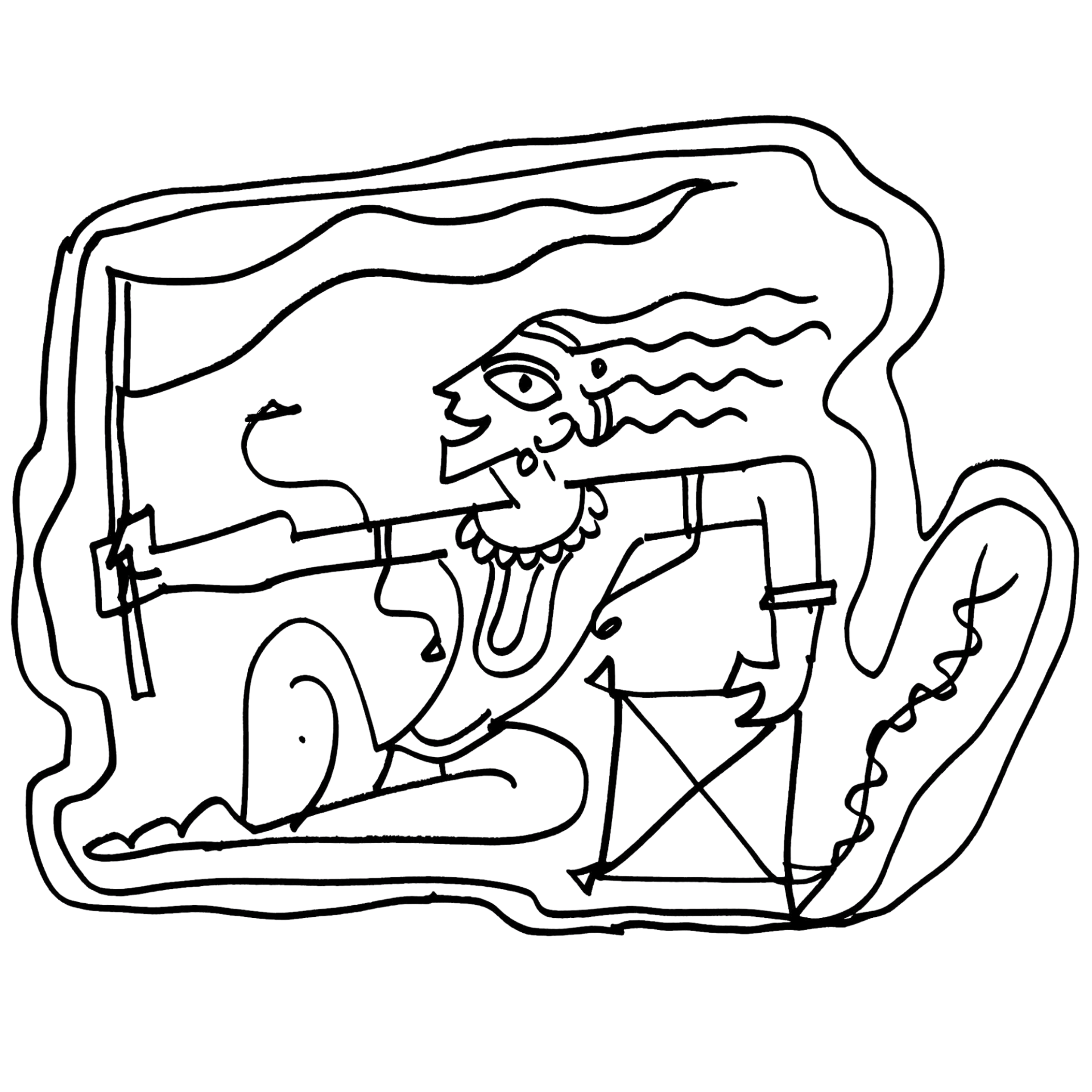
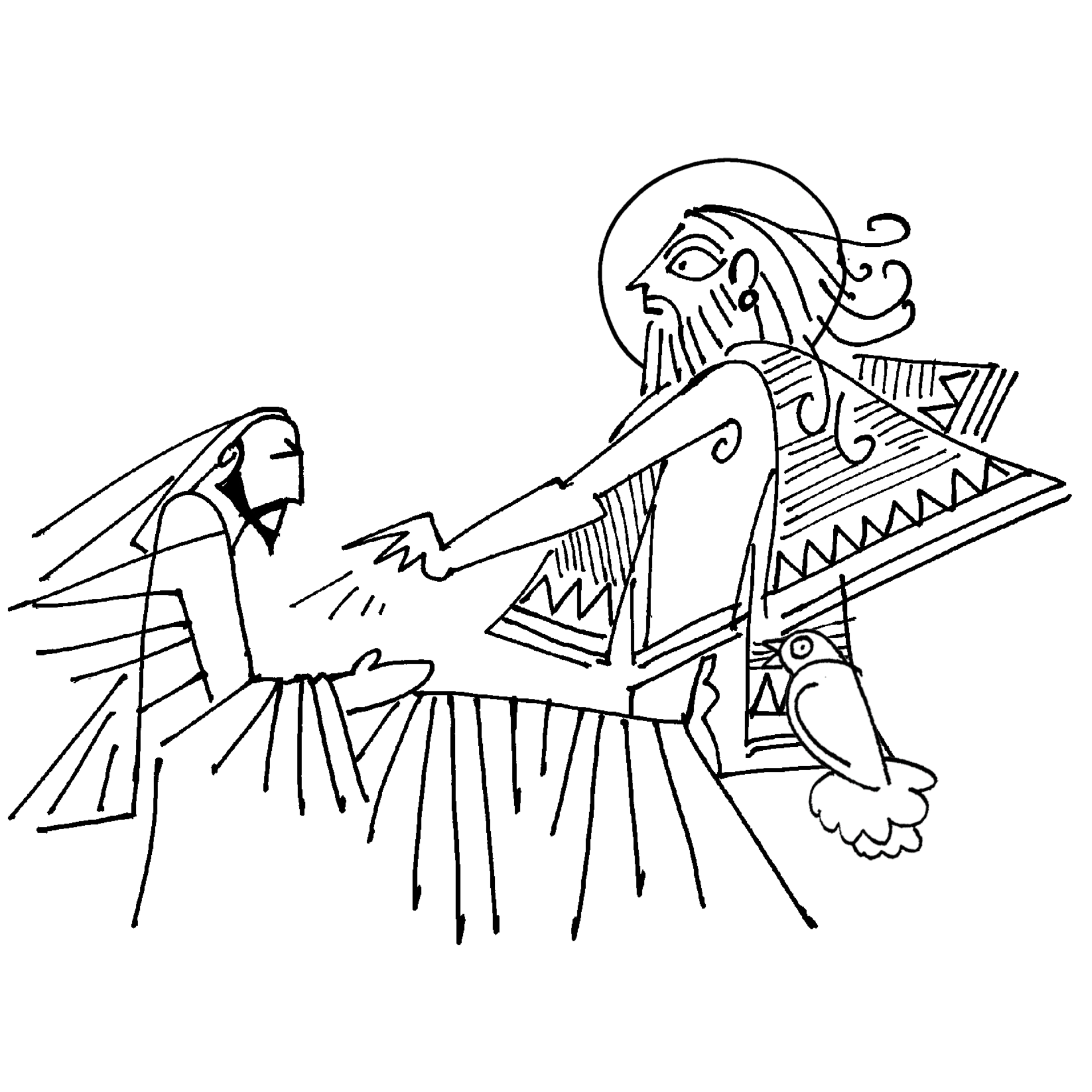
Hinduism, Buddhism and Jainism, ideas that emerged in the Indian subcontinent, insist that everything in this world is temporary. What comes eventually goes. The sun rises and sets. The seasons come and go. Vishnu awakens and then goes back to sleep. Humans are born and humans die. Cultures rise and fall. Empires rise and fall. Kings come and go. The rate of change is sometimes gentle and sometimes sudden, sometimes predictable and sometimes quite random. We cannot handle the random, the sudden, the unpredictable. That is when we compose poetry and talk philosophy. It helps us cope with disaster/death. Nature, however, does not care for our poetry or philosophy. She just rumbles along. That we see nature as feminine is also a function of human imagination.
It is imagination that has created nation-states. We believe wealth generated within one border cannot be shared with those beyond. So imagination creates rich nations and poor nations, happier nations and less happy nations. It is imagination that divides India into tri-loka: Bharat-loka, India-loka and NRI-loka, based on whether you don’t speak English, you speak English and you speak English with a non-Indian accent. For nature, all three are animals with vivid imagination who have used experience and language differently.
In the troll-wars on the Internet, every troll, on left or right or centre, or even the stoic non-troll, feels his opinions matter: it will save the world, India or Hinduism, or Islam or Christianity, or Marxism. But they really don’t. Opinions come and go, revolutions come and go, dictators come and go. Nature just rumbles along.
The indifference of Nature is terrifying. We want nature to care for us. Look at us as our mother or friend looks at us. We place ‘eyes’ on rocks and stupas and hope we are seen by the forces we cannot see, but we hope, exist. To them we offer sacrifices. Swear to be good. Offer blood, or not. Build temples, or not. Turn religious, or not. Convert, or not. Support, or not. Save, or not. Donate, or not. Nature does not care. She just rumbles along, our idioms and metaphors and beliefs notwithstanding.
Then the flowers bloom, and fruits burst forth, ready to feed the saint and the sinner, the rationalist, the troll and the seeker. If you can get to it, you may eat it. But eventually, you too will die. Your flesh will be food for another.