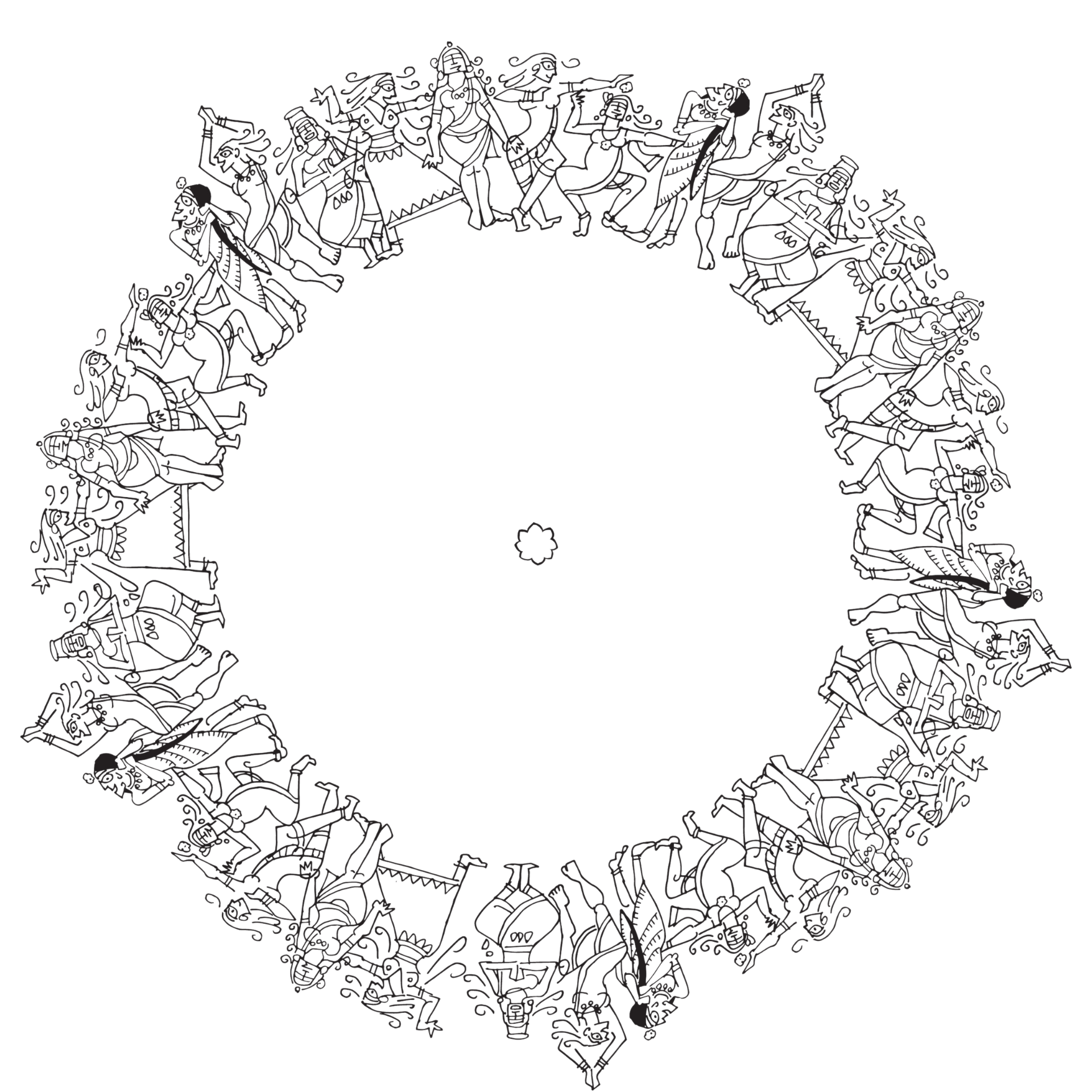
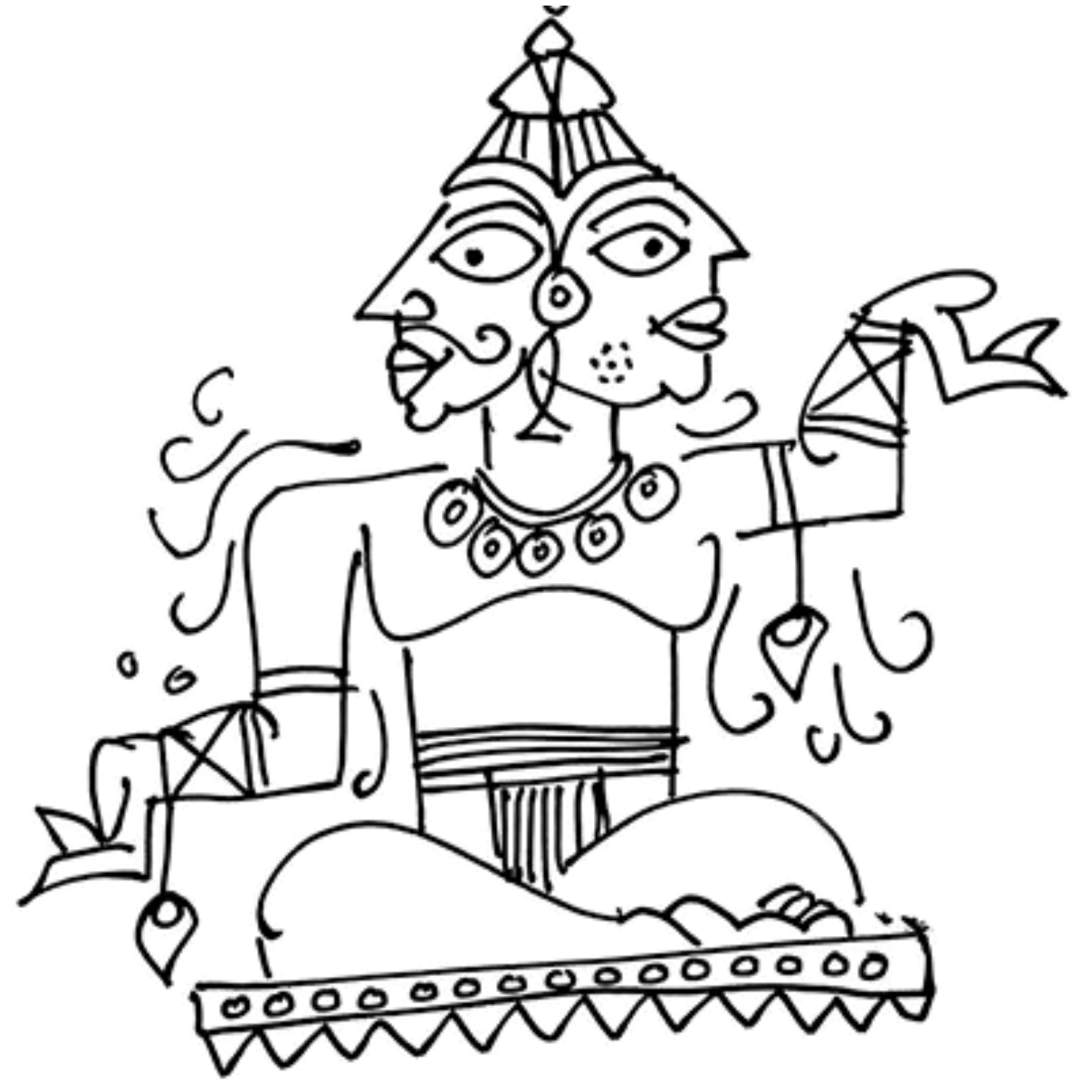
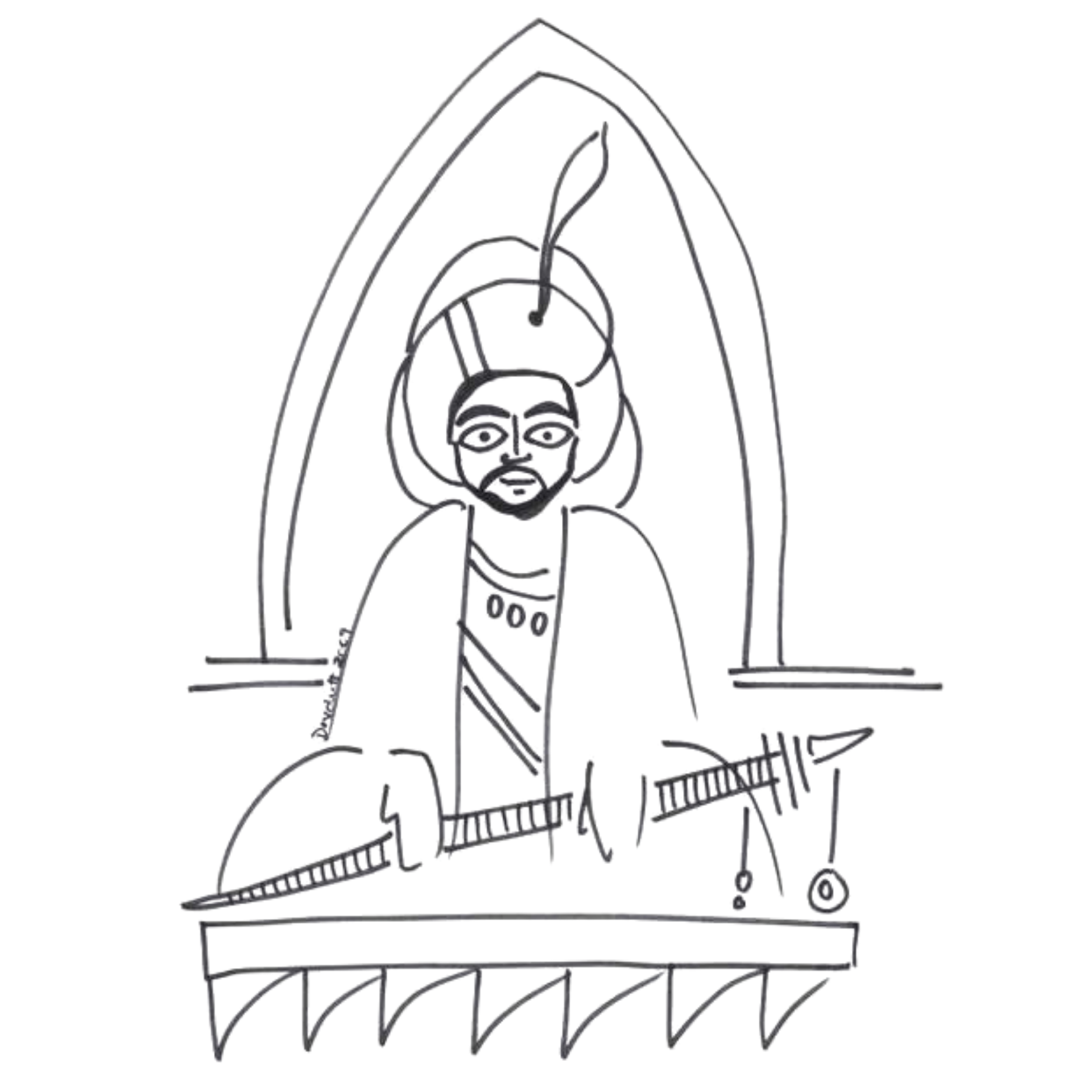
We already have a national anthem, ‘Jana Gana Mana’. Why then the ruckus over a national song, ‘Vande Mataram’? Could it have something to do with the caste of the respective poets, both Bengali Brahmins, but one lesser in ritual stature and the other higher?
Brahmins were brought to Bengal from Kannauj and Kashi by Hindu Sena kings who toppled Buddhist Pala kings in the 11th century. Bengal was then ruled first by Afghan, and later by Mughal, Muslims from the 12th century until British rule after the 18th century. During Muslim rule, Krittibasa translated the Ramayana into Bengali and Chaitanya Mahaprabhu danced through towns and villages, celebrating ecstatic devotion to Radha and Krishna. From the 16th century, the shifting course of the Padma river opened vast new tracts of agricultural land in eastern Bengal which were populated largely by marginal groups led by Muslim mystics known locally as pirs. Kulin Brahmin practiced Sati until British law stopped them.
For a long time, Bengal was a fluid world of Brahmin landlords, Muslim rulers, and Muslim peasants. Historians have noted that Bengal witnessed relatively few communal tensions during this long period, until the British census and administrative categories of the 19th century hardened religious identities that eventually culminated in the partition of Bengal in the 20th century. During this period, the Brahmin lobby split: those who imagined Bengal primarily as Hindu, and those who imagined it in broader, more inclusive terms.
Bankim Chandra Chattopadhyay was born in 1838 into a Rarhi Brahmin family of western Bengal. Rarhi Brahmins were ritually secure, high caste Brahmins. Rarhi means ‘red’ and refers to the local red soil, where epic heroes like Bhima killed demons like Kichak. Folk histories speak of Pandit Benimadhav Ray, a Rarhi Brahmin ancestor figure remembered as Pandit Dakat, who combined Sanskrit learning, Kali worship, and armed resistance against Afghan rulers.
Bankim was educated in colonial institutions and served in the British administration loyally. He held pro-British sentiments, accepting British rule as beneficial and viewing Muslims as oppressors in his writings, which complicated his legacy. He wrote from a position of cultural belonging. His novels Anandamath, Kapalkundala, and Durgeshnandini reworked the Hindu past into a source of pride, discipline, and moral certainty. In his imagination, the nation itself could be sacralised. ‘Vande Mataram’ appears in Anandamath as a hymn to the motherland. Its opening sense is evocative, “I bow to you, Mother, rich with waters, rich with crops, cooled by gentle winds, dark with trees.” The motherland is identified with Durga, Lakshmi, and Saraswati. The nation becomes a divine body that demands devotion and, if necessary, sacrifice.
‘Jana Gana Mana’, by contrast, was written by Rabindranath Tagore, born in 1861 into a Pirali Brahmin family of Calcutta. As recorded in Krishna Kripalani’s Tagore A Life, Pir Ali was a Brahmin who converted to Islam and rose as Dewan under the Muslim governor of Jessore. A cycle of mockery followed. His Hindu cousins joked that he was not a Muslim as he accidentally smelt a lemon during Ramazan and so broke the fast. Pir Ali retaliated by declaring that his cousins had smelt beef cooking and so had been polluted forever. What began as joking hardened into a social boycott. Pirali Brahmins struggled for centuries to arrange marriages and gain ritual acceptance. This marginality pushed the Tagores toward reformist spaces such as the Brahmo Samaj, where caste boundaries were questioned.
Additionally, the Tagores were deeply embedded in colonial capitalism. Dwarkanath Tagore, Rabindranath’s grandfather, was a pioneering entrepreneur who partnered with British firms in coal mining. Rabindranath remained uneasy with industrial capitalism. His creativity flowed not from ritual security but from ethical discomfort, both with caste exclusion and with extractive capitalism. ‘Jana Gana Mana’ reflects this worldview. Its opening sense is not of a mother demanding worship, but of a guiding principle: you are the ruler of the minds of all people, the dispenser of destiny. Regions (includes Sindh but excludes Northeast India), rivers, and people are named as participants in a shared movement.
While Bankim came from a respected family, his wealth came from his government job and fame came from the success of his writings. By contrast Tagore came from affluence, but from a social background that was ritually less pure. So we find that Bankim’s song has roots in temple-centred, goddess-oriented Brahminism that is comfortable with hierarchy and sanctified violence. By contrast, Tagore’s song has uneasy roots in reformist and humanist ideals, shaped by both caste stigma and capitalist entanglement.
The Brahmin poet, whose ancestors fought Muslim rulers, asks people to kneel before a mother-goddess. The Brahmin poet, with links to a Muslim ancestry, asks people to walk together as a chorus. The current conflict beneath these two songs is as much about patriotism as it is about caste and about what kind of Brahminism that India wishes to follow.