Published in the Speaking Tree, April 08, 2012.
In mythologies across the world there are many stories of lovelorn widows weeping over their dead husbands, very few of lovelorn widowers who weep for their wives. Here are three stories, one from Japan, another from Greece and one from India. All have a similar theme: of a husband trying to get his dead wife back to life. Only one succeeds, after he makes a sacrifice.
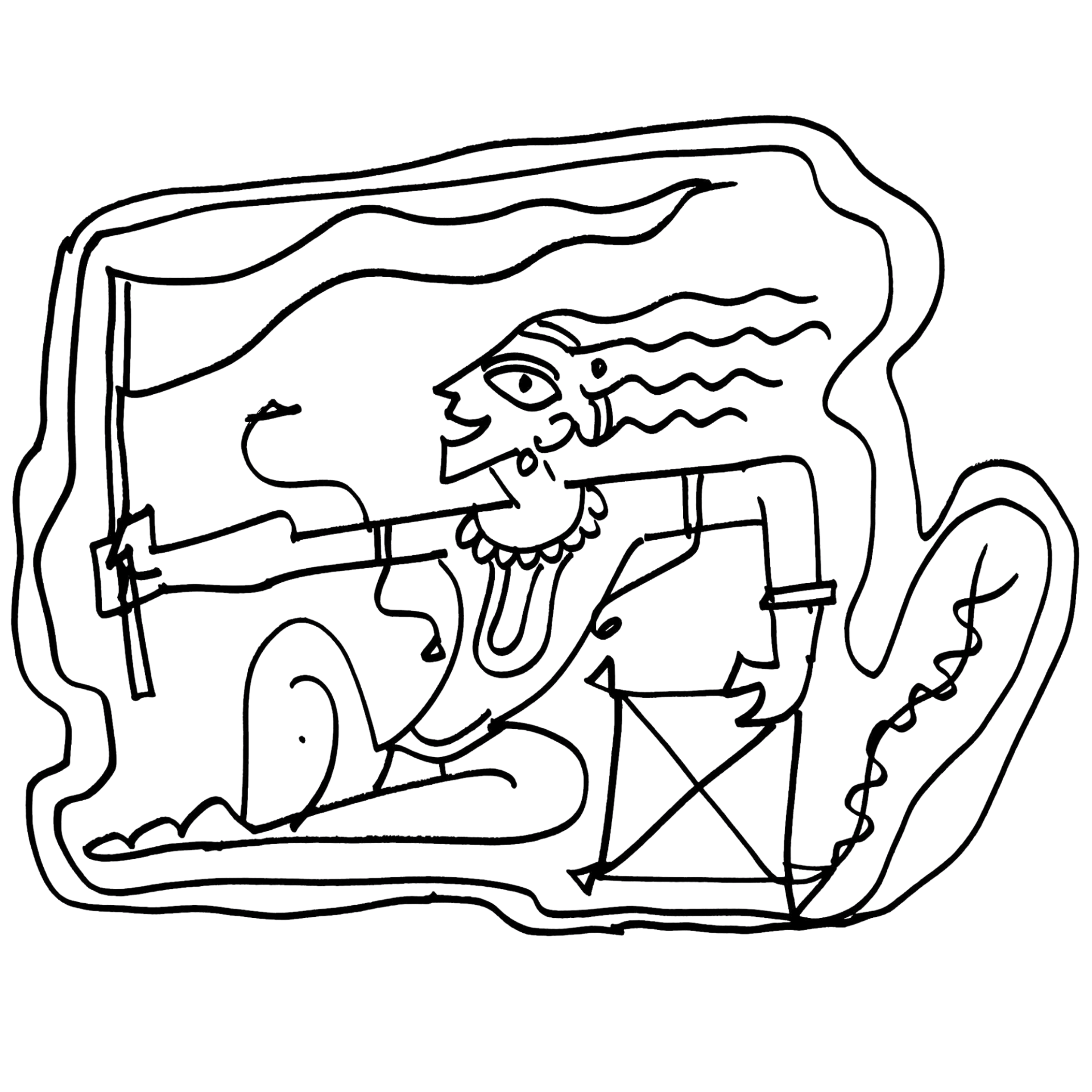
Japanese mythology tells us the story of the primal human couple, Izanagi, the man, and Izanami, the woman. They were responsible for churning out islands from the sea which they populated with their children, the many deities who populate the Japanese countryside. Izanami died while bearing the fire-god and Izanagi was so distraught at her loss that he was determined to bring her back. So he went to Yomi, the shadowy land of death, to fetch his wife. Unfortunately, she had eaten the food of Yomi and so could never return. Izanagi lit a torch, desperate to see his wife. To his horror, he found that her once beautiful body had decayed and was covered with maggots. He ran out of the underworld in fear, chased by Izanami who also missed her husband and wanted him to stay back. Izanagi finally reached earth and covered the entrance of the underworld with a huge boulder. His angry wife yelled, “I will kill a 1000 living creatures each day.” Izanagi yelled back, “Then I will create 1500 new lives each day.” So the story ends in eternal separation and bitterness.
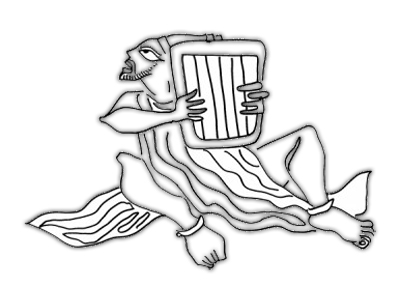
Greek mythology tells us of the musician Orpheus who fell in love with a nymph called Eurydice who died of a snakebite, breaking his heart. Orpheus plucked the strings of his harp and sang of his loss. The song and the music were so mournful that the gods wept and showed him the way to Hades, the land of the dead, to reunite him with his beloved. There his songs moved even the unfeeling heart of Pluto, the ruler of the dead, who allowed Orpheus to take his wife back to earth. “But on one condition: you must walk in front and she will follow behind you and you must not look back until she has reached the land of the living.” Orpheus could not believe his luck and he ran out towards the land of the living secure in the knowledge that Eurydice followed him. As soon as he reached the land of the living, without waiting to give his wife enough time to catch up, an excited Orpheus turned back to look at his wife, only to see her disappearing like the mist, and returning to the land of the dead once again. So the story ends with separation and melancholy.
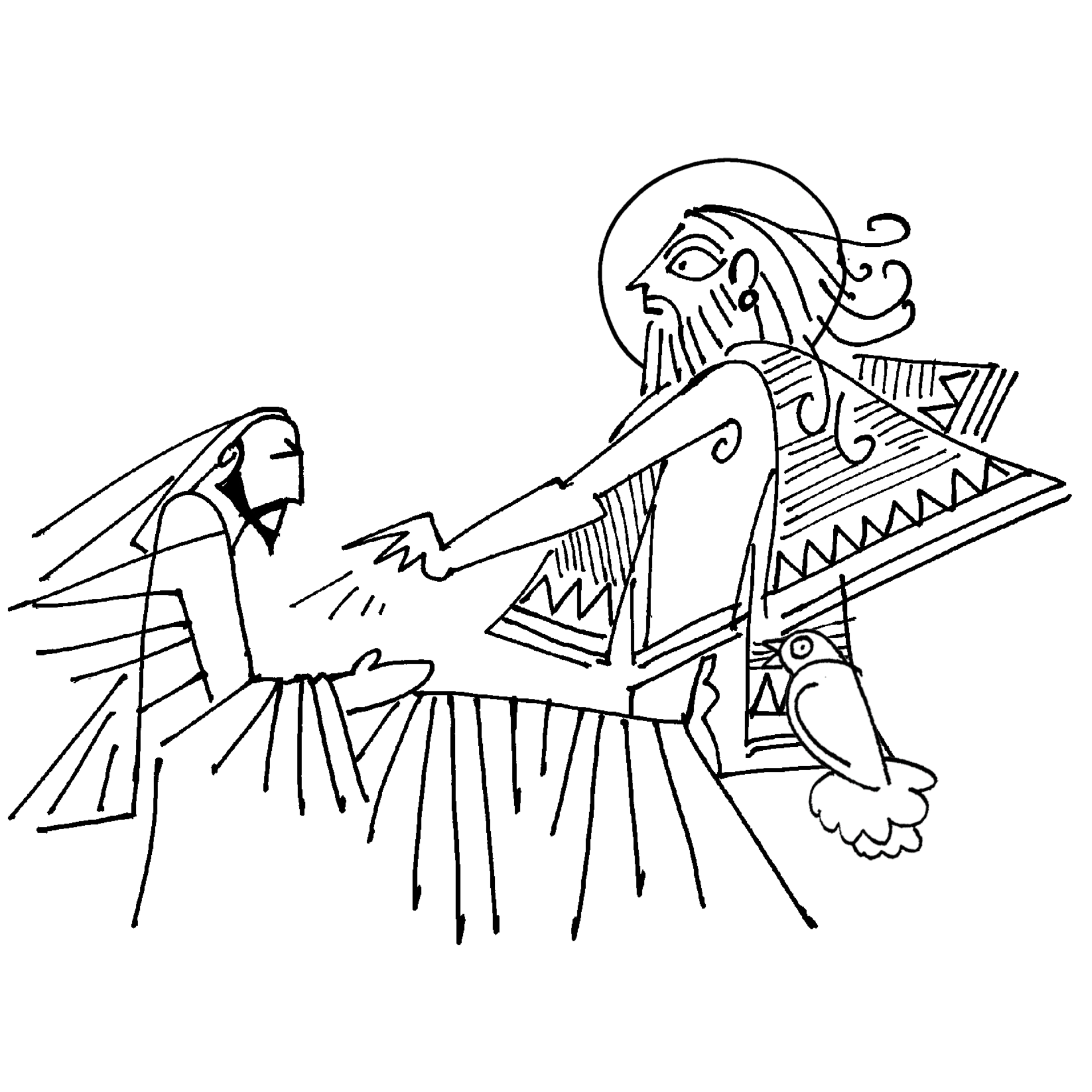
Hindu mythology tells us the story of Ruru and his wife Priyamvada who were madly in love. But then one day, Priyamvada is bitten by a snake and she dies. Ruru cannot bear the idea of a life without his wife. He invokes Yama, god of death, and begs him to let her go. Yama refuses unless he gets something in exchange. “Take half of the rest of my life and give it to her,” he says. This is the only case in Hindu mythology, maybe even world mythology, of a man sacrificing himself to save his beloved. Yama agrees reluctantly. And so Priyamvada is resurrected; she returns and lives in the land of the living as long as her husband does. Together they enjoy each other’s company until it is time to die.