Published on 5th October, 2018, in India Today.
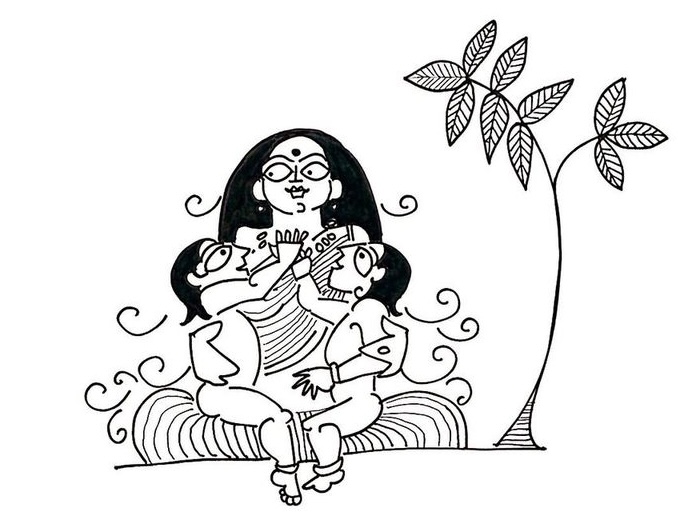
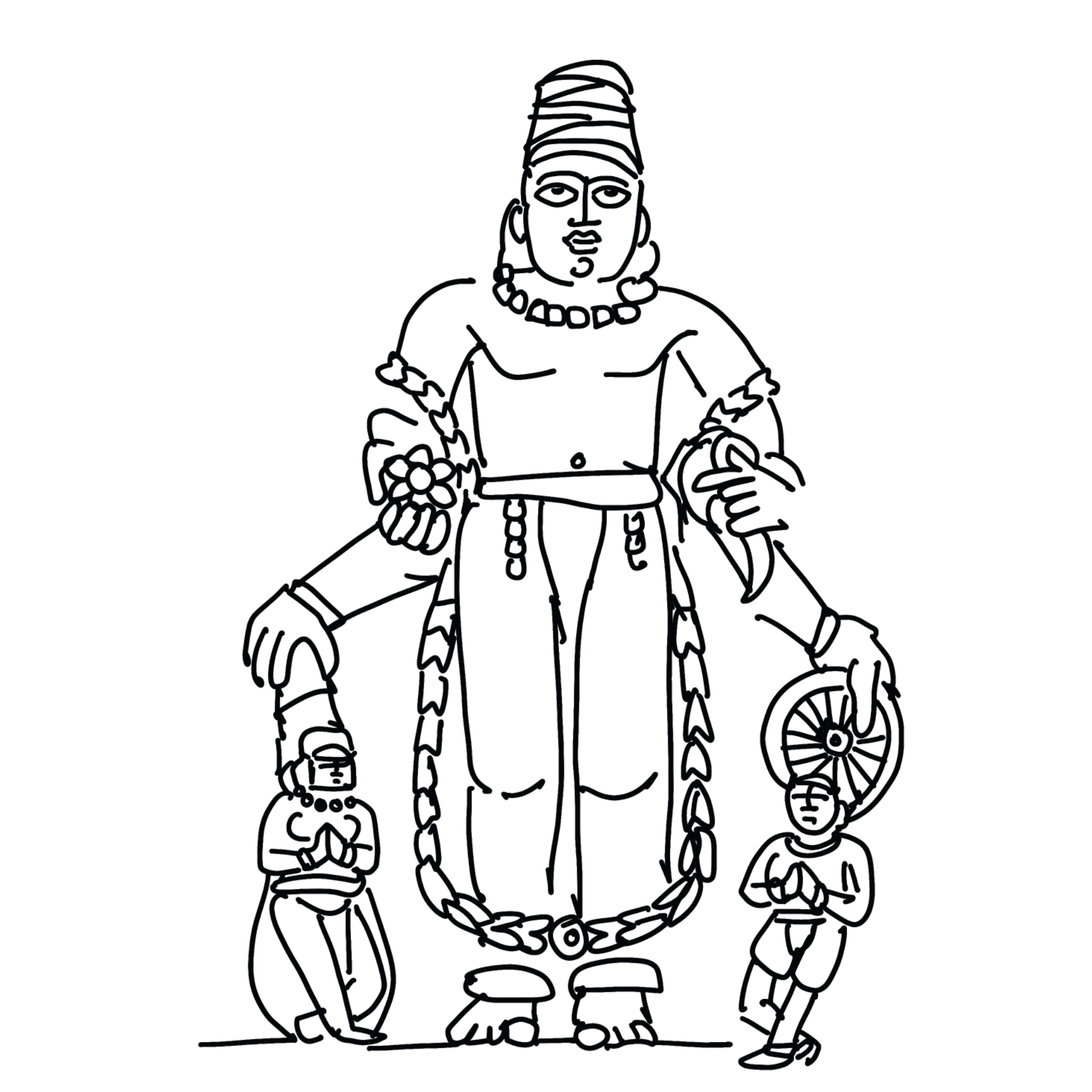
In Hinduism, god cannot be divine without the goddess. There is no Vishnu without Lakshmi. No Shiva without Shakti. No Brahma without Saraswati. But it is a mystery for many why Hindus, for whom divinity is both male and female, treat women so badly. Aren’t women goddesses? Why are they then considered unclean when they menstruate? Why are daughters considered a burden, denied education and resources, sidelined in favour of sons?
The question we have to ask is: are they treated better or worse in religions where god is avowedly male, where his messengers are male. Take the Bible, for example, where we learn that every daughter of Eve is ‘punished’ with the pain of childbirth and a dependent status for submitting to the devil in the garden of Eden. In the Quran, there is no reference to any women by name with the sole exception of Mariam, the virgin mother of Jesus.
All religions, it would seem, are inherently patriarchal. Some feminist anthropologists are of the opinion that until the concept of property rights emerged, the world was matriarchal, based on a mother goddess, who is the earth. But property rights gave rise to inheritance rights and so fatherhood became important. With that the female divine lost her privileged position and was overshadowed by the father god.
Not so in Hindu mythology. Lakshmi may be visualised as massaging Vishnu’s feet, but she will not be disrespected. She can leave Vaikuntha if she is insulted and Vishnu has to work hard to bring her back. Shakti stands on an equal footing to Shiva, conversing with him on matters of Veda and Tantra, a conversation overheard by sages, who transmit this wisdom to humanity. Radha dances with Krishna, but she is not his wife. Sita, who performs the agni pariksha, to prove her chastity, refuses to return to Ayodhya, after being cast out of the palace. Of course, a feminist reading of Hindu mythology will find codes that show the goddess, though present, is inferior to god and even denied agency.
Perhaps the reason for this is that we take Hindu and especially Puranic mythology literally. We assume Lakshmi and Durga embody women, rather than ideas. In the mythological vocabulary, the male form is used to embody the mind and the female form to embody matter. The unenlightened dependent mind is Brahma, the enlightened independent mind is Shiva, and the enlightened dependable mind is Vishnu.
The Ramayana and Mahabharata, which deal with mortal characters, reflect social mores in different periods of history. In them we realise that the ancients thought of women as far more sexually aggressive and demanding. They had to be controlled through matrimony and maternity for the sake of social order. Today, we still believe that women who display sexual confidence are not domesticated enough, that they are wild spirits who need to be tamed. It reveals the continuing hold of ancient ideas on modern times.