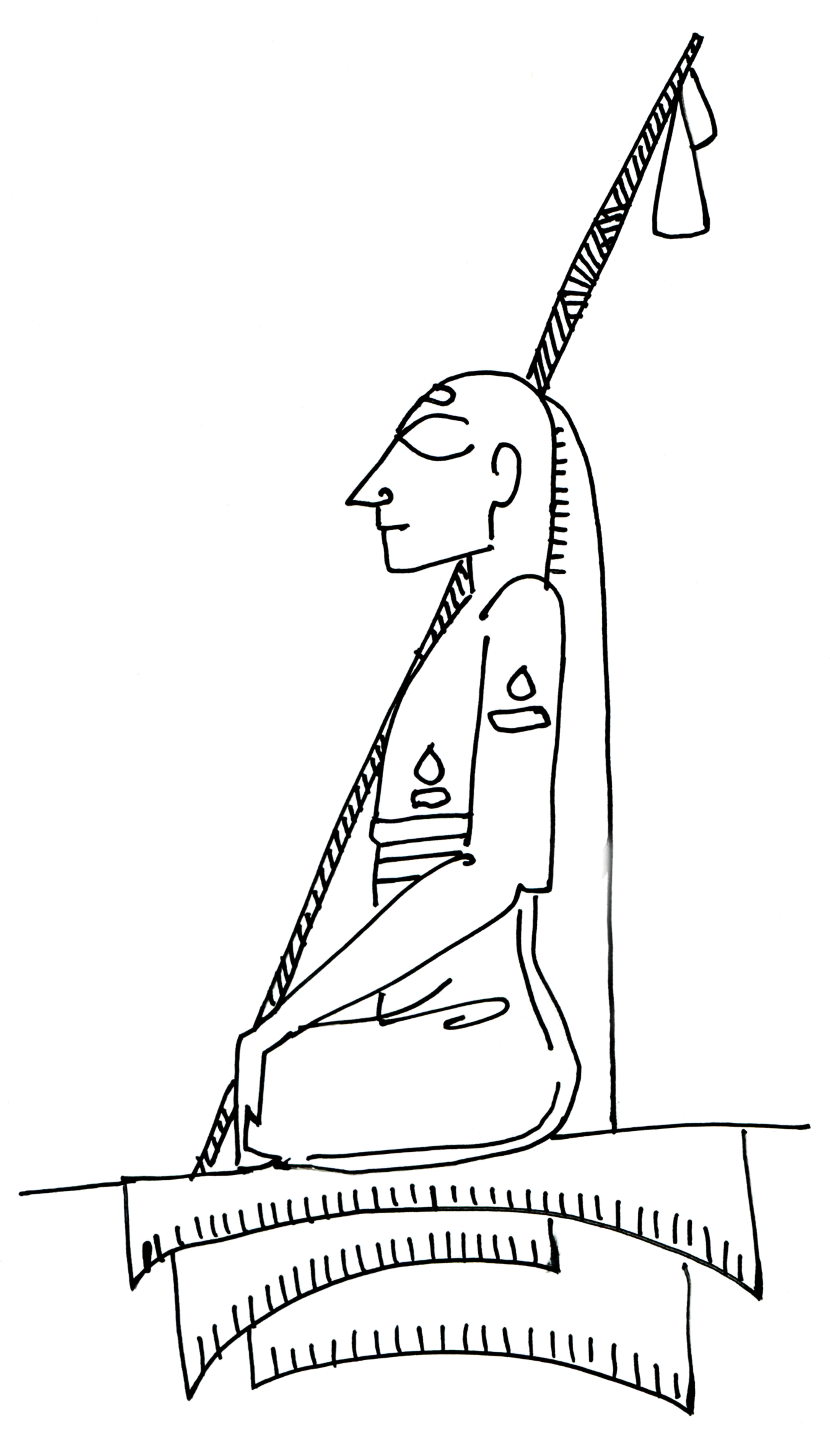
As a child, I read the Amar Chitra Katha story of Adi Shankaracharya. It told me how he was born in a family in Kerala and became a monk against his mother’s wishes. He travelled around India defeating Buddhists, in fierce, intellectual debates. As an adult, I learned that this event probably happened in the early half of the 8th century. But the stories came from much later sources, perhaps 13th and 14th centuries in the Digvijayams. These are hagiographies, composed by monastic orders that lived in and around the Vijayanagara Empire. In time, I realised these stories can be contested.
The Kanchi Math claims that Shankaracharya lived even before the Buddha, 2,500 years ago. This claim is based on their chronicles, which trace their lineage to that period. He was born in the 14th year of King Vikramaditya. They reject the claim that Vikramaditya represents a Chalukyan king who lived in the 7th or 8th Century. They argue that the 8th Century birth of Shankaracharya is Western scholarship trying to locate him at a later age.
The 16th century Buddhist historian Taranath wrote the history of Buddhism. He claims that Buddhist scholar, Dharma Keerthi, defeated Shankaracharya, several times. Finally, Shankaracharya decided to end his life by drowning himself in the Ganga, even though he was requested not to do so. Shankaracharya was reborn, in a family of Vedic scholars. He, once again, lost to Dharma Keerthi and once again, killed himself. This is contrary to the popular Hindu belief that Shankaracharya defeated Buddhist scholars in debate.
In Nepal, there are chronicles, which say that Shankaracharya in his early lives had defeated many Buddhists, who then took refuge in Nepal. When Shankaracharya came to debate with them in Nepal, many of the scholars ran away. Shankaracharya forced the Buddhist monks and nuns to get married and adopt the Hindu way of life. Thus, the Nepal chronicles are a total opposite of the Tibetan chronicles of Taranath, they tell you complete opposite stories.
Finally, in the 17th century, the local history of Kerala, Kerelolpathi came into being. This states that Shankaracharya established the Brahmanical order in Kerala. This order included the caste systems and proper Brahmanical conduct. But this story is even more interesting. This scripture claims that his mother was a widow who was accused of infidelity, and cast out. But by the grace of Lord Shiva, she was saved, and he was born. He grew to be a great scholar. But, since his mother was accused of infidelity, the Brahmins refused to cremate her body when she died. So, he was forced to do it himself.
With all these different sources, one wonders what the truth about Shankaracharya is. There are many hymns praising Shiva, Vishnu and Devi that are attributed to Shankaracharya. But, as per many scholars, he probably belongs to the old Vedanta school that was uncomfortable with temple worship.
In Guruvayur, there is a story of how, one day, Shankaracharya was flying through the air. He was brought down to earth and forced to bow before the temple deity, which was making rounds on its elephant. But the thing is, Shankaracharya lived in the 8th century and the Guruvayur temple was built several centuries later. This disparity between local lore and history makes the job of a historian very difficult. And it seems only politicians know what correct history should be.