Regional languages are packed with delightful retellings of the Ramayana that include stories not found in the oldest documents
Valmiki composed the Ramayana a long time ago. We don’t know when. Archaeologists place the Vedic period to roughly 1000 BCE in the Gangetic valley. But the Sanskrit documents retelling the story are only 2,000 years old, suggesting a long period of oral storytelling. Fifteen hundred years ago, the Sanskrit epic came to be associated with kingship and we find the royal retellings such as Ramakien and Ramakirti as far as South East Asia where the story travelled with sea merchants.
Valmiki composed the Ramayana a long time ago. We don’t know when. Archaeologists place the Vedic period to roughly 1000 BCE in the Gangetic valley. But the Sanskrit documents retelling the story are only 2,000 years old, suggesting a long period of oral storytelling. Fifteen hundred years ago, the Sanskrit epic came to be associated with kingship and we find the royal retellings such as Ramakien and Ramakirti as far as South East Asia where the story travelled with sea merchants.
“Ramanand Sagar’s Ramayana is based on the Awadhi retelling by Tulsidas, but it is not the ‘National’ Ramayana ”
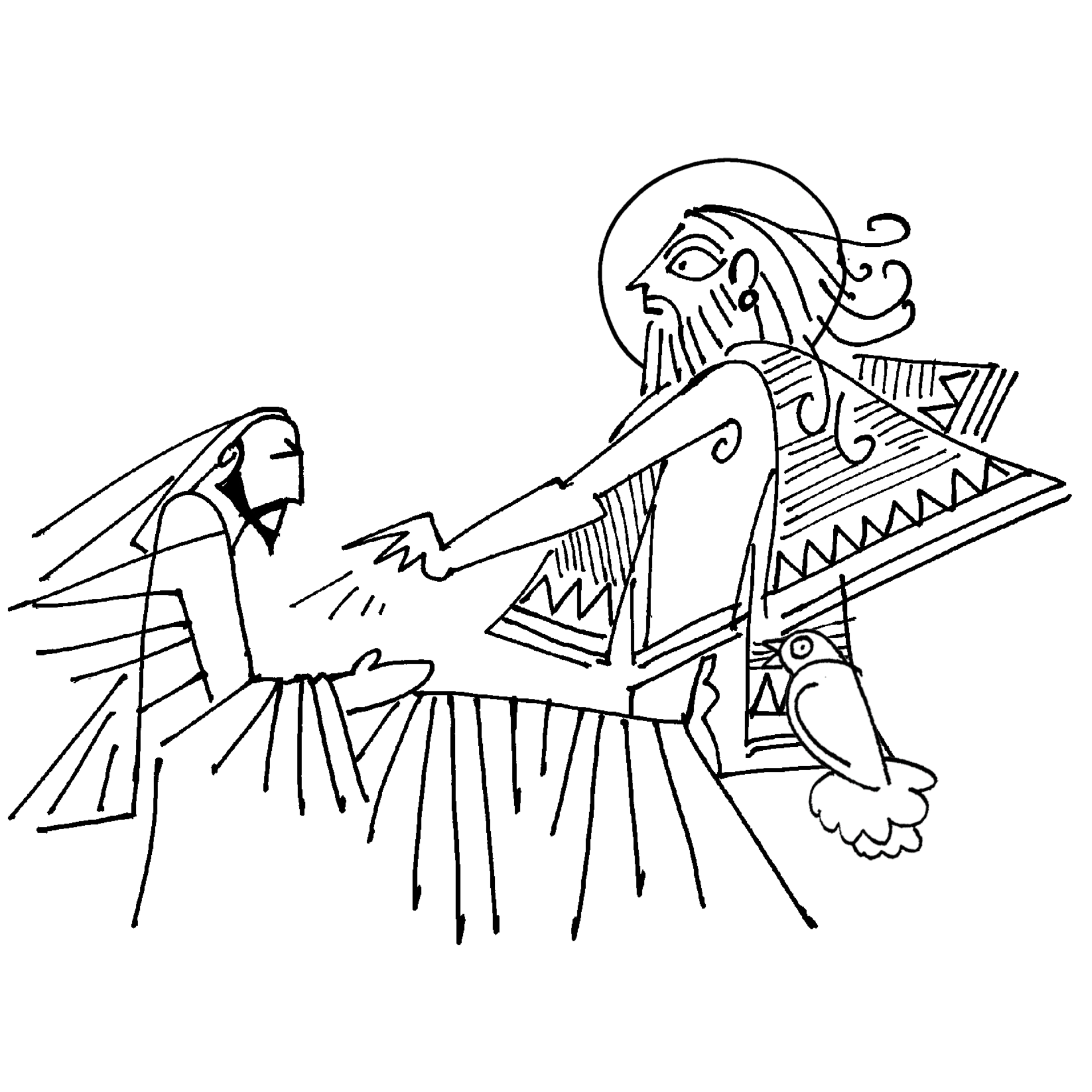
When a rooster cleared the air about The abduction of Sita by Ravana, Ram offered him a golden crown.
By helping the monkeys locate Sita with the help of his son, Sampati’s wings started to grow again.
Ram eats the mango with bite marks, and not the one without bite marks, thus rejecting caste purity rules.
If Ravana returns Sita,” Ram says, “I’ll still keep my promise and make Vibhishana king, but not of Ayodhya instead of Lanka”
Even today, Odiya fishermen refer to jelly fish as Rabana-chatta, or Ravana’s umbrellas.