
It’s great fun to read Ramayan by politicians and activists. Right-wing Hindutva folks will go out of their way to be apologists as to why the mutilation of the nose of a sexually-demanding woman such as Surpanakha by the hero brothers is justified, and in line with dharma. Left-wing Liberal folks will insist that the problem is patriarchy and it is perfectly fine for a woman to demand sexual gratification from married men and ignore their lack of consent.
To reinforce the patriarchal theme of Ramayan, the Left will keep pointing to the story of Shambuk which is found in the Uttar Ramayana. The Right Wing hates the story and insists that the entire Uttar Ramayana, that also describes the abandonment of Sita by Ram, is an interpolation.
The story goes that a low-caste man called Shambuk wanted to become an ascetic. But as per Narada in the Treta Yug, a shudra is not allowed to become an ascetic. Thus, Ram is obliged to behead the shudra, who, instead of performing his caste duties, chooses to renounce them. The story is seen as clear evidence of justification of caste oppression.
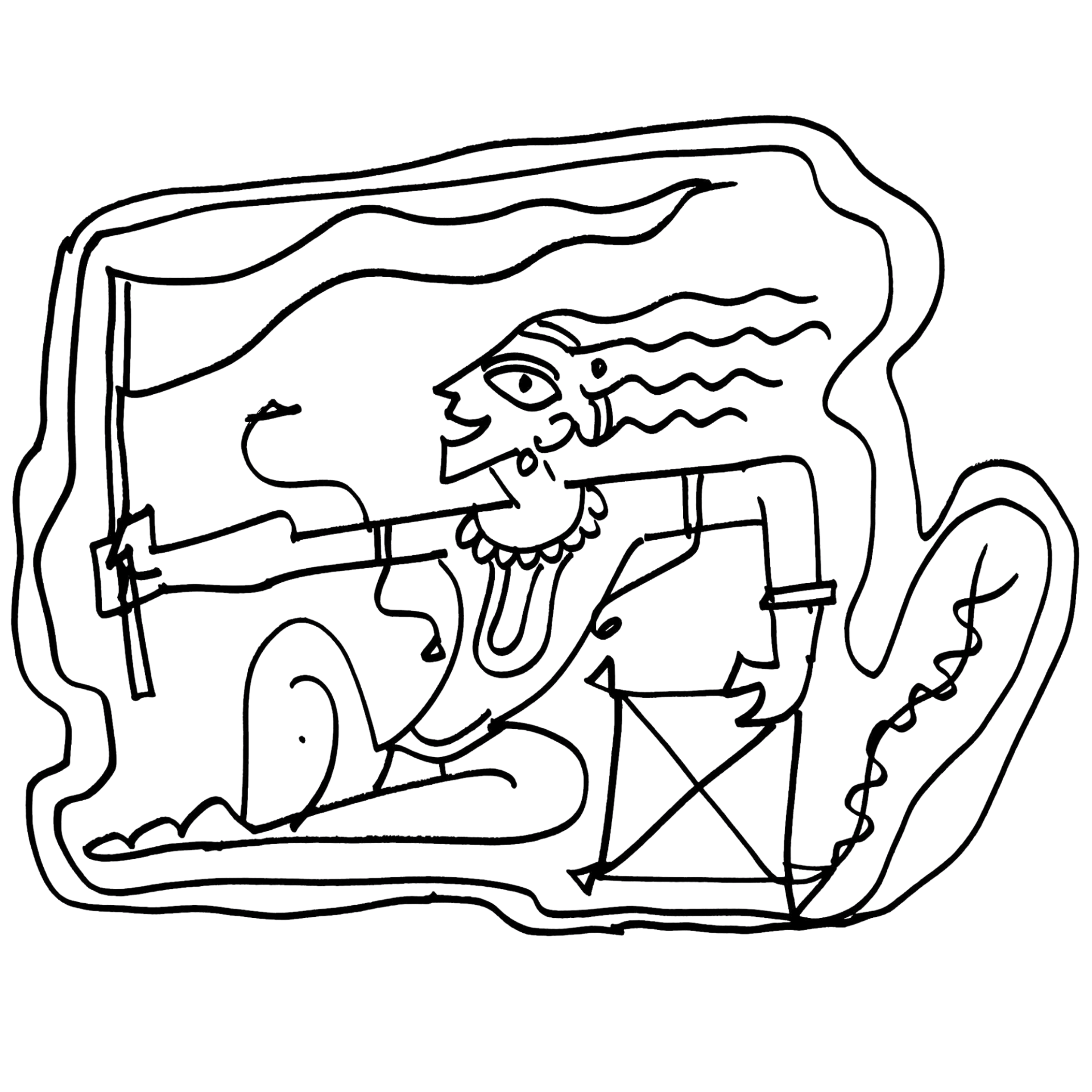
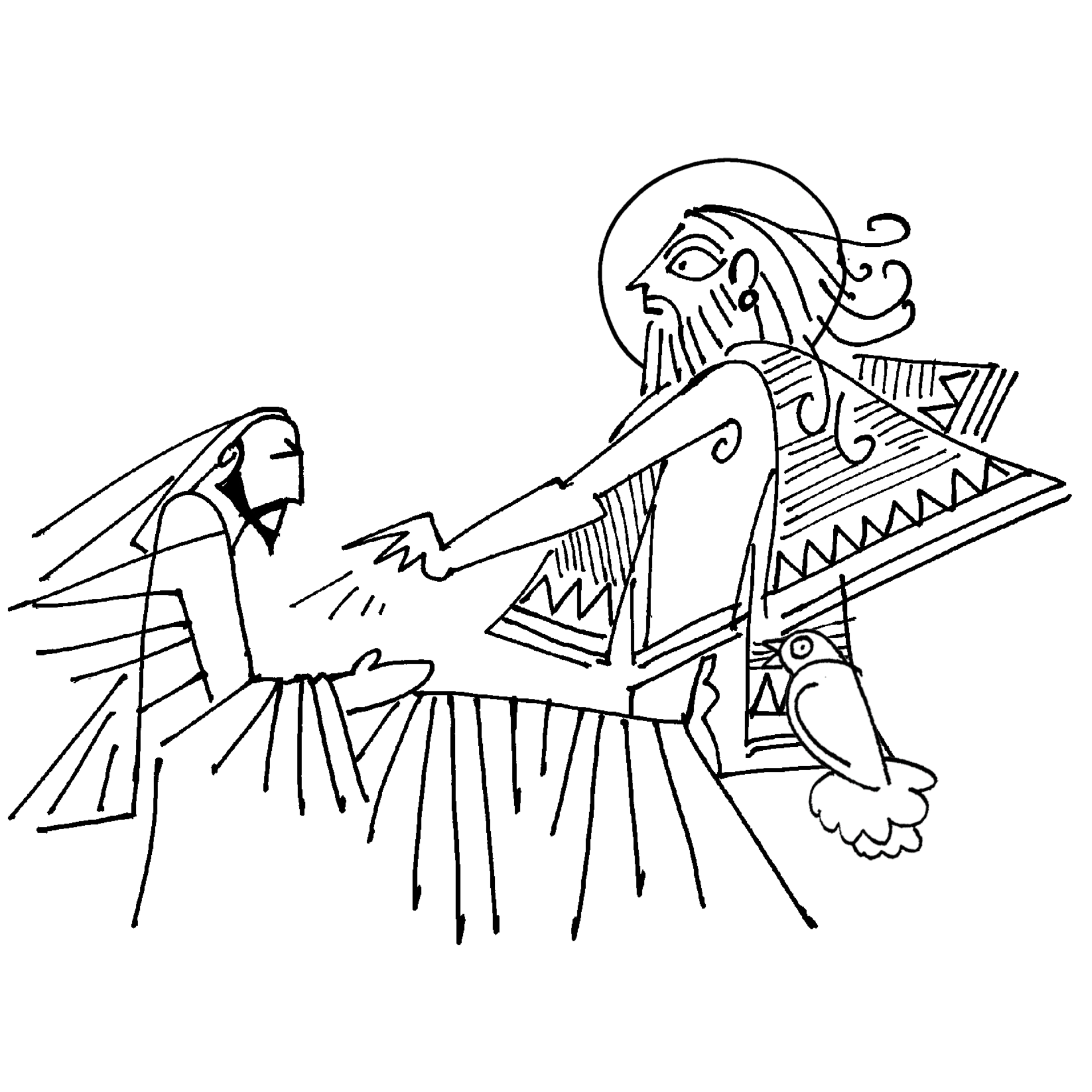
But, the story of Shambuka in Jain literature is different. In Jain literature, Shambuka is Surpanakha’s son. The same idea is found in the shadow puppetry performance of South and Southeast Asia.
The story goes that once Lakshman was walking in a forest, when he found a sword floating in the air. He took it and swung it to cut the bamboo trees around him. Doing so, he accidentally killed an ascetic called Shambuka. He did not know that the sword had been conjured by Shambuka who was the son of Surpanakha. Shambuka conjured up the sword to bring about the death of his uncle, Ravana who had killed his father. Surpanakha was devastated at the death of her son and she went looking for his killer. But when she saw Ram and Lakshman, she fell in love with them and wanted to marry them. But when they rebuffed her advances, she asked her brother and husband to avenge the death of her son.
Here there is no caste element in the story. Surpanakha’s story becomes more complicated. She wants to kill Ravana who killed her husband. She wants to kill Lakshman who killed her son. So to get the two to kill each other, she becomes the “sexually demanding woman” and gets herself mutilated. The men are pawns in a woman’s game. She has no choice—she knows in patriarchy there is no justice for women.
When reading any epic, it is important to know who is telling the story. What is a myth, and what is a mythological fiction? A myth establishes a cultural truth. Hinduism’s cultural truth is that Ram, the king, was Vishnu on earth, and he established dharma on earth by following rules complementing Krishna, the cowherd, who established dharma on earth by breaking rules. This is established by Puranic literature, considered the fifth Veda, and in devotional poetry. But in mythological fiction of the 20th and 21st centuries, writers become lawyers and judges and based on their ideology decide if Ram or Surpanakha should be hero, villain or victim.