Published in Devlok, Sunday Midday on April 03, 2011.
We live in times when men and women dream of having a body without fat. Female models in fashion shows become famous when they look thin and starved. Male models and Bollywood heroes become famous because of musculature, especially a six-pack abdomen. A far cry from the traditional notions of beauty.
To be fat, in ancient and medieval times, was a sign of affluence, that one had enough to eat. Musculature was associated with being a laborer, thinness with poverty. Hermits could be thin, servants could have muscles, but the beautiful had to have soft rounded bodies and the rich had to have potbellies.
The modern notions of male beauty have its roots in Greek sculpture where heroes were shown with well-toned bodies, each muscle depicting artistic precision. These have spread via media to our homes. Bollywood heroes today therefore emulate Greek gods. Even modern poster paintings of Hanuman and Ram and Shiva show them with musculature befitting a body builder, very different from the soft delicate features that Raja Ravi Verma painted.
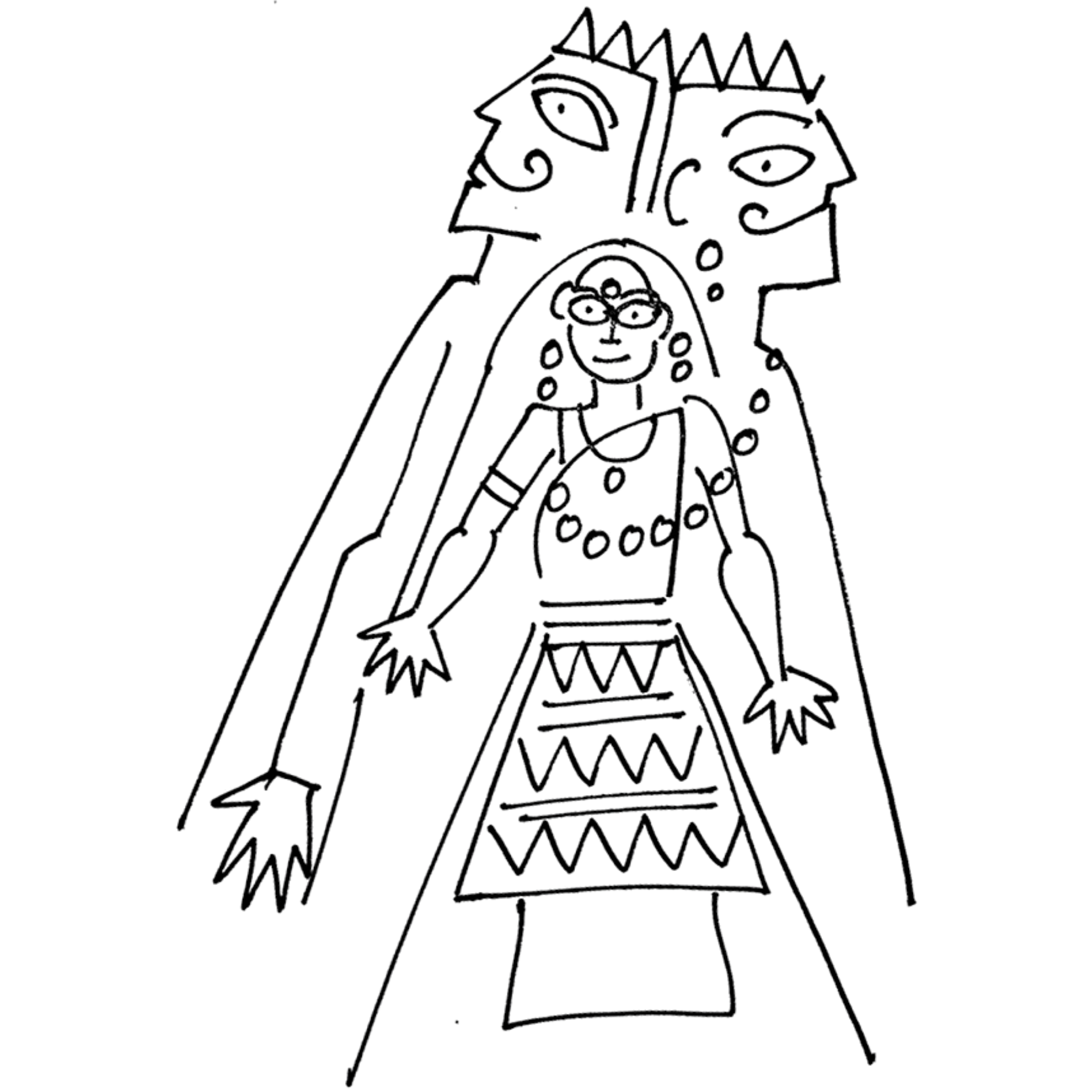
In sacred songs, Hindu goddesses are described as having ‘deep navels’, ‘full breasts’ and multiple ‘love-handles’ on either side. To have a bony frame was the sign of an old witch and associated with fearsome Tantrik goddesses like Chandi and Dhumvati. Temple images show goddesses as being of ample proportions, full but not fat. Modern notions of feminine beauty, is also influenced by Western ideas, where softness has been replaced by firmness, as the feminist movement saw the former as a sign of weakness.
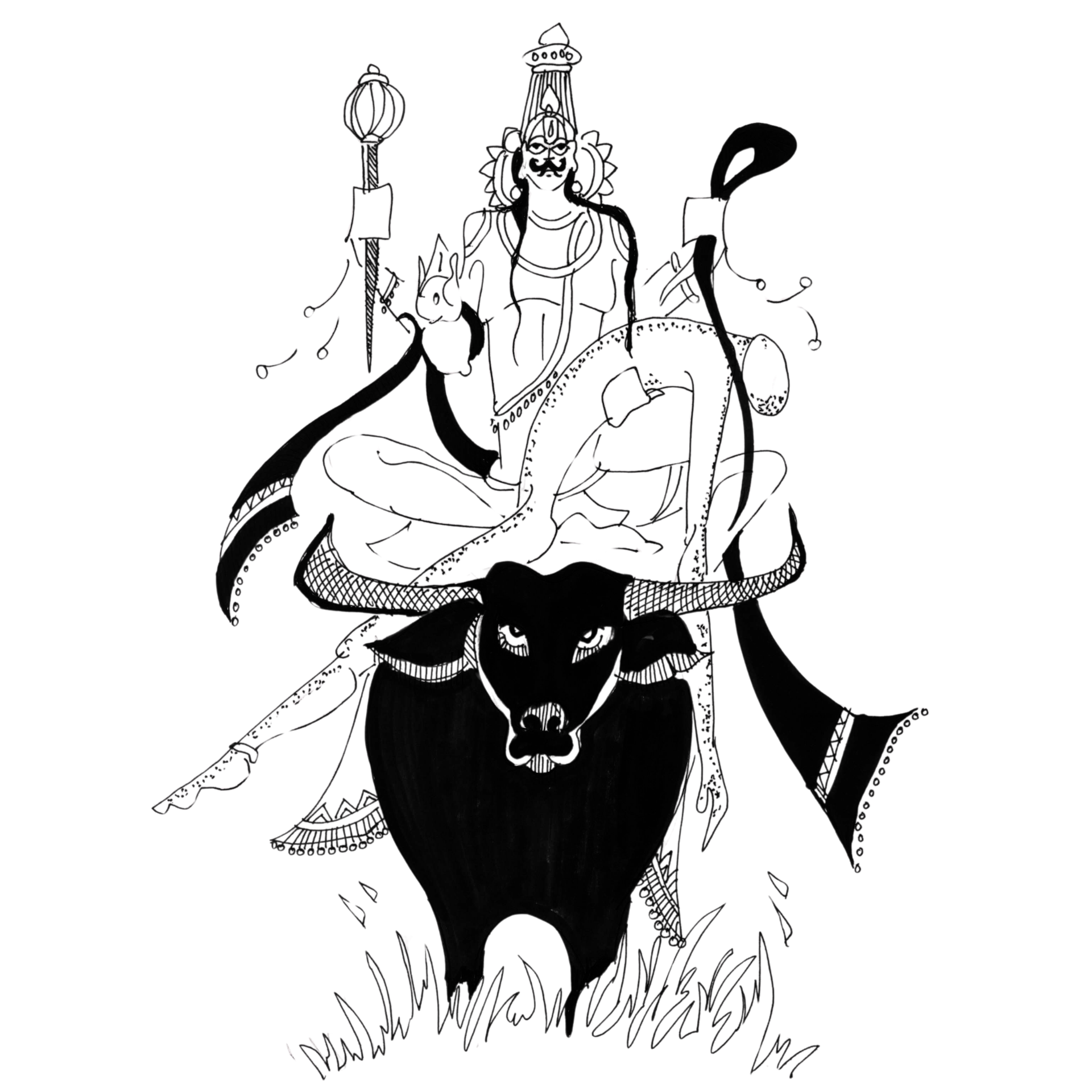
Kubera, treasurer of the gods, is visualized as a potbellied deity. His protruding stomach embodies a bag that is bursting with money. In traditional India, to have a potbelly was seen as a sign of prosperity. Men and women who did not become fat after marriage were seen as belonging to a loveless or unsuccessful marriage where there was not enough food to feed. Today, a potbelly is seen as a sign of disease, the accumulation of abdominal fat that leads to heart disease.
This medicalization of the potbelly has hurt Ganesha the most. Ganesha, the most popular Hindu deity of the 21st century, is lambodara, the one with a huge belly. It is the container of wealth. He is the god who removes all scarcity and provides food for all. He is associated with vegetation and wealth. His favorite sweet, the modaka, is shaped like a moneybag. His belly represents a warehouse of a farmer that is full of grain. Around the belly is the snake that stops rats from stealing the grain.
Increasingly, artists are visualizing him with muscles and a flat abdomen, in keeping with modern notions of beauty. It is ironical, that symbols associated with poverty in traditional India are becoming images of health and beauty in modern times. Softness and roundness is acceptable only in comedians and villains, while heroes and heroines tend to be more firm and sharp. Perhaps this shift indicates a shift towards a culture that is less gentle and more aggressive — celebrating the gym more than the dining table, muscle more than fat, protein more than sweets.